
Introduction
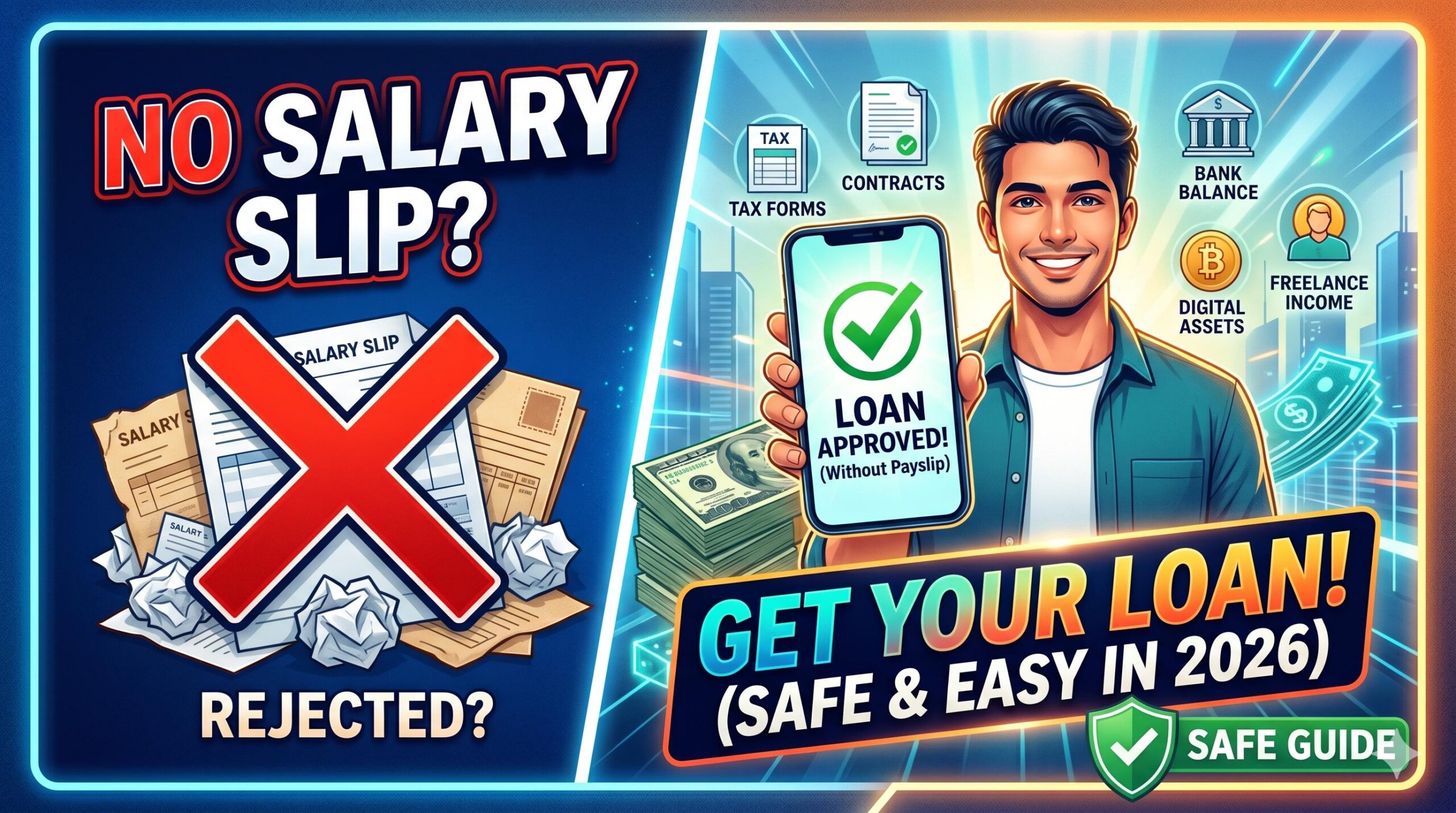
For many small business owners, students, and workers in the unorganized sector, a formal salary slip is not part of their monthly routine. However, the need for financial assistance is universal. This is where the concept of a “Loan without salary slip 2026” becomes relevant. In simple terms, this refers to a personal or business loan that you can apply for and potentially receive by providing alternative proofs of income, instead of a standard salary slip issued by an employer. This type of loan product is expected to continue evolving in 2026, utilizing technology and alternative data for eligibility assessment.

While the prospect of accessing a loan without a formal salary slip may seem helpful, it is crucial to understand that it comes with significant financial responsibility. Your financial safety is paramount. Engaging with this type of loan without proper caution can lead to significant financial losses and data security issues. Let’s delve deeper into how this works, the inherent risks, and how you can manage your finances wisely.
Disclaimer: This article is for educational purposes only. It does not constitute professional financial advice. Bachatbook.in is a financial literacy platform; we do not provide, endorse, or promote any loan products or lenders.
Table of Contents
The Landscape of Loans without Salary Slips in 2026

By 2026, the lending ecosystem in India will likely be even more digitized than it is today. Fintech lenders, non-banking financial companies (NBFCs), and digital-first banks are increasingly looking beyond the salary slip to determine creditworthiness. They may analyze data points such as:
- Bank Statement Analysis: Regular, non-salary credits into your bank account can serve as a strong indicator of income.
- Transactions & Cash Flows: For small businesses or self-employed individuals, digital transaction history can be a powerful proof.
- Income Tax Returns (ITR): For many, ITRs are a primary document to showcase earnings and financial discipline.
- Other Financial Data: Your history of timely bill payments, insurance premiums, and existing debt repayment can form a detailed picture of your financial behavior.
However, the ease of access often comes with hidden dangers that you must be aware of to protect your money and identity.
Navigating the Financial and Data Risks
Seeking a “loan without salary slip 2026” exposes you to specific risks that can have a lasting impact on your financial well-being.

- Predatory Lending Practices: This is a major concern. Unregistered or unscrupulous lenders may target individuals looking for non-traditional loans. They might offer “guaranteed approval” but with extremely high interest rates, opaque terms, and aggressive collection methods.
- Hidden Fees & Opaque Terms: You must read the fine print. Some lenders might have exorbitant processing fees, prepayment penalties, or hidden charges that significantly increase the cost of the loan. In 2026, with an even faster digital lending process, being vigilant about these details is more critical than ever.
- Data Security & Privacy: Applying for a loan online involves sharing sensitive information. In 2026, with data breaches becoming more common, your personal and financial details are at risk. Dealing with fraudulent or unsecured lending apps can lead to identity theft, where your data is used for illegal activities.
- A Debt Trap: The combination of high interest rates and flexible, often misleading, repayment terms can easily lead to a cycle of debt. Borrowing from one source to pay off another is a common path to a debt trap, which can destroy your financial future.
Impact on Your Financial Future
Understanding these risks is not just about avoiding immediate losses; it’s about protecting your long-term financial health.

- Impact on Credit Score: Your credit score is your financial resume. Defaults or even consistent late payments on any loan, including those without a salary slip, will severely damage your credit score. A low score makes it incredibly difficult to access traditional, lower-interest loans like home loans or car loans in the future.
- Opportunity Cost: The money you spend on high-interest loan repayments is money you cannot save, invest, or use for essential needs. This high cost of borrowing hinders your ability to build an emergency fund or plan for your family’s future.
- Stress & Anxiety: Falling into a cycle of debt is emotionally draining. Aggressive collection practices and the constant pressure of repayment can lead to significant stress for you and your family.
Habits for Financial Safety and Fraud Prevention
To navigate this terrain safely and manage your money responsibly, you should build robust financial habits:
- Lender Verification is Mandatory: NEVER deal with unregistered or unverified lenders. Use only RBI-registered banks or non-banking financial companies (NBFCs). You can verify a lender’s registration status on the official RBI website.
- Compare All Loan Terms: Do not rush into the first offer. Compare interest rates, processing fees, repayment periods, and other charges across multiple reputable lenders. This comparison is key to ensuring you get the most affordable option.
- Read the Fine Print: Take the time to understand the entire loan agreement before signing anything. This includes the interest calculation method, consequences of default, and all charges. If a lender is not transparent about their terms, do not engage with them.
- Secure Your Data: When applying online, ensure you are on a secure website (indicated by “https://” in the URL). Be cautious about granting excessive permissions to lending apps and never share your passwords, OTPs, or other sensitive details on unsecured platforms.
Building Smart Money Behavior for the Long Term
While non-traditional loans like a “loan without salary slip 2026” can provide temporary relief, your goal should be to build a solid financial foundation that reduces your reliance on such high-cost borrowing.
- Prioritize an Emergency Fund: This is your best defense against unexpected financial challenges. An emergency fund covering 3-6 months of your expenses can help you avoid borrowing in times of need. Start with small, regular savings.
- Budgeting is Non-Negotiable: A clear understanding of your income and expenses is essential. Use budgeting tools or even a simple notepad to track your spending and identify areas where you can save. This habit helps you live within your means and save for your goals.
- Invest in Your Financial Literacy: Educate yourself about different financial products, how to manage debt, the importance of credit scores, and different investment options suitable for your level of income. Knowledge is your most powerful tool in making sound financial decisions.
- Aim for a High Credit Score: Even without a salary slip, you can build a good credit score. This can be achieved by paying all other bills, such as utility and mobile bills, on time, managing any existing debt responsibly, and checking your credit report for errors. A high score is the key to accessing safer and more affordable credit in the future.
By prioritizing these habits, you are not just navigating the financial landscape of 2026 but building a secure and prosperous future for yourself and your family. The ability to access a loan is a tool, but true financial freedom is built through smart money management, financial awareness, and responsible behavior. Stay vigilant, stay educated, and make every rupee count.
The Ultimate Guide to the CIBIL Score for Education Loan in India
Loan Options for Self-Employed & Unorganized Workers in 2026
Standard Requirements (Always Verify with Lender):
- Identify Proof: PAN Card, Aadhaar Card, Passport, Voter ID
- Address Proof: Aadhaar Card, Passport, Voter ID, Utility Bill, Rent Agreement
- Income Proof:
- Self-Employed: 6 months-2 years of bank statements, latest 2-3 years ITR, business registration (e.g., GST certificate, shop establishment license), business proof.
- Unorganized Sector Workers: Regular credits into bank statements, transaction history from digital payment platforms (if applicable).
- Valid Phone Number & Email: To complete the digital application and receive updates.
Frequently Asked Questions (FAQs)
1. Can I really get a personal loan if I don’t have a formal employer salary slip? Yes, absolutely. In 2026, RBI-registered banks and NBFCs will look at alternative proofs of income. They will evaluate your last 6 to 12 months’ bank statements to see your regular cash flow, or review your recent Income Tax Returns (ITR) to check your financial capacity.
2. A mobile app is offering me an instant loan without any income proof at all. Is this safe? No, this is a massive red flag. Legitimate, legal lenders will always ask for some form of income verification (like a bank statement or PAN analysis) to ensure you can repay the money. Apps offering instant money with zero checks are usually illegal loan sharks or data-stealing scams. Never download them.
3. What documents do I need to submit instead of a salary slip? You will typically need your basic KYC documents (PAN card and Aadhaar card), 6 to 12 months of bank statements in PDF format showing regular deposits, and your latest ITR (if you file taxes). Business owners may also need to show their GST certificate or Udyam Registration.
4. Why was my loan rejected even after I submitted my bank statements? Lenders can reject applications if your bank account shows a very low average monthly balance, frequent cheque bounces, or if you already have a low CIBIL (credit) score from missing payments on past loans or credit cards.
5. Do loans without salary slips charge higher interest rates? Generally, yes. Because the lender is taking a slightly higher risk by lending to someone without a fixed, formal corporate salary, they might charge a higher interest rate compared to a standard salaried personal loan. This is why comparing different lenders is very important before accepting an offer.