
Introduction
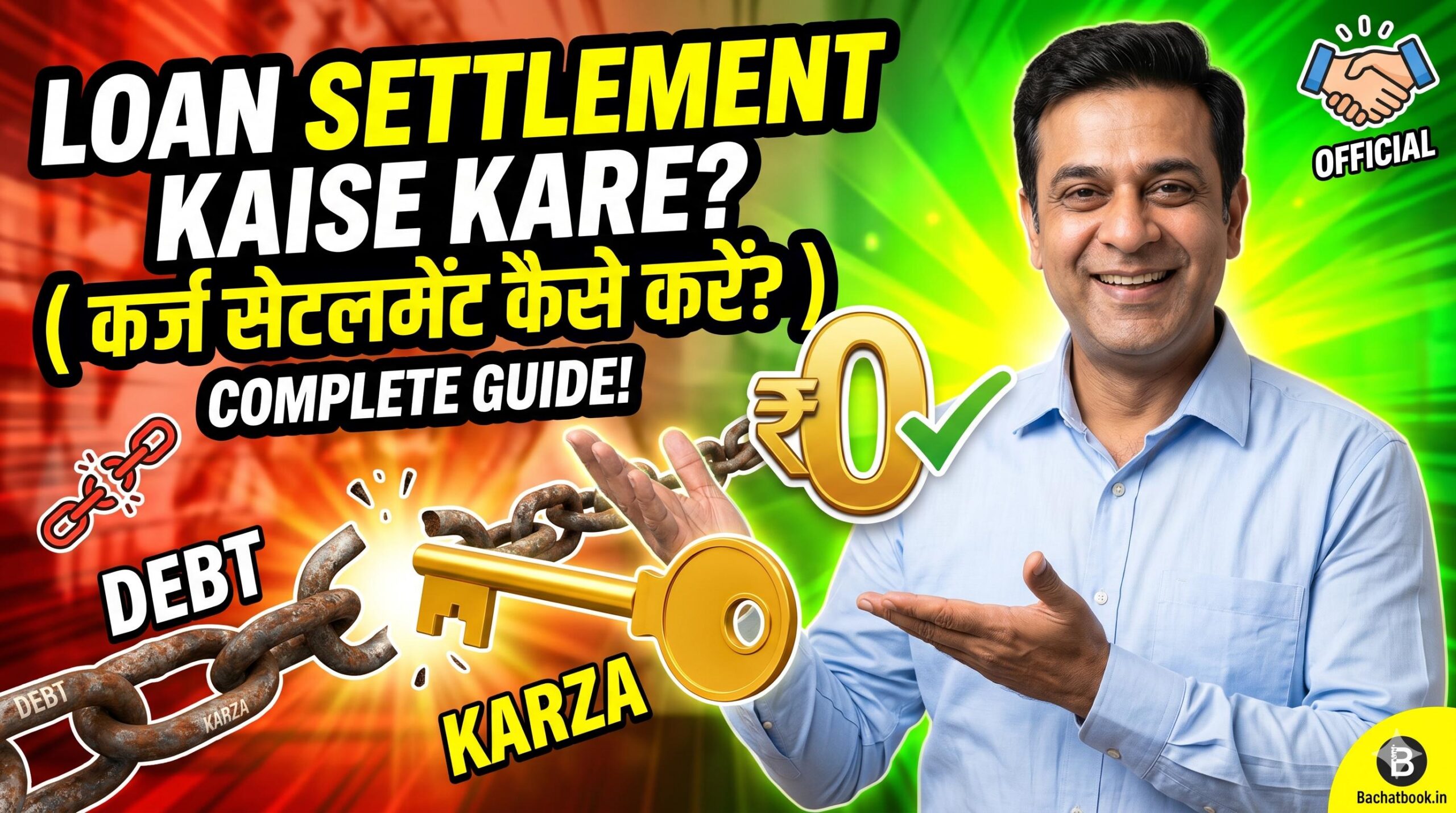
Managing finances can sometimes feel like walking on a tightrope. One unexpected medical bill or a job loss can disrupt your entire monthly budget, leading to missed EMIs and mounting debt. If you find yourself in a situation where your debt has become unmanageable, you might be searching for “Loan settlement kaise kare.
“ In simple terms, loan settlement is an agreement between you and your bank where you pay a reduced lump-sum amount to “settle” the account because you are unable to pay the full outstanding balance. While this sounds like a relief, it is a double-edged sword. It stops the immediate pressure from recovery agents, but it leaves a lasting mark on your credit history.
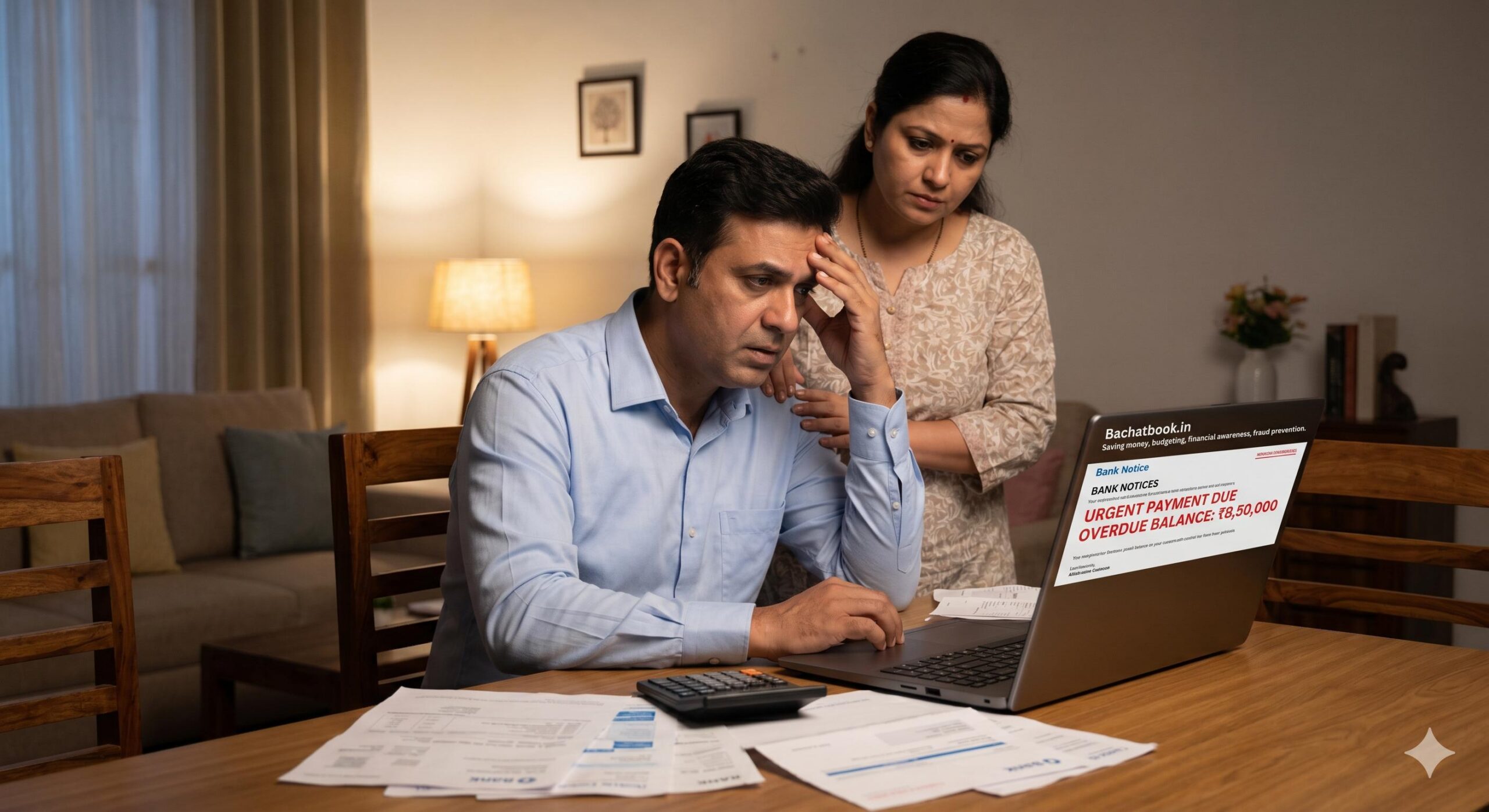
At bachatbook.in, our mission is to help Indian families achieve financial freedom through awareness. In this guide, we will break down the process of loan settlement, the risks involved, and how you can protect your financial future while regaining peace of mind.
Table of Contents
Loan Settlement Kaise Kare: The Step-by-Step Process
If you have reached a point where full repayment is impossible, following the right legal and ethical steps is crucial. Here is how you can navigate a loan settlement in India:
1. Realize the Timing
Banks do not offer settlements easily. Usually, a bank will only consider a settlement if your account has been in default for more than 90 to 180 days. At this stage, the bank classifies the loan as a Non-Performing Asset (NPA). They realize that recovering the full amount might be difficult, making them more open to negotiations.
2. Communication is Key
Do not go into hiding. If you are struggling, visit your bank branch. Speak to the loan officer or the branch manager. Explain your genuine financial hardship—whether it is a business failure, a medical crisis, or a job loss. Banks are more likely to help if they see you are honest and willing to pay whatever you can.
3. The Negotiation Phase
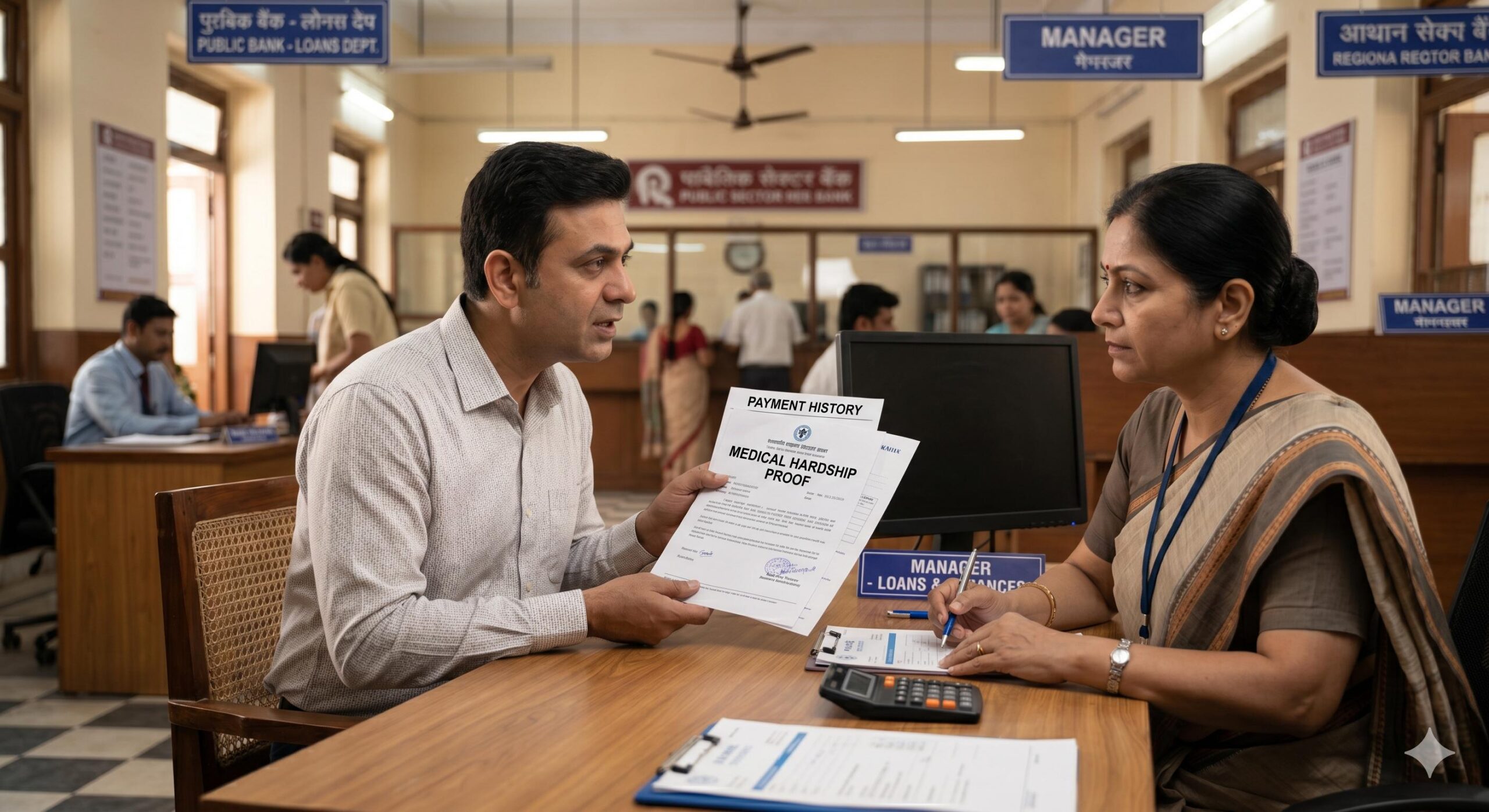
When asking “Loan settlement kaise kare,” remember that it is a negotiation. The bank will want as much as possible, and you want to pay as little as you can afford.
- The Offer: Generally, banks may agree to a settlement of 25% to 50% of the total outstanding amount (Principal + Interest).
- Lump Sum: Settlements are usually “One-Time Settlements” (OTS). You need to have the cash ready to pay in one go.
4. Demand a Formal Settlement Letter
This is the most critical step. Never make a payment based on a phone call or a verbal promise from a recovery agent. * Insist on an official Settlement Letter on the bank’s letterhead.
- The letter must state the exact amount, the due date, and a clause saying the bank will have no further claims on this loan.
- Check for the bank’s official stamp and signature.
5. Payment and Documentation
Pay the settled amount through official channels (Net banking, Cheque, or Demand Draft). Avoid cash payments to agents. Once paid, wait for 15-30 days and collect your No Dues Certificate (NDC) or a Closure Letter. This is your legal proof that you no longer owe the bank money.
Why Loan Settlement Should Be Your Last Resort
While it feels good to get rid of debt for a lower price, you must understand the financial impact.
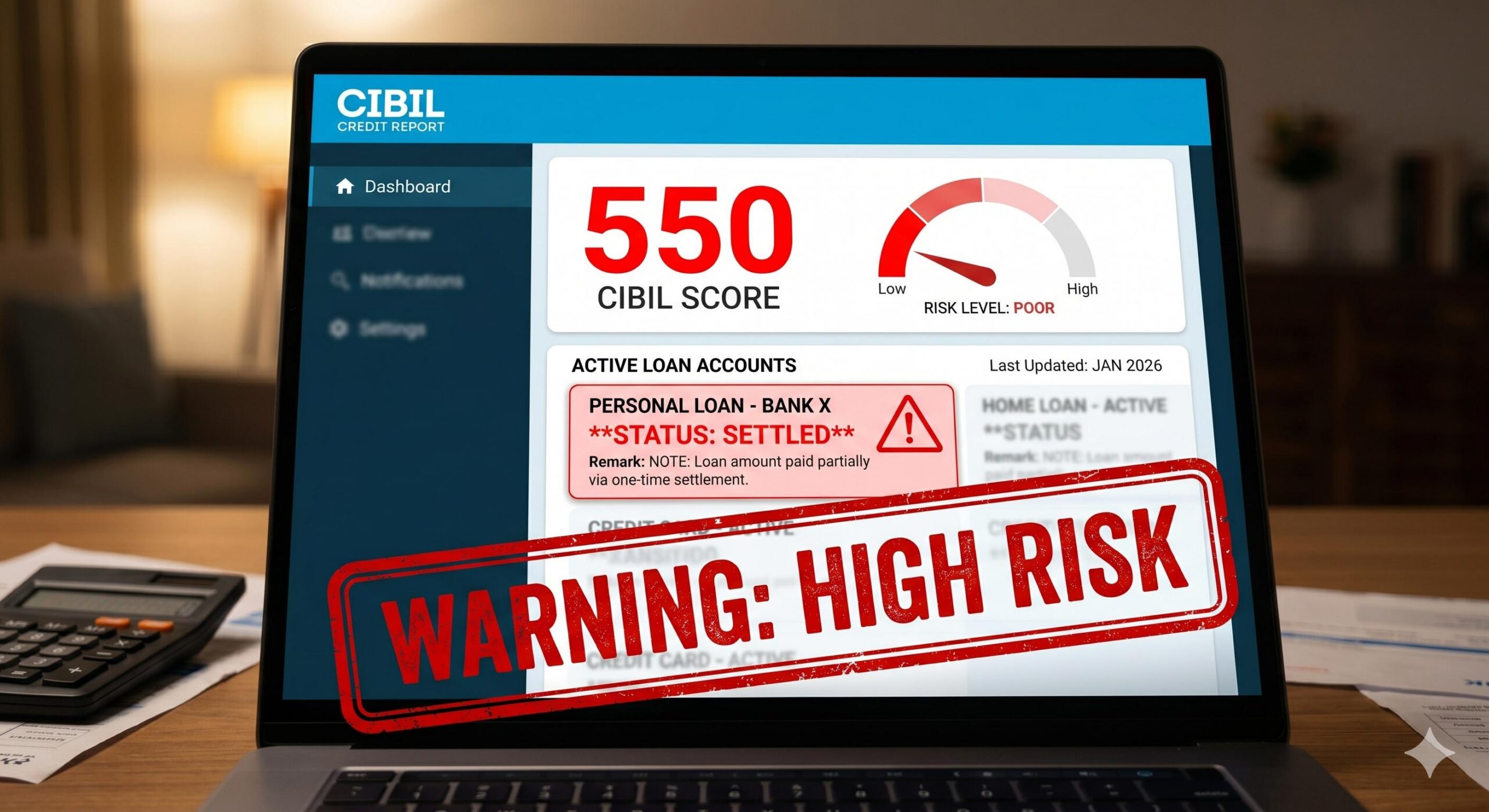
- CIBIL Score Damage: When you settle, the bank reports it to credit bureaus like CIBIL or Experian. Your status will be marked as “Settled” instead of “Closed.” This can drop your credit score by 70 to 100 points instantly.
- Future Loan Rejections: For the next 7 years, whenever you apply for a home loan or a car loan, the lender will see the “Settled” remark. Most banks reject applications with this status because it shows you didn’t fulfill your previous commitment.
- No Fresh Credit Cards: Getting a new credit card will become nearly impossible for several years until you rebuild your score.
Smart Money Habits: How to Avoid the Settlement Trap

At bachatbook.in, we advocate for “Bachat” (Saving) as the first line of defense. To avoid ever having to ask “loan settlement kaise kare,” incorporate these habits:
- Emergency Fund: Always keep 6 months of expenses in a separate savings account. This fund is only for emergencies like job loss or illness.
- Avoid Unnecessary Personal Loans: Only take a loan for assets (like a home) or absolute necessities. Avoid taking “Instant App Loans” for lifestyle expenses or vacations.
- Track Your Spends: Use a simple diary or a mobile app to track every rupee. Small leaks sink big ships.
- Prioritize Debt: If you have multiple debts, pay off the ones with the highest interest (Credit Cards) first. This is called the “Avalanche Method.”
Beware of Fraud: Protecting Your Data and Money
In your search for “loan settlement kaise kare,” you might encounter scammers.
- Fake Debt Relief Companies: Many companies claim they can “delete” your debt from CIBIL for a fee. This is a lie. No one can change your CIBIL record except the bank through the official reporting process.
- Phishing: Never share your banking passwords or OTPs with anyone claiming to represent a “Settlement Agency.”
- The “Agent” Trap: Some recovery agents might ask you to pay a portion of the money to their personal account to “start the process.” Never do this. All payments must go to the bank’s official loan account.
MSME Loan for New Shop: Secure Your Business & Avoid Financial Traps
FAQ: Frequently Asked Questions
Q1. Will my loan be completely cleared after settlement?
Legal recovery actions will stop, and the bank will stop calling you. However, in the records of credit bureaus (like CIBIL), the loan is not “cleared”—it is marked as “Settled,” which indicates partial payment.
Q2. Can I settle a Home Loan or Car Loan?
Settlement is common for unsecured loans (Personal Loans, Credit Cards). For secured loans (Home/Car), the bank prefers to seize and auction the asset to recover their money. Settlement in secured loans is rare and usually happens only if the asset value has dropped significantly.
Q3. How long does the “Settled” status stay on my CIBIL report?
It typically stays on your report for 7 years. After that, it may be removed, but your credit history will still reflect the period of default.
Q4. Can I change “Settled” to “Closed” later?
Yes. This is called “Settlement to Closure.” If your financial situation improves later, you can pay the remaining “waived off” amount (the difference between the original due and the settled amount) to the bank. The bank will then update your status to “Closed.”
Q5. Is loan settlement better than a default?
Yes. A default means you paid nothing, which can lead to legal cases and a total block on your financial life. A settlement shows you at least made an effort to pay something, which is slightly better than a total default.
Conclusion
The journey of loan settlement is often born out of stress and financial hardship. While it provides an immediate exit from the cycle of debt and recovery calls, the long-term impact on your creditworthiness cannot be ignored. If you are forced to choose this path, do it with full documentation and a clear understanding of the consequences.
The best way to honor your hard-earned money is to plan ahead. Focus on building a safety net, avoid high-interest traps, and stay informed. Remember, a “Settled” status on a piece of paper does not define your future, but your future financial habits certainly will. Stay disciplined, stay safe, and keep your “Bachat Book” updated!
Educational Disclaimer: This article is for informational purposes only and does not constitute professional financial, legal, or investment advice. Loan settlement is a serious financial decision with long-term credit implications. Please consult with a certified financial planner or your bank’s grievance redressal cell before proceeding.