
Introduction
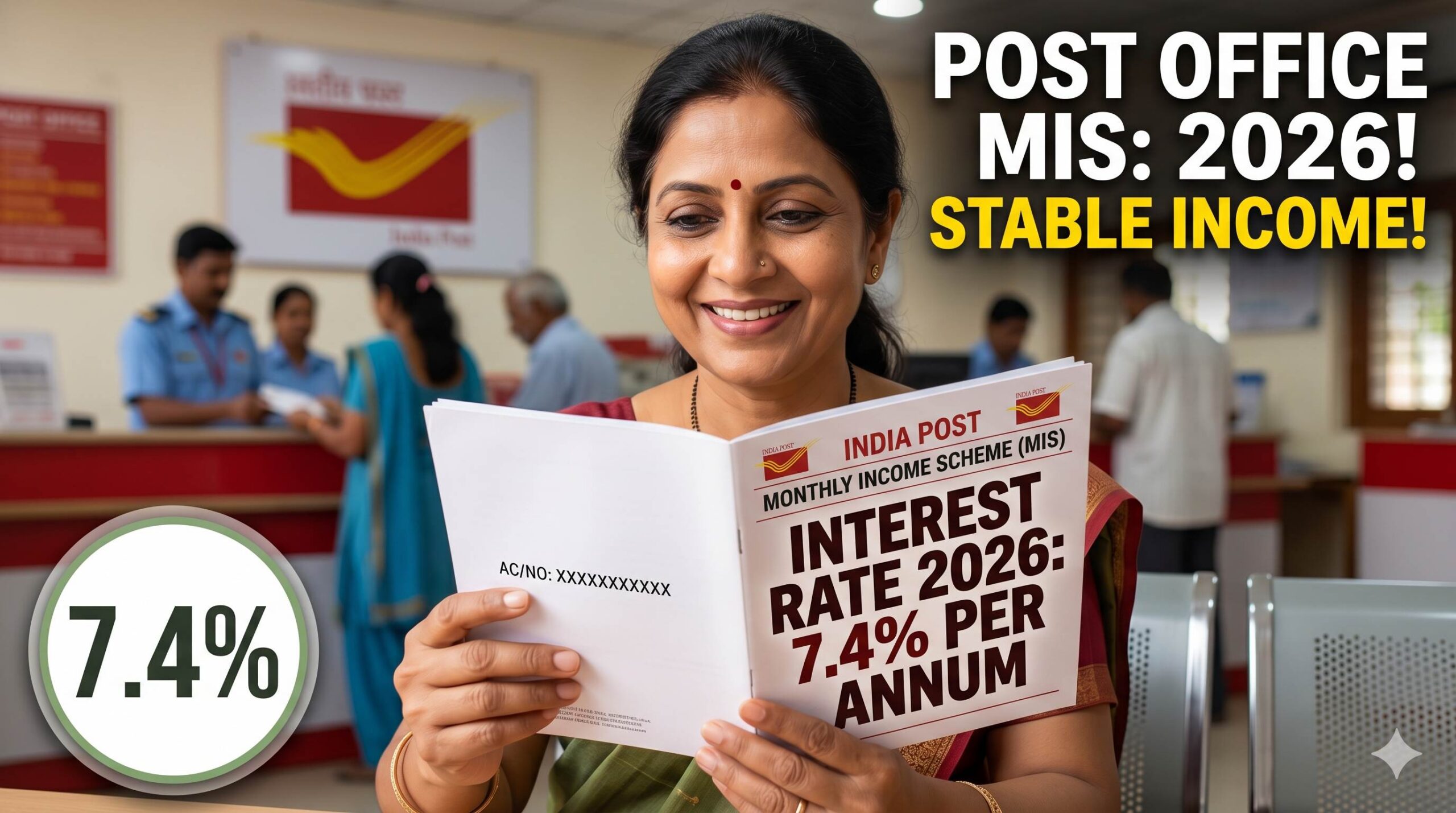
Welcome to BachatBook. If you are looking for a highly reliable way to generate a guaranteed monthly income without risking your family’s hard-earned savings, the Post Office Monthly Income Scheme (POMIS) remains one of the most secure options available in India today. Currently, the [post office mis interest rate 2026] is set at an attractive 7.4% per annum, payable monthly.

By depositing your funds for a five-year tenure, you secure a steady, predictable payout that is fully backed by the Government of India. However, understanding this safe, baseline return is about much more than just earning interest—it is your primary defense against financial fraud. In a digital landscape heavily crowded with fake investment apps and scammers promising overnight wealth, knowing the reality of authentic government returns helps you spot fake schemes instantly. Let’s explore how leveraging this safe income scheme can protect your capital and build smarter, scam-proof money habits for your household.
Table of Contents
Understanding the Core of Secure Savings
For Indian middle-class families, salaried employees, and students, finding a safe place to park hard-earned savings is a top priority. In this context, staying updated on secure, government-backed options is absolutely essential. The current [post office mis interest rate 2026] stands at 7.4% per annum, with the interest payable on a monthly basis.
The Post Office Monthly Income Scheme (POMIS) serves as an industry benchmark for risk-free returns. By depositing a lump sum amount for a tenure of five years, you ensure a predictable and steady cash flow every month. Backed by the Government of India, it offers complete capital protection from market volatility. Grasping the reality of the [post office mis interest rate 2026] is the very first step in establishing strong financial awareness. Knowing this exact baseline helps households easily distinguish between realistic, secure growth and the dangerous allure of unverified, high-yield traps that constantly saturate the internet.
The Risk of Chasing Unrealistic Returns

The core task of wealth management is to guarantee the absolute safety of the principal. Reliable stable wealth management products available on the market have an annualized return of approximately 7.4%, a figure far lower than the short-term double-digit high returns touted in the exaggerated claims of various online advertisements. Current scams operated by
fake wealth management applications, counterfeit cryptocurrency platforms, and unlicensed lending apps accurately target the widespread desire among the middle class to accumulate wealth quickly and escape the cycle of living paycheck to paycheck. Any platform that claims to offer zero risk paired with abnormally high returns is certain to be a scam. Scammers frequently manipulate targets’ psychology by stoking a sense of urgency, fear of missing out, and using fabricated user testimonials. The public should rely on traditional, secure wealth management tools and maintain rational return expectations to build a solid line of defense against fraud.
The Severe Financial Impact of Data and Capital Loss

The harms posed by financial fraud and digital fraud extend far beyond temporary financial losses. For ordinary households that struggle to balance monthly income and expenses and operate on extremely tight budgets, the loss of a large sum of money can completely
destroy years of accumulated savings, the countless sacrifices made by scrimping and saving, and carefully mapped-out family plans. Such losses can escalate into a series of long-term negative impacts: they can derail core family goals including children’s higher education savings, future medical reserves, and retirement security; force families to take out high-interest emergency loans and trap them in years of debt; and also generate enormous stress and anxiety that undermines family harmony. Therefore, protecting existing wealth is far more important than pursuing aggressive asset appreciation.
Essential Preventive Habits for Protecting Your Money
Defending your finances requires adopting proactive, everyday habits. Digital security is not a one-time setup; it is a continuous, daily practice. Developing these defensive habits ensures that your money remains safely under your control.
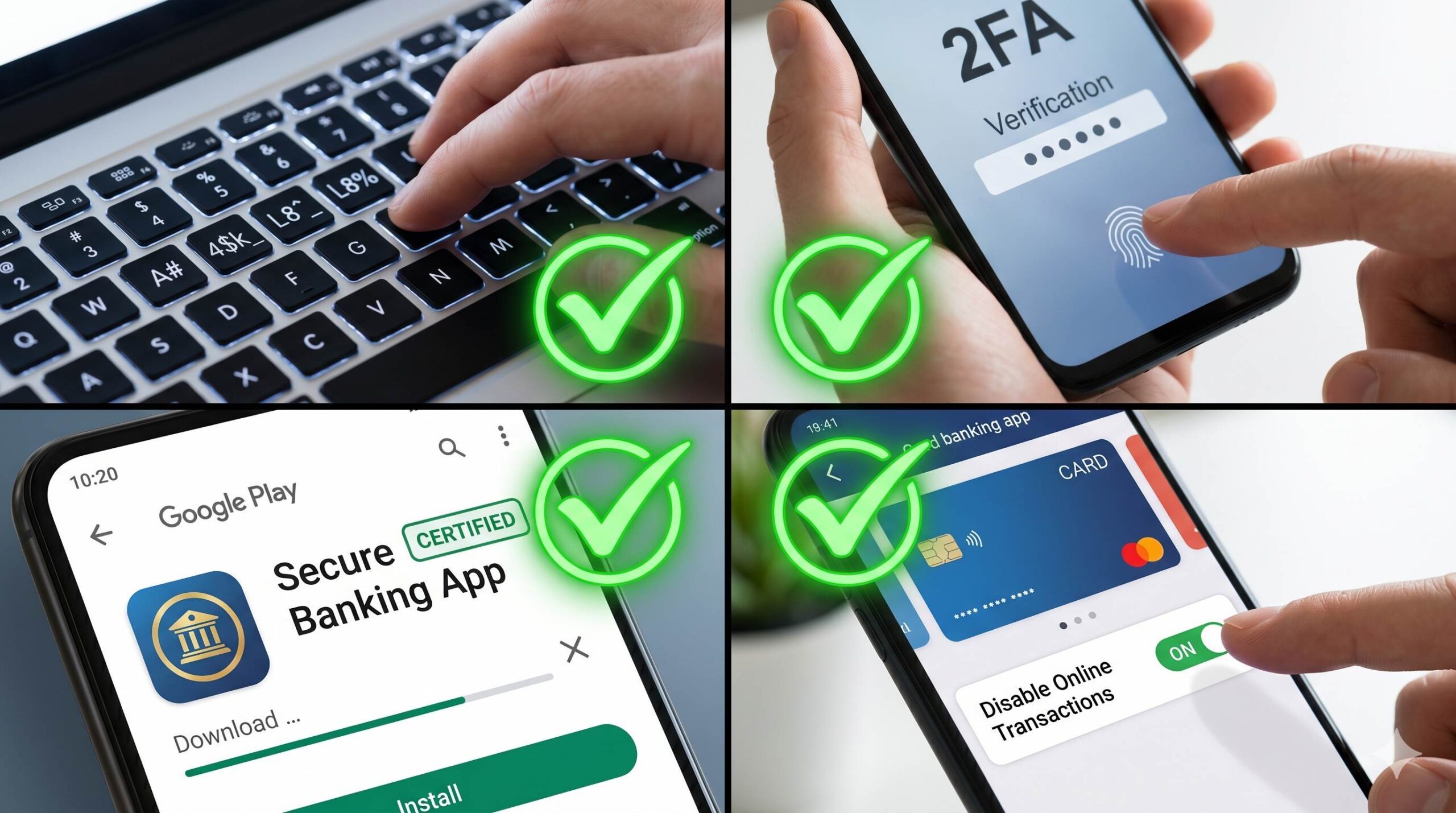
- Strict Digital Hygiene: Adhere to strict digital hygiene protocols: treat personal financial data the same as physical cash, set a unique, complex password for banking applications, and enable two-factor authentication for all accounts.
- Verify the Source:The core of preventing telecom and financial fraud is verifying the source of information. Do not click on payment links contained in text messages, WhatsApp messages, or spam emails, do not download investment-related mobile apps, and only log into official bank websites or use apps sourced from certified app stores.
- Beware of Vishing: Please stay alert to voice phishing scams. Legitimate financial institutions will never request your ATM PIN, CVV, or OTP. If anyone asks for these pieces of information, hang up the incoming call immediately.
- Utilize App Controls: It is recommended that all individuals develop the habit of regulating the transaction permissions of their personal bank cards on a daily basis, enabling the corresponding permissions only when there is a genuine need to use the card, so as to effectively reduce the security risks of personal accounts.
- Avoid Public Wi-Fi: Be sure to avoid the unsecured public Wi-Fi networks available in cafes and airports. Never use these networks to check your bank account balance or conduct money transfers, as this type of network is extremely vulnerable to data interception by cybercriminals.
- Regular Audits: Consistently carrying out regular checks of bank accounts, carefully reconciling bank statements on a weekly basis, and reporting unauthorized transactions as early as possible can substantially increase the probability of fully recovering all funds lost to fraudulent account charges.
Cultivating Smart Money Behaviors for Long-Term Stability
Many ordinary Indian households assume that financial security only involves guarding against financial fraud, but the core of true financial security is in fact establishing a highly sustainable household financial lifestyle. First, you must formulate

a realistic household budget, track the inflow and outflow of every rupee, and lay a solid foundation for financial oversight; second, you can join Bachat Gat, India’s local traditional community savings self-help group. By relying on the community atmosphere that features collective savings, mutual accountability, and shared financial wisdom, you can solidify saving money as a non-negotiable
monthly habit, while also gaining a safety net from community mutual aid; finally, you must build a highly liquid emergency fund that can cover at least 6 months of essential living expenses, to respond to unexpected events such as sudden unemployment or acute medical emergencies, and avoid tapping into long-term savings or taking on high-interest predatory debt.
UPI Fraud Alert 2026: How to Protect Your Hard-Earned Savings from Digital Scams
Frequently Asked Questions (FAQs)
Who is eligible to open a POMIS account?
Any resident Indian adult can easily open a single or joint account. Minors above the age of 10 can also hold an account in their own name.
Is the interest from this scheme tax-free?
No, the interest earned is fully taxable according to your respective income tax slab, although no TDS (Tax Deducted at Source) is deducted directly at the post office.
Can I withdraw my money before five years?
Premature withdrawal is not allowed before one year. Withdrawals between 1 to 3 years attract a 2% penalty on the principal, while withdrawals between 3 to 5 years attract a 1% penalty.
Disclaimer: The information provided in this educational article is for general informational purposes only. It is specifically designed to promote general financial awareness, fraud prevention, and safe money management habits. It does not constitute professional financial, investment, or legal advice. Always consult with a certified financial planner before making any financial decisions.