
Introduction
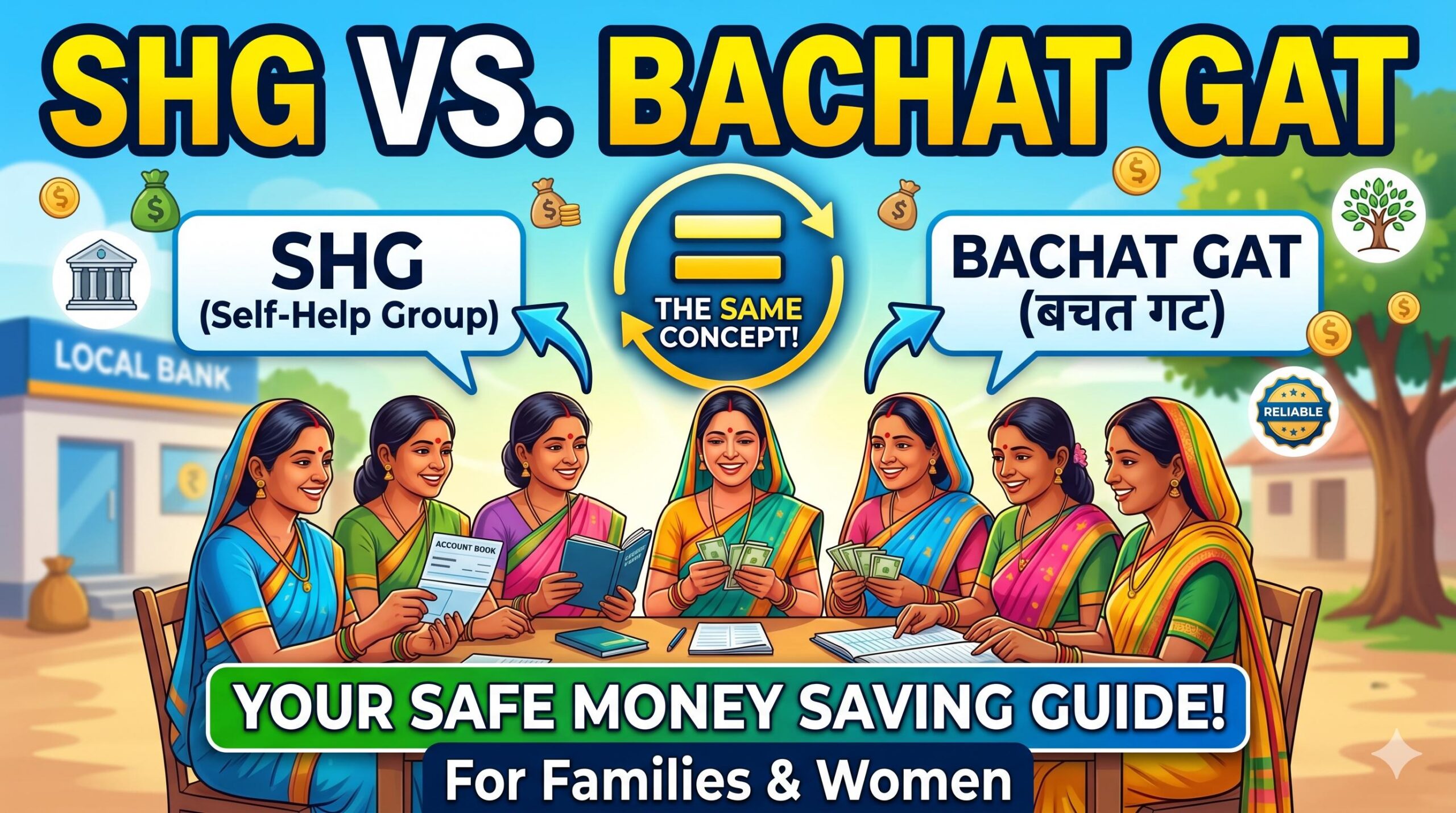
If you are searching for the difference between shg and bachat gat, the simple truth is that there is no fundamental difference at all. They are two different names for the exact same community financial concept.
SHG stands for Self-Help Group, which is the formal English term used by the Reserve Bank of India (RBI), NABARD, and national banks in their official schemes and documentation. On the other hand, Bachat Gat (बचत गट) is the regional term commonly used by everyday citizens, particularly in Maharashtra and surrounding areas, to describe these local savings groups.
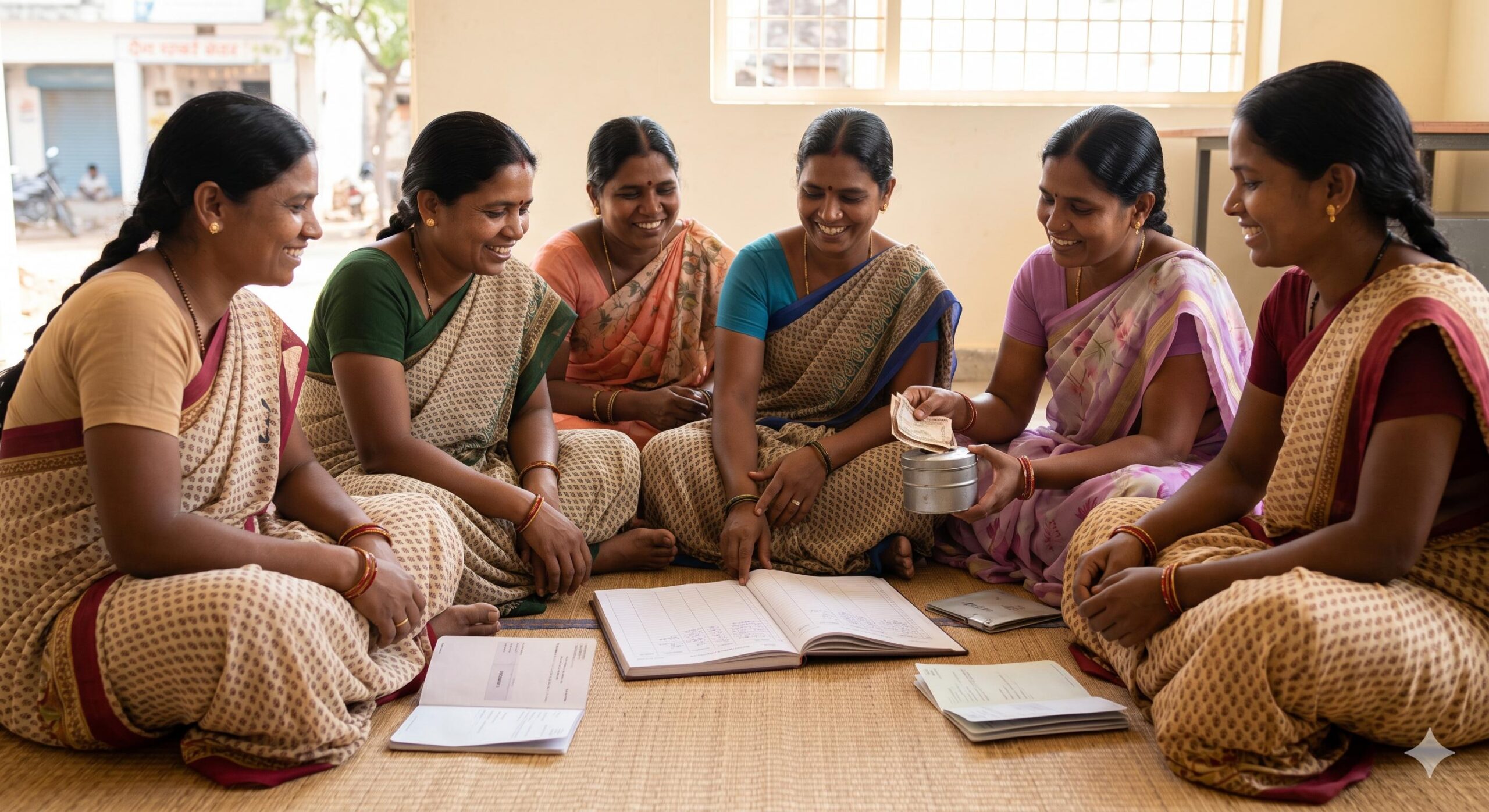
Whether you call it an SHG or a Bachat Gat, it involves a small group of 10 to 20 people—usually women from similar economic backgrounds—who come together to pool their small monthly savings and provide low-interest loans to members in times of need.
Table of Contents
Understanding the Contextual Difference
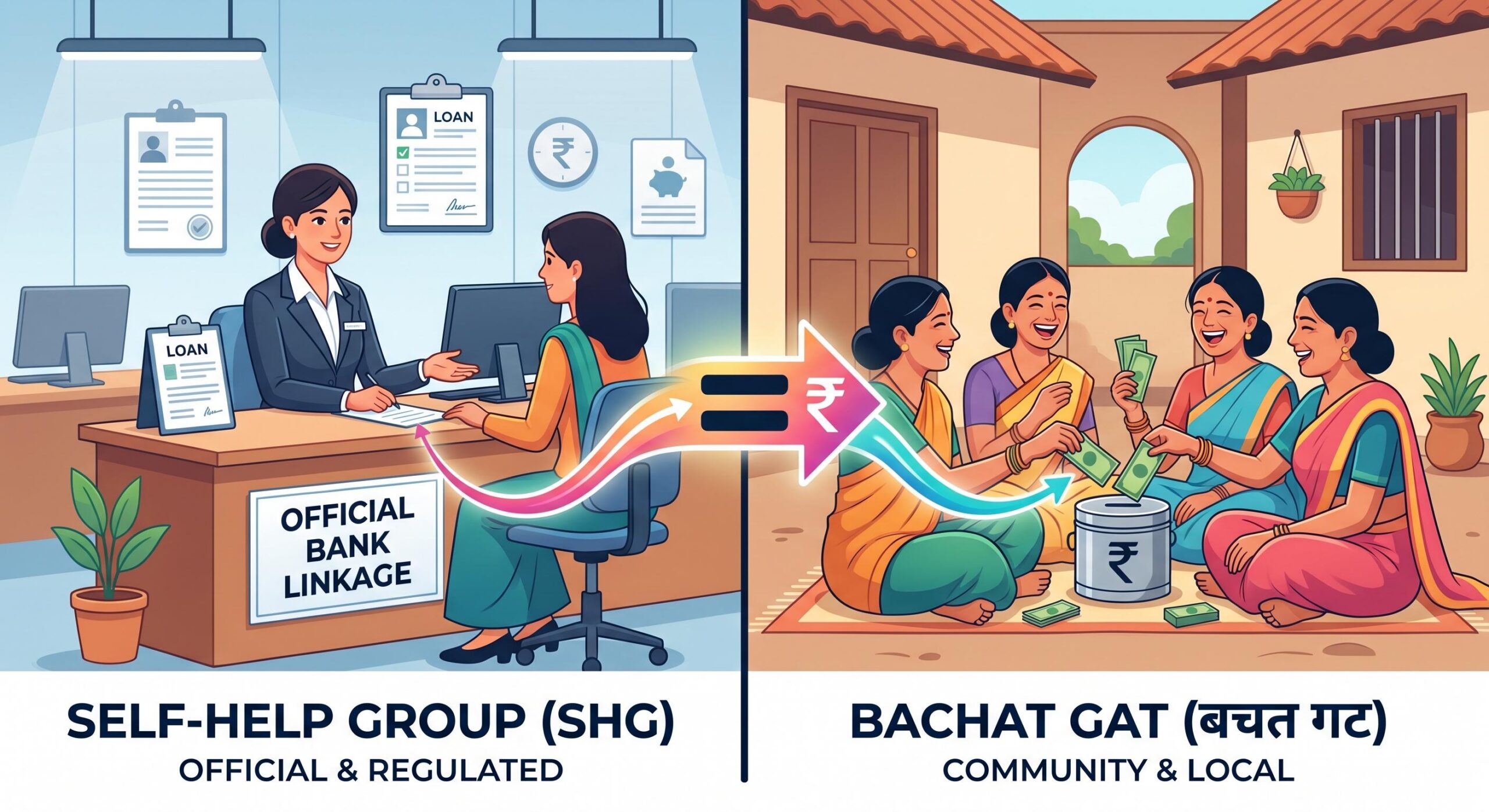
While the core function is identical, the terms are used in slightly different contexts in daily life. Here is a quick breakdown to clear any confusion:
| Feature | SHG (Self-Help Group) | Bachat Gat (बचत गट) |
| Language | English / Official | Marathi / Regional |
| Used By | Bank managers, government officials, NGOs | Local community members, neighbors, group leaders |
| Documentation | Used in official bank forms and loan applications | Used in daily conversation and informal meetings |
Regardless of the name, these groups are powerful tools for financial empowerment. However, because they involve pooling hard-earned money, they also come with hidden dangers if not managed carefully.
The Hidden Risks of Informal Savings Groups
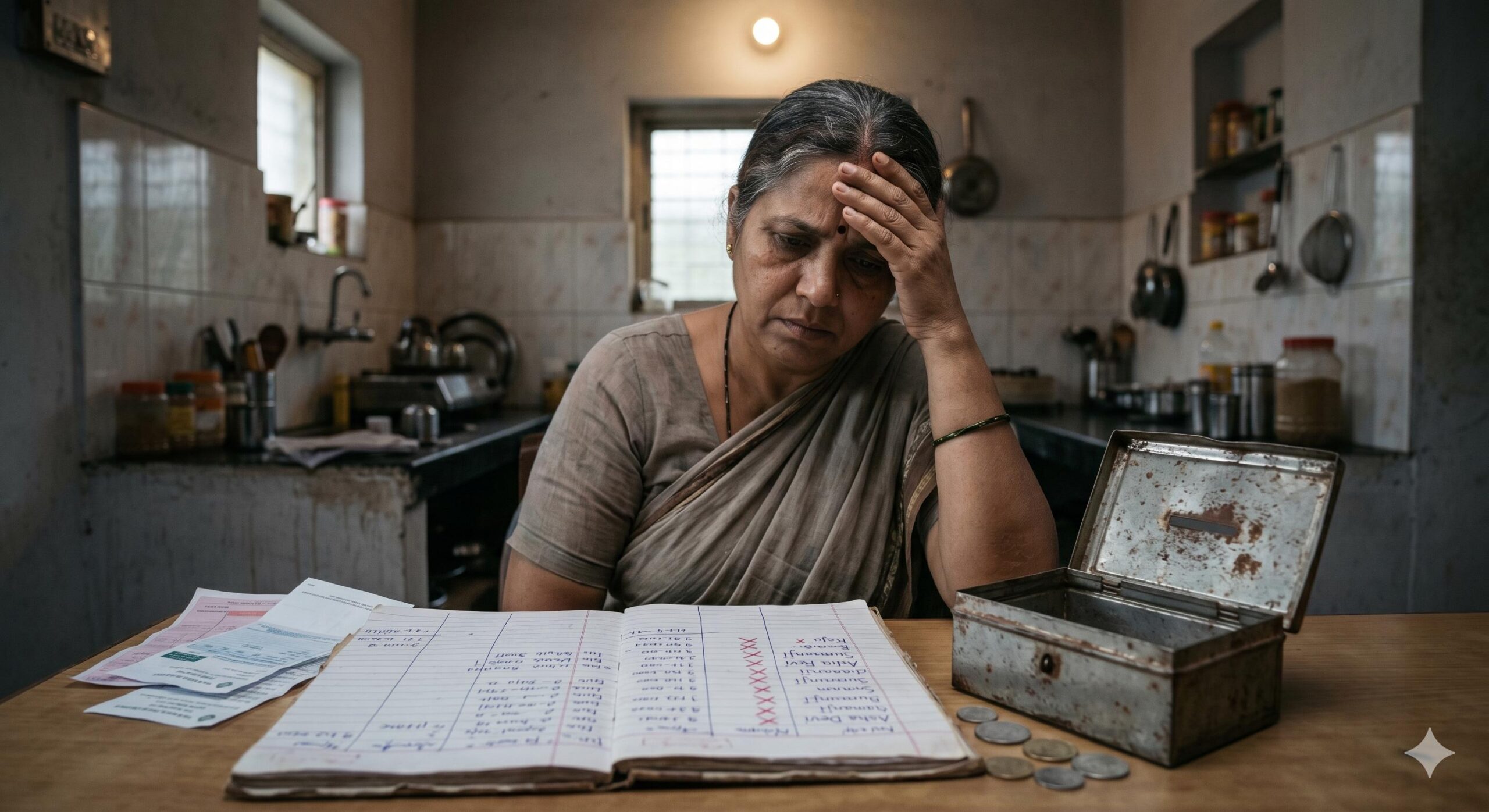
Community savings rely heavily on mutual trust. When 10 to 20 people contribute money every month, the collected fund can grow into a significant amount over a year. While this is excellent for saving, informal groups face several serious risks:
- Cash Mishandling: Many new groups keep their pooled monthly funds in cash with the group leader (Adhyaksha) instead of depositing it in a formal bank account. This creates a high risk of theft, misplacement, or accidental spending.
- Undocumented Loans: Giving money to a member based entirely on verbal promises rather than a signed, written agreement can lead to disputes if the member refuses to pay it back.
- Internal Fraud: Unfortunately, there are cases where unregistered groups are formed by individuals with bad intentions who collect monthly savings from members and disappear once the fund grows large enough.
- Dominance by a Few Members: Sometimes, one or two vocal members take all the group’s funds as loans and delay repayment, leaving other members helpless during emergencies.
The Financial Impact of Mismanagement
When a Bachat Gat fails to practice safe financial habits, the impact on middle-class families can be devastating.
If a member defaults on a large internal loan and the group has no formal paperwork, the loss is divided among all the honest members. For a household managing a tight budget, losing ₹5,000 to ₹10,000 of pooled savings is a severe financial blow. Furthermore, if an unregistered SHG takes a collective loan from a local moneylender instead of a formal bank and fails to repay it, all members can fall into a dangerous debt trap, facing harassment and exorbitant interest rates.
Protecting your pooled money is just as important as saving it in the first place.
Preventive Habits for a Safe Bachat Gat
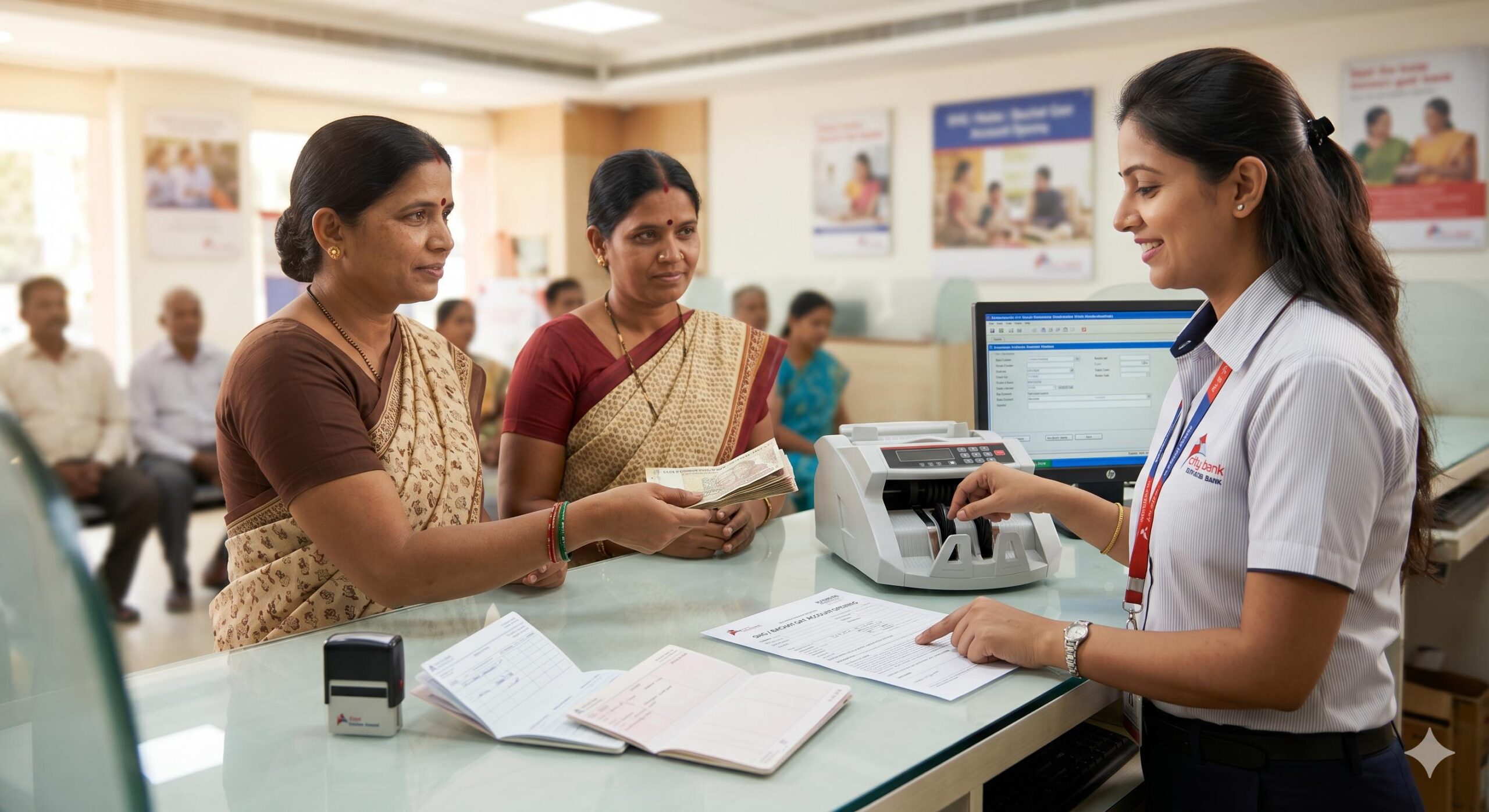
To ensure your savings remain secure and your group thrives without conflict, every SHG must adopt strict preventive money habits. If you are part of a Bachat Gat, insist on the following rules:
- Open a Joint Bank Account Immediately: Never hold large amounts of cash at home. As soon as the group is formed, open a formal savings account in a nearby nationalized bank or post office in the name of the SHG. The account must require at least two or three signatures (usually the President, Secretary, and Treasurer) to withdraw money.
- Maintain Transparent Registers: Every single rupee must be tracked. The group must maintain a dedicated ledger book that records attendance, individual monthly savings, loan disbursements, and interest collections. Read the totals aloud at the end of every meeting so everyone knows exactly how much money is in the bank.
- Register the Group: Follow local government guidelines to formally register your Bachat Gat. Registered groups get access to official bank linkages, government subsidies, and legal recognition, which drastically reduces the risk of fraud.
- Enforce Strict Loan Rules: Never lend out of pity without a repayment plan. Set clear rules on how much interest will be charged and what the penalty will be for late payments. Ensure all loan agreements are signed in the ledger by the borrower.
PMEGP Loan Scheme Explained: How to Apply Safely and Avoid Financial Scams
Smart Money Behavior: Upgrading Your Financial Life
A Bachat Gat is not just an emergency fund; it should be a stepping stone toward broader financial literacy.
Smart money behavior means transitioning from simply saving cash to using formal financial tools. Group meetings are excellent opportunities to educate members about modern banking. Take time during your monthly gatherings to teach members how to use UPI safely, how to identify online banking scams, and the importance of not sharing OTPs.
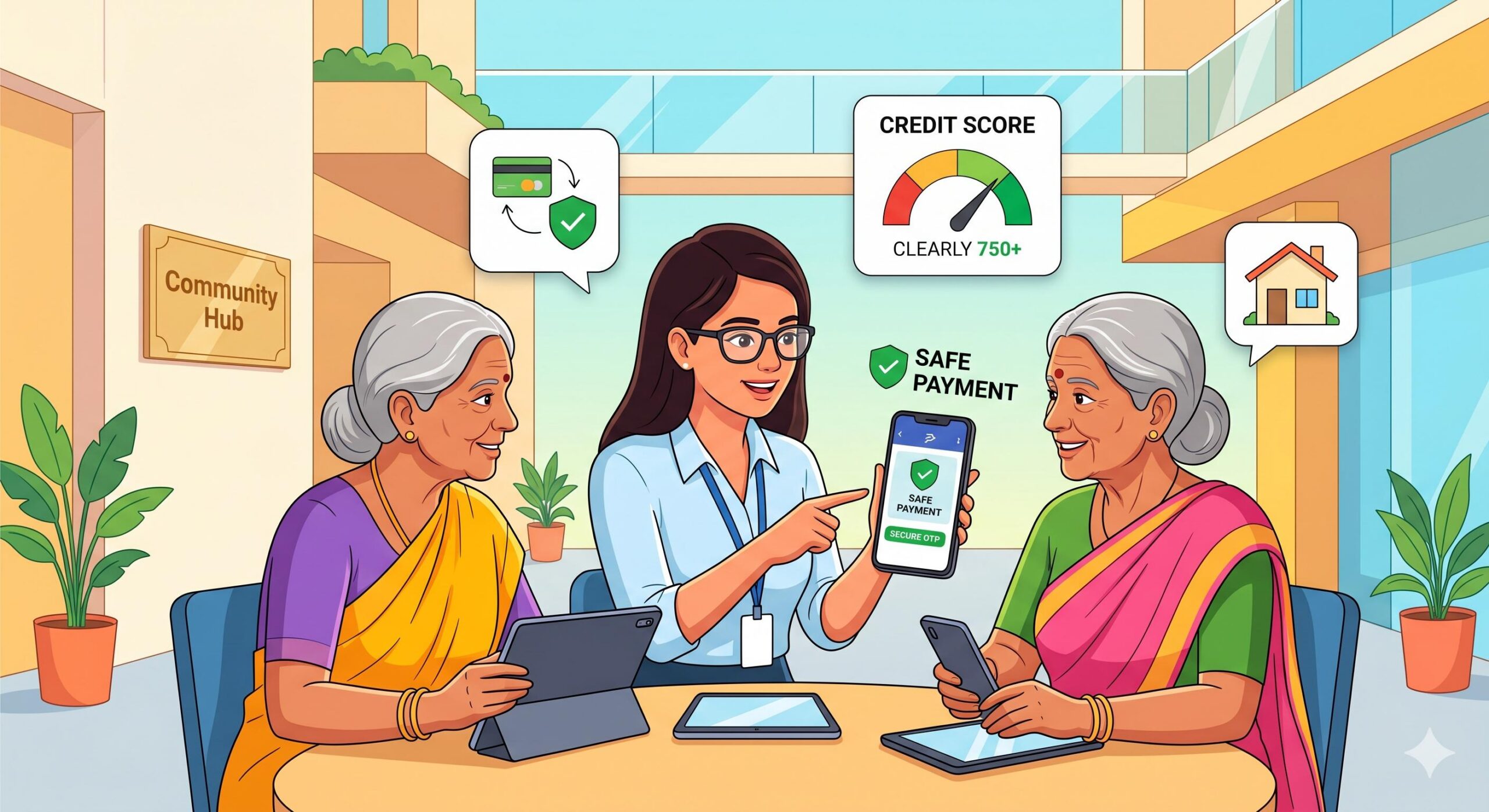
Additionally, as your SHG builds a strong track record of saving and internal lending, you can apply for formal bank loans at highly subsidized rates. By successfully managing these bank loans, members can build strong individual credit histories (CIBIL scores), allowing them to eventually secure personal loans for education or housing outside the group.
By understanding how to safely run your savings group, you turn a simple community gathering into a powerful shield against financial insecurity.
FAQs
Is it safe to keep SHG money in cash?
No. Keeping pooled group funds in cash is highly risky. All collected funds should be deposited into a joint bank account opened in the name of the Bachat Gat immediately after the meeting.
Can an unregistered Bachat Gat open a bank account?
Banks typically require basic documentation to prove the group’s existence, such as a resolution passed by the members and a copy of the group’s rules, even if they aren’t fully registered as an NGO or society. Always check with your local bank branch for their specific SHG-linkage requirements.
What happens if a member stops paying their monthly contribution?
The group’s written rules should address this. Usually, a grace period is offered with a small late fee. If the member continuously defaults or refuses to communicate, the group may deduct what they owe from their past savings and formally remove them from the Bachat Gat.
Disclaimer: This article is for educational purposes only and does not constitute professional financial advice. Always verify banking requirements and government schemes with a certified financial advisor or an official bank representative before making financial decisions.