
Introduction
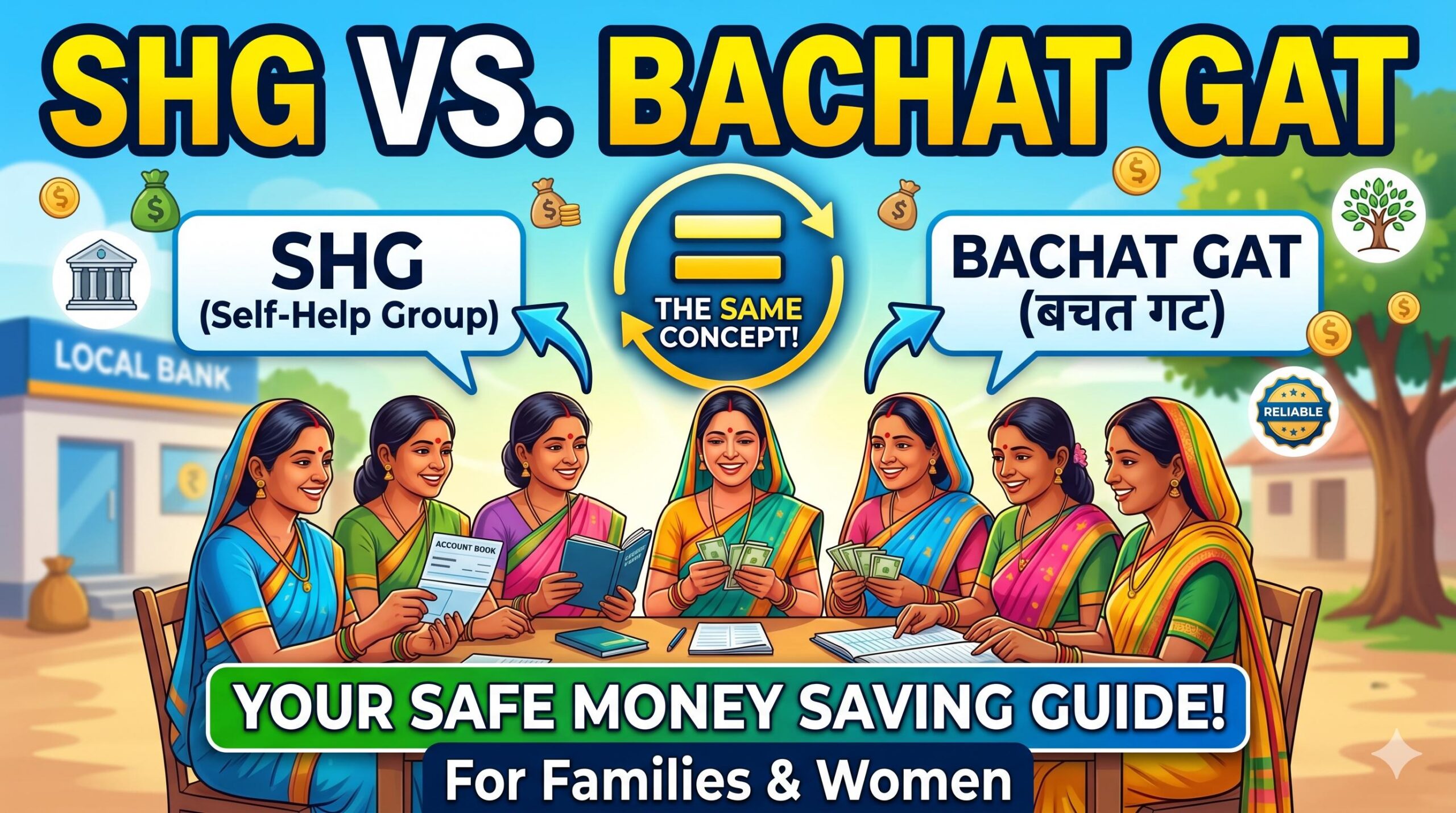
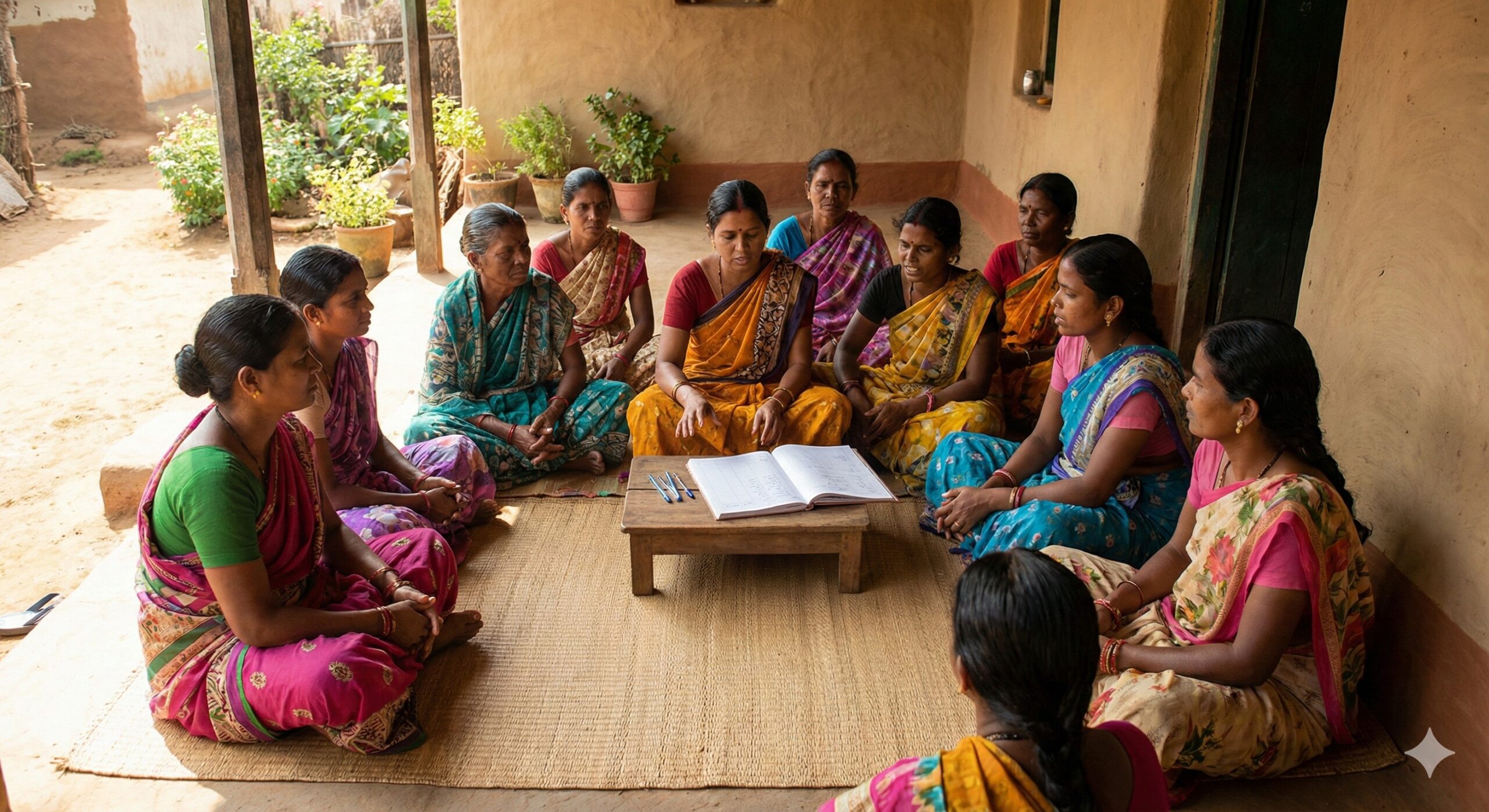
In the heart of rural and semi-urban India, a quiet financial revolution is taking place. It is not happening in high-rise corporate offices, but on the verandas of village homes where women gather to save, discuss, and build a future. This is the power of the Self Help Group (SHG).
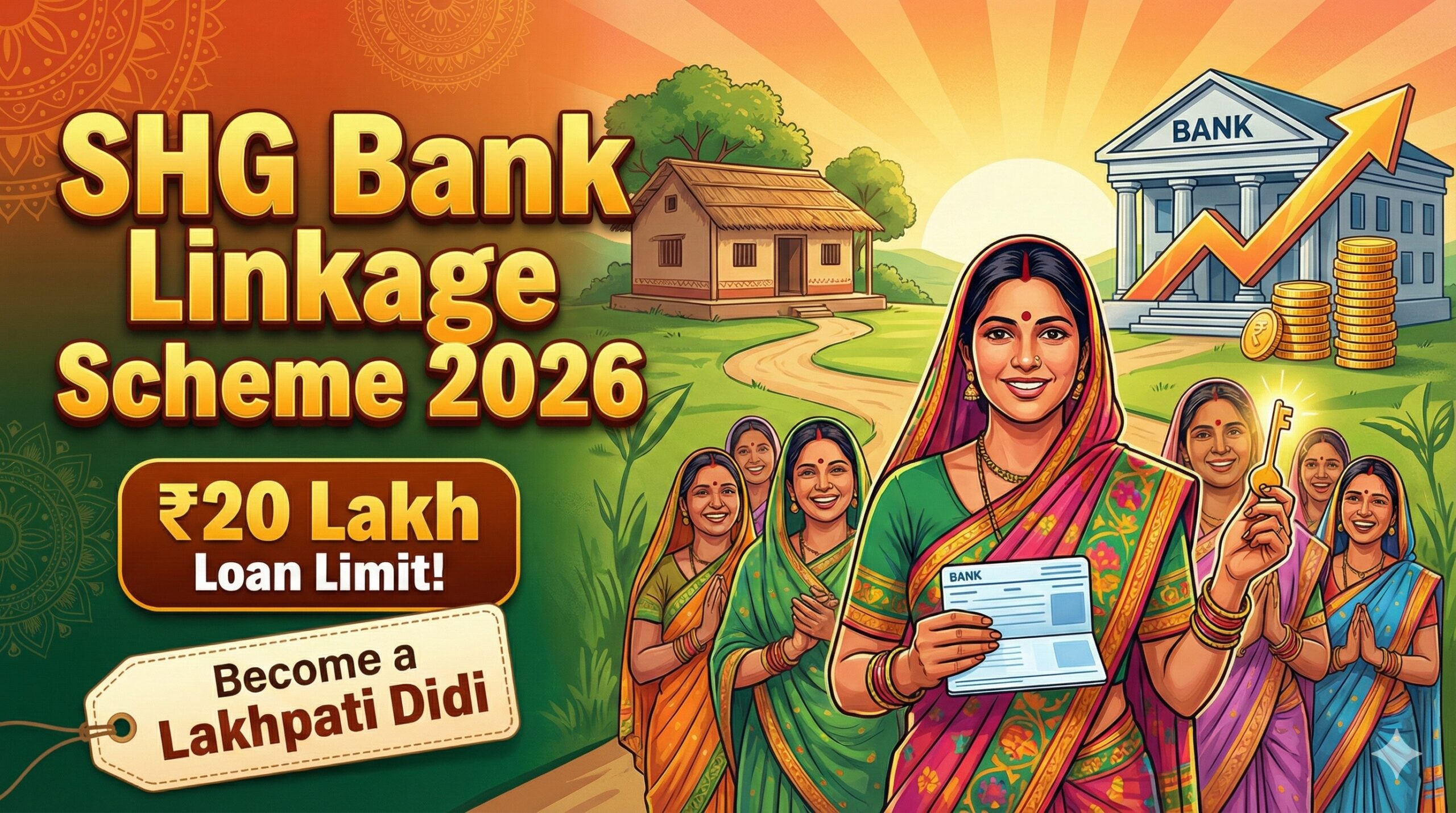
For millions of Indian families, especially in 2026, the SHG bank linkage scheme has become the most trusted ladder out of poverty. With rising inflation and household expenses, relying solely on one income source is no longer enough. The government’s renewed focus on the Lakhpati Didi initiative has pumped new energy into this sector, offering higher loan limits and lower interest rates than ever before.
If you are a member of an SHG or planning to join one, understanding these new 2026 guidelines is critical. It can be the difference between struggling with high-interest private loans and accessing affordable bank credit to start your own business. This guide helps you navigate the SHG bank linkage scheme 2026 to secure your family’s financial future.
Table of Contents
Why Saving Money is Crucial for Indian Families
Before diving into loans, we must address the root: Savings. In India, financial security is often family security.
- Emergency Fund: Medical emergencies or sudden job losses do not come with a warning. An SHG acts as a first-responder, providing immediate small loans from internal savings.
- Breaking the Debt Trap: Many families rely on local moneylenders charging 3-5% interest per month. SHG linkage provides access to formal credit at ~7% per year, breaking this cycle.
- Future Goals: Whether it is children’s education or a daughter’s marriage, disciplined group savings create a corpus that grows over time.
What is the SHG Bank Linkage Scheme?
The SHG Bank Linkage Programme (SHG-BLP) is a flagship initiative by NABARD and the RBI. It connects informal Self Help Groups directly to formal banks.
Instead of asking for individual collateral (like land or gold), banks lend to the group based on their collective savings history and discipline. The group members then lend this money among themselves for starting small businesses (pickle making, tailoring, dairy farming) or meeting household needs.
Core Philosophy: “Savings first, Credit later.”
Key Updates for 2026: Loan Limits & Interest Rates
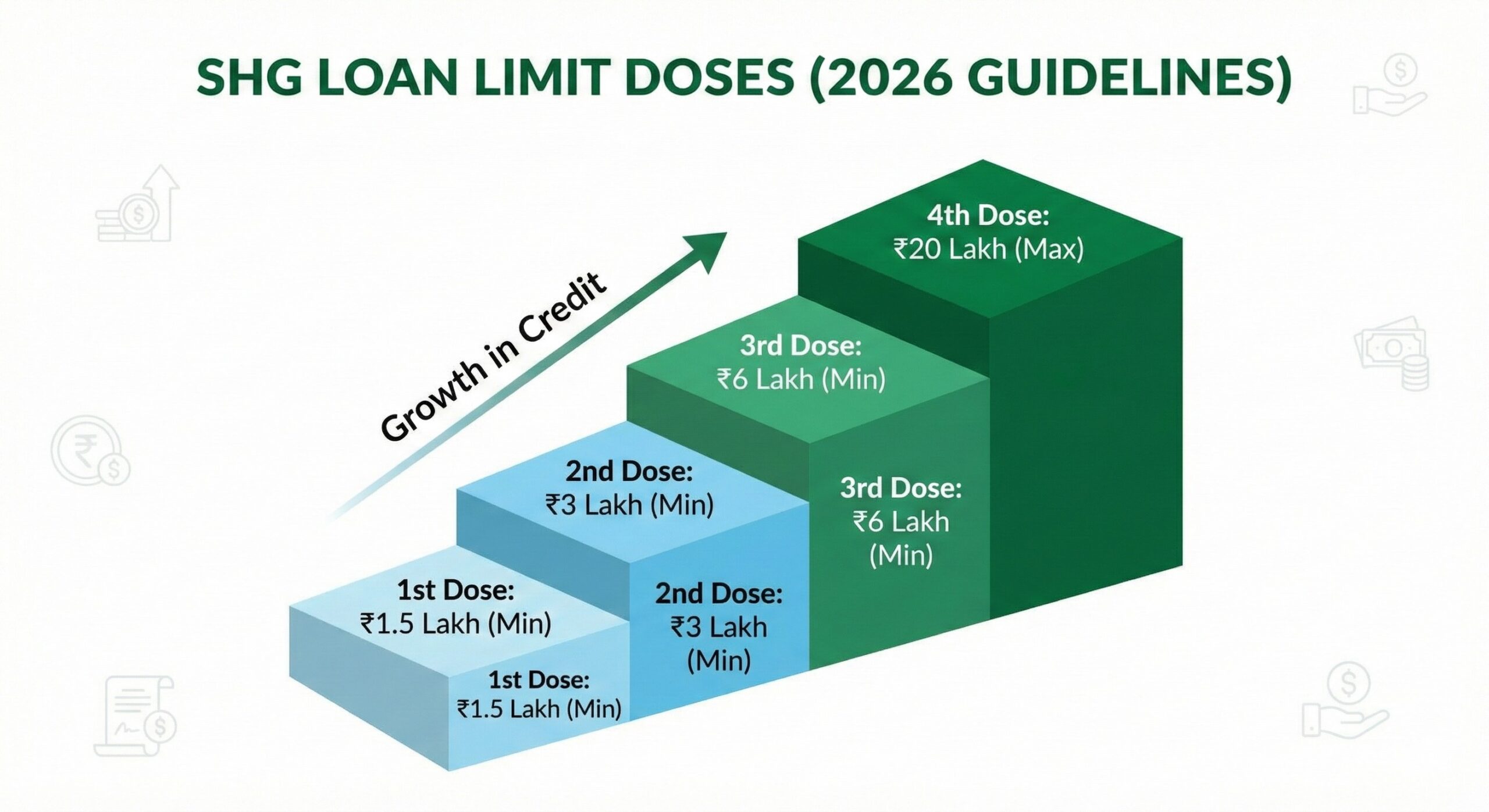
The guidelines under DAY-NRLM (Deendayal Antyodaya Yojana) have been significantly upgraded for 2026 to support higher income generation.
New Loan Limits (The “Dose” System)
Banks now provide loans in “Doses” based on the group’s age and repayment history.
| Loan Dose | Loan Limit (2026 Guidelines) |
| 1st Dose | 6 times of Group Corpus or Minimum ₹1.5 Lakh (whichever is higher) |
| 2nd Dose | 8 times of Group Corpus or Minimum ₹3 Lakh (whichever is higher) |
| 3rd Dose | Minimum ₹6 Lakh (based on Micro Credit Plan) |
| 4th Dose | Above ₹6 Lakh to ₹20 Lakh (for sustainable enterprises) |
Interest Rates & Subvention (Subsidy)
- Standard Rate: For loans up to ₹3 Lakhs, the interest rate is capped at 7% per annum.
- Prompt Repayment Bonus: If the SHG repays on time, they get an additional 3% Interest Subvention.
- Effective Rate: This brings the effective interest rate down to just 4% per annum for women SHGs in notified districts.
Eligibility Criteria: The “Panchasutra” Rule
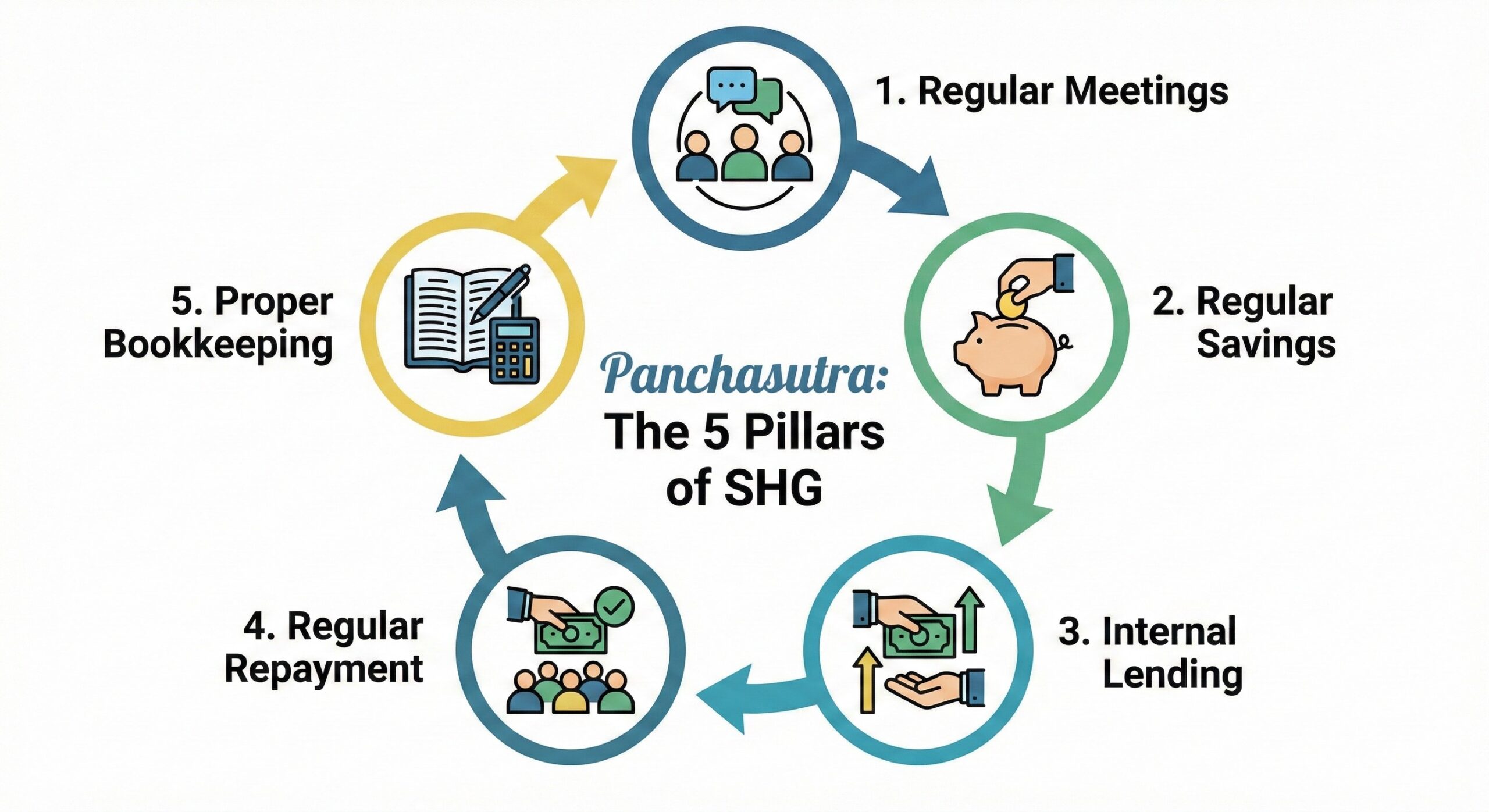
To qualify for the SHG bank linkage scheme 2026, a group must follow the Panchasutras (Five Principles) strictly for at least 6 months:
- Regular Meetings: The group must meet weekly or monthly without fail.
- Regular Savings: Every member must contribute a fixed amount (e.g., ₹50 or ₹100) in every meeting.
- Regular Internal Lending: The saved money should not sit idle; it must be lent to members who need it.
- Regular Repayment: Members who borrow must return the money to the group on time.
- Proper Bookkeeping: Minutes book, Savings register, and Loan register must be updated in every meeting.
Note: The group should be in “Active Existence” for at least 6 months before applying for a bank loan.
Step-by-Step Guide to Get an SHG Loan
Getting a loan is a systematic process. Follow this roadmap:
Step 1: Group Formation & Account Opening
Form a group of 10-20 members (preferably women) from a similar socio-economic background. Open a Savings Bank (SB) Account in the name of the SHG at the nearest bank branch.
Step 2: Grading (The Test)
After 6 months of operation, the bank or an NGO/Block official will conduct a “Grading” exercise. They check if you are following the Panchasutras. A good score is mandatory for the loan.
Step 3: Prepare the Micro Credit Plan (MCP)
This is the most important document. The group must sit together and list:
- Which member needs a loan?
- For what purpose (e.g., buying a cow, opening a kirana store)?
- How much will they repay monthly?
- Pro Tip: In 2026, banks prefer loans for income-generating activities over consumption.
Step 4: Loan Sanction
Submit the MCP and loan application to the branch manager. Under the SHG bank linkage scheme 2026, no collateral (security) is needed for loans up to ₹10 Lakhs.
Read More: Bachat Gat Loan Process 2026: Complete Guide & Smart Saving Tips for Indian Families
Documents Required for SHG Bank Linkage
Keep this paperwork ready to ensure a hassle-free process:
- Resolution Copy: A written resolution signed by all members authorizing the office bearers (President/Secretary) to apply for the loan.
- Inter-se Agreement: An agreement signed by all members stating they are collectively responsible for the loan repayment.
- Application Form: The standardized Common Loan Application form (available at the bank).
- Photos: Passport-sized photos of the authorized office bearers.
- KYC: Aadhaar/Voter ID of the office bearers. (Individual KYC of all members is usually not required for the loan if the SB account is already active).
- Grading Sheet: Proof of passing the grading exercise.
Lakhpati Didi Initiative: A Game Changer
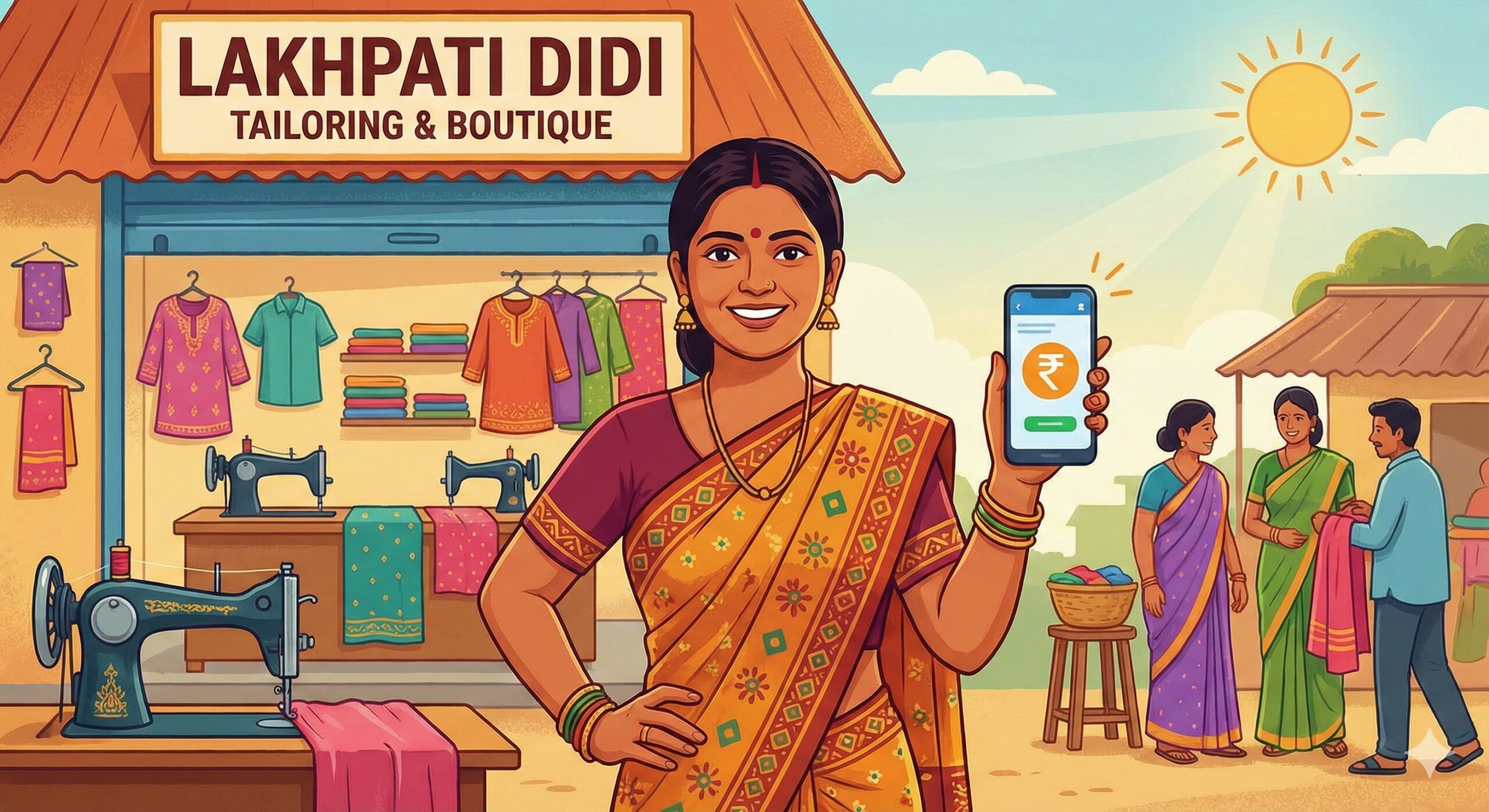
The Lakhpati Didi scheme is the buzzword for 2026. The government aims to create 3 Crore “Lakhpati Didis”—women who earn at least ₹1 Lakh per year sustainably.
How does SHG linkage help here?
- Higher Ticket Size: The scheme focuses on moving SHGs from small consumption loans to larger enterprise loans (₹5 Lakhs to ₹20 Lakhs).
- Skill Training: Linking with banks often opens doors to RSETI (Rural Self Employment Training Institutes) for free training in tailoring, beauty parlours, or organic farming.
- Market Connect: Linked SHGs get opportunities to sell products at Saras Melas and online platforms like GeM.
Digital Tools for Managing SHG Accounts (Neutral)
Modern SHGs are moving away from physical registers to digital bookkeeping.
- LokOS App: A government-backed app used by Community Resource Persons (CRPs) to digitize SHG data. Ensuring your data is updated on LokOS speeds up loan grading.
- Dual Authentication: For withdrawing money, many banks now allow “Dual Authentication” where two office bearers can authorize a transaction using their Aadhaar biometrics at a BC point, saving a trip to the branch.
FAQ Section
Q1: What is the maximum loan an SHG can get without collateral in 2026?
As per RBI guidelines, SHGs can avail loans up to ₹10 Lakhs without any collateral (security) or margin money. For loans between ₹10L and ₹20L, a credit guarantee cover (CGFMU) is available.
Q2: Can men also form SHGs for bank linkage?
Yes, men can form SHGs, but they typically do not get the Interest Subvention (3% subsidy) benefit. The subsidy is primarily targeted at Women SHGs under DAY-NRLM.
Q3: What if one member defaults on the payment?
In an SHG, the liability is joint and several. This means if one member fails to pay, the entire group is responsible for repaying the bank. This “Peer Pressure” is the secret to the scheme’s success.
Q4: How much interest do we have to pay?
For Women SHGs in eligible districts, if you repay promptly, the effective interest rate is 4% p.a. For others, it depends on the bank’s base rate, usually around 9-11%.
Q5: Can we take a second loan if the first one is running?
Yes, banks provide “Cash Credit (CC)” limits which operate like an overdraft. You can withdraw, repay, and withdraw again within the limit as long as you pay the interest monthly.
Q6: What is the “Corpus” mentioned in loan limits?
Corpus includes the group’s own savings, interest earned on internal lending, and any Revolving Fund (RF) received from the government.
Conclusion
The SHG Bank Linkage Scheme 2026 is far more than just a government policy or a loan facility; it is a movement of financial dignity and independence. For decades, rural women were confined to the shadows of the financial system, dependent on others for every small expense. Today, this scheme has handed the pen back to you, allowing you to write your own financial destiny.
With the new government guidelines raising loan limits to ₹20 Lakhs and slashing effective interest rates to 4% for eligible groups, the path to becoming a “Lakhpati Didi” is no longer a distant dream—it is a reachable reality. Whether you want to expand your tailoring shop, start a dairy farm, or launch a food processing unit, the capital is now waiting for you. The government and banks are no longer just lenders; they are your partners in progress.
However, money alone cannot change your life—discipline can. The success of your SHG depends entirely on how strictly you follow the “Panchasutras.” Regular savings and honest repayment are the heartbeat of this system. When one sister repays on time, she opens the door for another sister to borrow. This cycle of trust is what makes the SHG movement unstoppable.
Do not let the fear of paperwork or banking formalities hold you back. The system has been simplified for you. Visit your nearest bank branch, talk to the Bank Sakhi in your village, or consult your Block Mission Management Unit (BMMU) today. Take that first step. Remember, a journey of a thousand miles begins with a small monthly saving of just ₹10.
Disclaimer: The information provided in this article regarding the SHG Bank Linkage Scheme and Lakhpati Didi Initiative is for educational purposes only. Loan limits, interest rates, and eligibility criteria are based on the latest available DAY-NRLM and RBI guidelines (2025-26) but are subject to change.
BachatBook.in is not a government website and is not affiliated with any bank or ministry. We do not guarantee loan sanctions. Readers are advised to visit their nearest bank branch or contact their Block Mission Management Unit (BMMU) for official verification before applying.