
Introduction
In 2026, the Indian middle class and small business owners face a unique set of financial challenges. With headline inflation and the rising cost of everyday essentials—from milk and LPG to school fees—managing a household while running a small shop can feel like a constant balancing act. Many families find that despite earning a decent income, their savings at the end of the month remain stagnant.
However, financial freedom isn’t just about earning more; it’s about managing what you have with precision. Whether you are a salaried employee or a local retailer, understanding your tax obligations and daily expenses is the first step toward a stress-free life. Specifically, staying updated on GST filing for small shops 2026 is crucial for shopkeepers to avoid heavy penalties and claim legitimate tax credits that directly boost their bottom line.
This guide is based on common financial habits and challenges faced by Indian households. We will explore how small, disciplined changes in budgeting and tax compliance can lead to long-term stability. Remember, saving money is a marathon, not a sprint—and it starts with the small habits you build today.
Table of Contents
Why Saving Money Is Important in India
In the Indian socio-economic landscape, your savings are your strongest shield. Unlike some Western nations with extensive social security, in India, your financial health depends almost entirely on your personal planning.
Emergency Fund
Life is unpredictable. A sudden medical emergency, a vehicle breakdown, or a temporary dip in business sales can occur at any time. An emergency fund (typically 6 months of your monthly expenses) ensures you don’t have to borrow at high interest rates during a crisis.
Family Responsibilities
In 2026, the cost of quality education and healthcare is at an all-time high. For Indian families, saving for children’s higher education and marriage is a cultural and financial priority. Without early planning, these milestones can lead to significant debt.
Job and Business Uncertainty
With the rapid evolution of technology and changing market trends, no job or business is 100% immune to change. Savings provide the “breathing room” needed to upskill or pivot your business strategy without compromising your family’s daily needs.
Future Goals
Whether it’s buying a dream home, a car, or planning for a comfortable retirement, these goals require a disciplined accumulation of wealth over years.
Common Reasons Indians Fail to Save Money
Even with the best intentions, many Indians find it difficult to save. Identifying these traps is the first step to avoiding them.
- Lack of Budgeting: Many people spend first and try to save what is left. Usually, nothing is left.
- Impulse Spending: The convenience of UPI and “1-click” online shopping has made it easier than ever to spend on items we don’t truly need.
- EMI Overload: Buying gadgets, clothes, and cars on “No Cost EMI” might seem attractive, but multiple EMIs can lock up a huge portion of your monthly disposable income.
- Lifestyle Inflation: As soon as we get a salary hike or a business profit, we tend to upgrade our lifestyle immediately—moving to a bigger house or dining out more often—leaving no room for increased savings.
- Social Pressure: The need to “keep up with the neighbors” or host grand social events often leads to overspending.
Step-by-Step Monthly Budgeting Method
A budget is not a restriction; it is a roadmap for your money. Follow this simple method to take control:
1. Income Calculation
List all your sources of income. If you are a shopkeeper, use your average net profit (after business expenses). If you are salaried, use your take-home pay.
- Example: Monthly Income = ₹60,000
2. Identify Fixed vs. Variable Expenses
- Fixed Expenses: These are the same every month (Rent, School Fees, Insurance, EMIs).
- Variable Expenses: These change based on usage (Groceries, Fuel, Entertainment, Electricity).
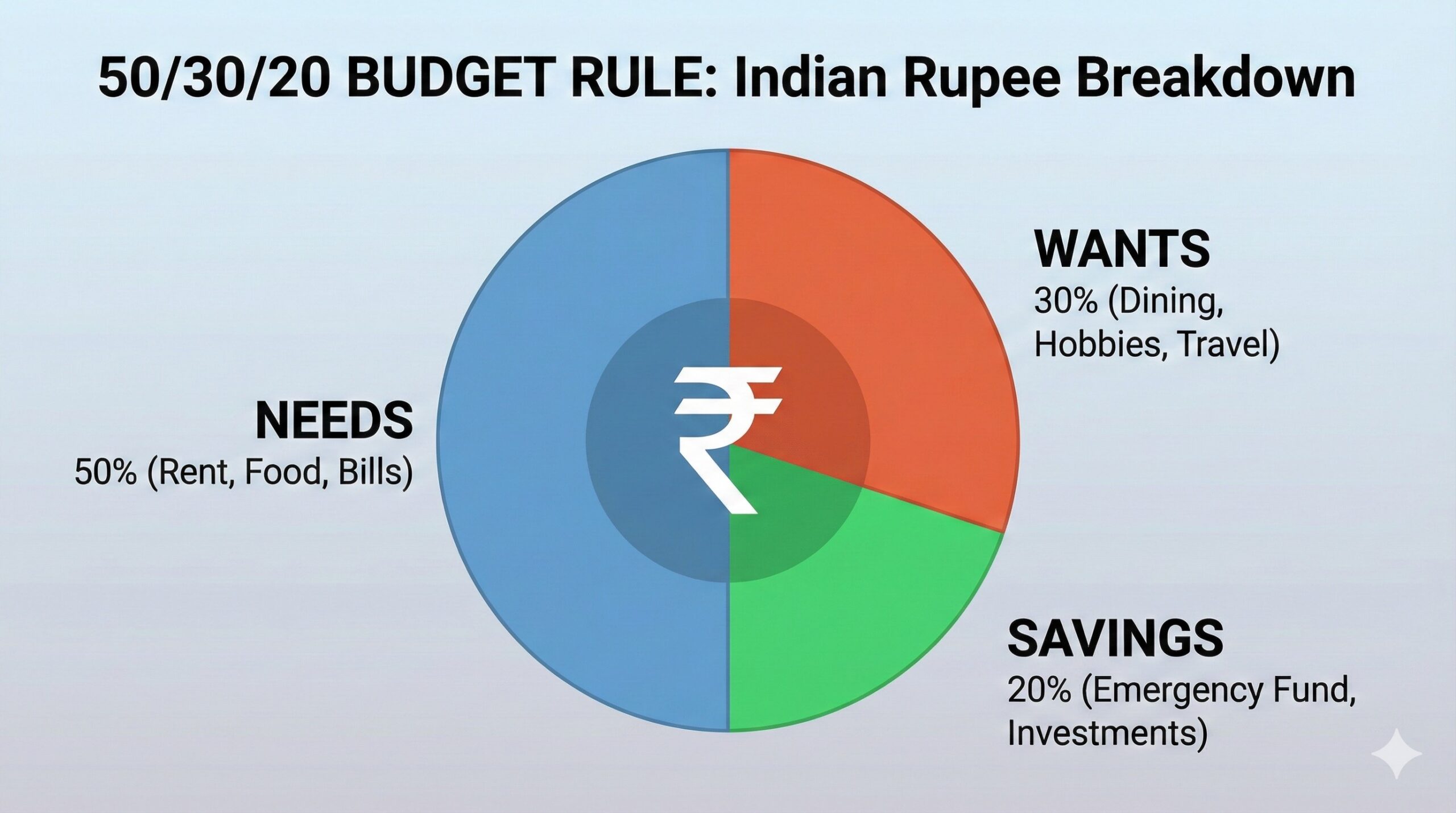
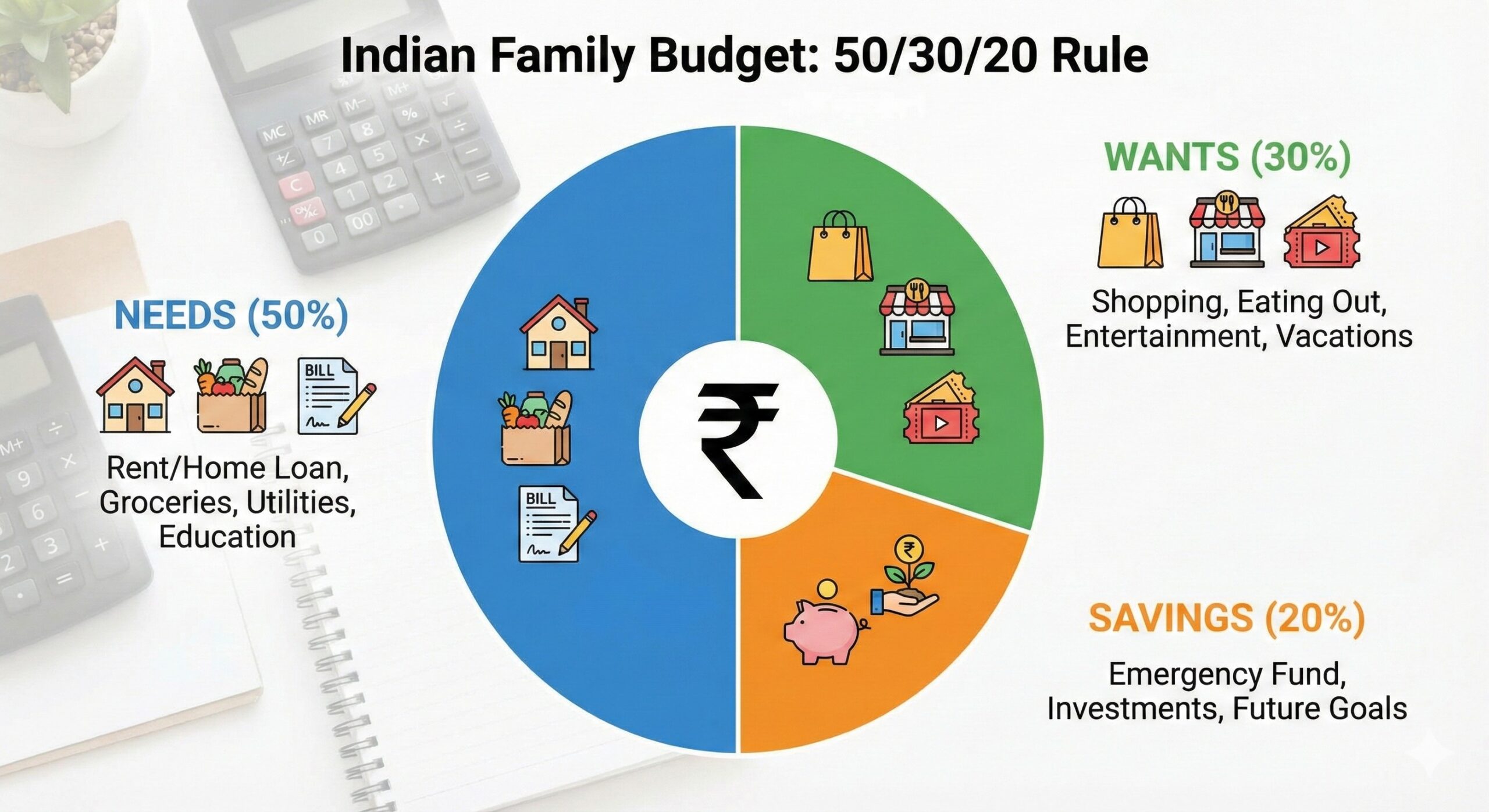
3. Apply the 50/30/20 Rule
This is a gold standard for budgeting:
- 50% for Needs: Essential groceries, bills, rent, and basic transport (₹30,000).
- 30% for Wants: Dining out, movies, hobbies, and gadgets (₹18,000).
- 20% for Savings: Putting money into an emergency fund, PF, or gold (₹12,000).
4. Track and Adjust
At the end of the month, compare what you planned with what you actually spent. Adjust the next month’s budget based on these findings.
Smart Money Saving Tips for Indian Households
Lowering your daily expenses is just as effective as earning more.
Grocery Savings
- Bulk Buying: Items like rice, pulses, and flour are much cheaper when bought in 5kg or 10kg packs from wholesale markets.
- Seasonal Produce: Buy fruits and vegetables that are in season; they are fresher and cost significantly less than off-season imports.
Electricity & Gas Savings
- LED Transition: Switch all old bulbs to LEDs. In 2026, energy-efficient appliances are a must to keep monthly utility bills under control.
- Induction Cooking: With fluctuating LPG prices, using an induction cooktop for small tasks like boiling water or milk can be more cost-effective.
Mobile & Internet Bills
- Plan Audit: We often pay for “unlimited” data that we don’t fully use. Review your family’s mobile usage and switch to annual plans, which often offer a 20% discount compared to monthly recharges.
GST Filing for Small Shops 2026: A Compliance & Savings Guide
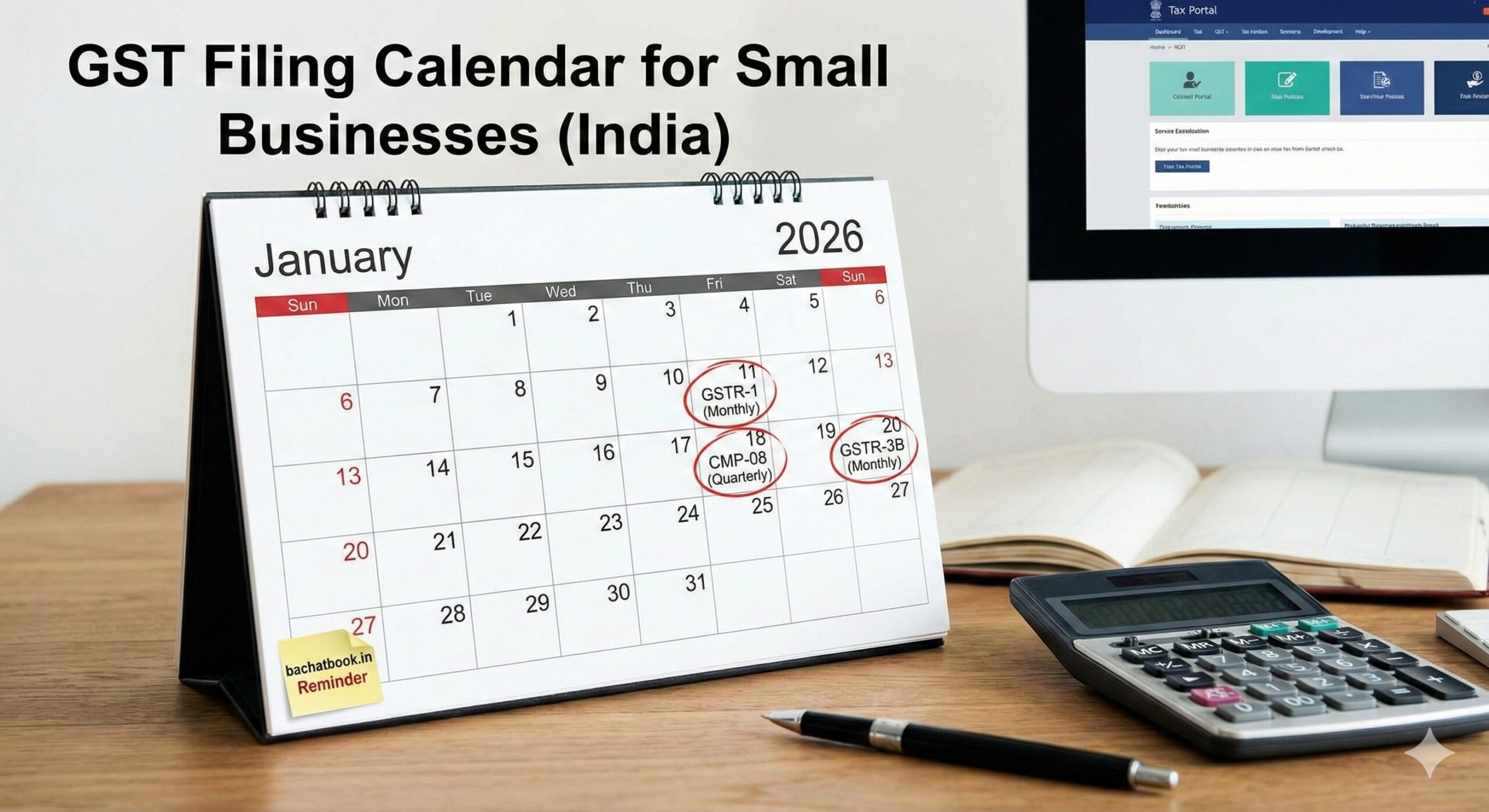
For small shopkeepers, GST is not just a tax; it’s a business discipline. In 2026, the GST portal has introduced stricter validations and automated checks, making it essential to stay compliant.
1. Know Your Threshold
In 2026, GST registration is mandatory if your annual turnover exceeds:
- ₹40 Lakh for suppliers of goods (₹20 Lakh in special category states).
- ₹20 Lakh for service providers (₹10 Lakh in special category states).
2. The Power of the Composition Scheme
If your shop’s turnover is below ₹1.5 Crore, you should consider the GST Composition Scheme. It is a major money-saver because:
- Lower Tax Rates: You pay a flat tax (usually 1% for traders) instead of high standard rates.
- Reduced Compliance: Instead of monthly returns, you file only one quarterly return (CMP-08) and one annual return (GSTR-4). This saves on accountant fees.
- Higher Liquidity: Since the tax rate is low and compliance is simple, you keep more cash in your business.
3. QRMP Scheme (Quarterly Return, Monthly Payment)
If you aren’t in the composition scheme but have a turnover up to ₹5 Crore, the QRMP scheme allows you to file returns quarterly while paying tax monthly. This reduces the paperwork burden significantly.
4. ITC Reconciliation: Don’t Lose Your Money
In 2026, the GST portal enforces stricter Input Tax Credit (ITC) verification. Always reconcile your purchases with your GSTR-2B. If your supplier fails to file their return, you cannot claim credit, which is essentially a loss of money for your shop.
<a name=”students-earners”></a>
Saving Money for Students & Young Earners
Starting early is the greatest financial advantage you can have.
- Pocket Money Management: Divide your monthly allowance into four weekly parts. This prevents you from being “broke” by the third week of the month.
- Use Student Discounts: In 2026, many apps, software providers, and public transport systems offer heavy discounts for students. Always use your ID card.
- Avoid Debt Traps: “Buy Now, Pay Later” (BNPL) schemes are popular, but they are debt in disguise. If you can’t afford it with the cash in your bank account, you can’t afford it.
Digital Tools That Help Save Money
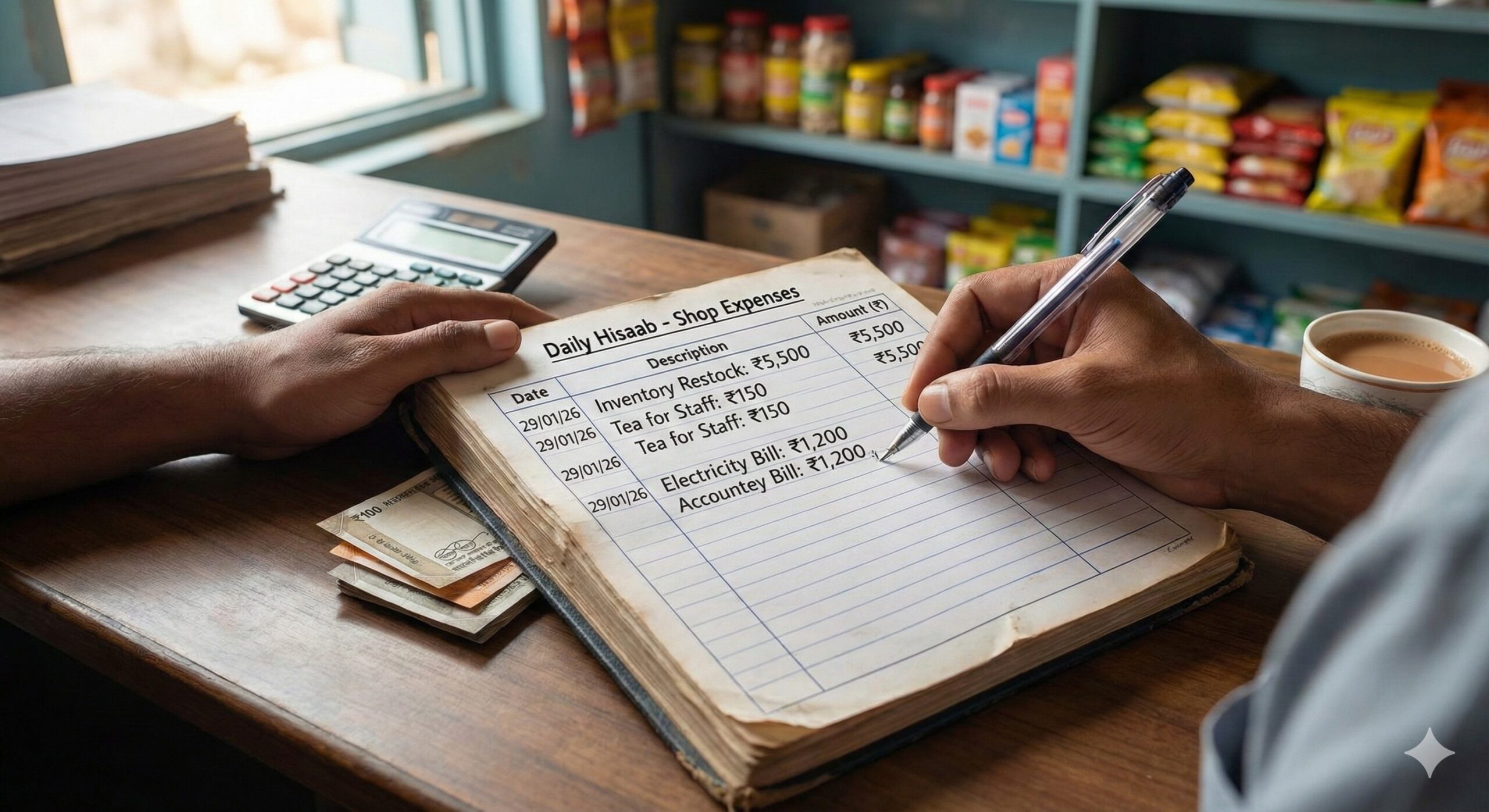
Technology is a double-edged sword—it makes spending easy, but it also makes tracking effortless.
- Expense Tracking Apps: Use simple, free apps to note down every expense. Seeing a pie chart of your spending at the end of the month is a powerful motivator to cut back.
- Bank Alerts: Ensure your SMS and email alerts are active for every transaction. This keeps you conscious of your dwindling balance in real-time.
- Price Comparison Tools: Before any major purchase, use browser extensions or apps to check the price history. Never buy during the first “sale” you see.
Long-Term Saving Habits Indians Should Build
- Discipline Over Intensity: Saving ₹2,000 every single month is better than saving ₹20,000 once a year. Consistency creates wealth.
- Goal-Based Saving: Give your savings a name—e.g., “House Downpayment 2028” or “Shop Expansion Fund.” You are less likely to touch this money for impulsive buys.
- The “24-Hour Rule”: For any non-essential purchase over ₹1,000, wait for 24 hours. Most of the time, the urge to buy will pass.
- Review Monthly: Sit down with your family on the 1st of every month to discuss the previous month’s spending and set a goal for the next.
Frequently Asked Questions (FAQ)
1. How much should I save monthly in India?
While the 20% rule is a good starting point, any amount saved is a victory. If your income is low, start with 5% and gradually increase it as your income grows or expenses reduce.
2. Is GST filing mandatory for a tiny kirana shop?
If your annual turnover is below ₹40 Lakh (and you don’t do interstate sales or e-commerce), you generally don’t need to register for GST. However, check local state rules for 2026 as thresholds can vary.
3. Is budgeting necessary for people with low income?
Budgeting is more critical for low-income earners. When every rupee counts, a budget ensures that essential needs are met first and prevents the cycle of debt.
4. How can families save money easily?
The easiest way is to cut “invisible leaks.” Small spends like multiple streaming subscriptions, daily gourmet coffee, or excessive mobile data plans can add up to ₹5,000+ per month.
5. What is the biggest money mistake Indians make?
Prioritizing “social status” over “financial security.” Investing in a luxury car or a grand wedding on borrowed money is a common pitfall that delays financial freedom by years.
6. What happens if I miss GST filing for small shops 2026?
Late fees are now automatically calculated. In 2026, there is a 3-year hard stop; if returns are not filed for 3 years, the system may permanently block your GSTIN, making business operations difficult.
Conclusion
Building a secure financial future in India requires two things: awareness and action. By staying informed about GST filing for small shops 2026, you protect your business from legal hurdles. Simultaneously, by adopting a disciplined monthly budget, you ensure your family is prepared for both opportunities and emergencies.
Saving money doesn’t mean you stop living; it means you start living with intention. Focus on your habits, not just your income. Whether you save ₹100 or ₹10,000 today, you are one step closer to a bachat-friendly, stress-free life.