
Introduction
In the current financial landscape of India, your credit score is much more than just a three-digit number; it is a digital report card of your financial reliability. As we navigate through 2026, the importance of maintaining a healthy credit profile has become critical for middle-class families, salaried professionals, and even students planning for the future. Whether you are dreaming of buying your first home, applying for a car loan, or simply want financial security, a good CIBIL score is the key that opens these doors.
However, life in India can be unpredictable. Unexpected medical bills, job market fluctuations, or simple unawareness about credit rules can sometimes lead to missed payments, causing your score to drop. If you are struggling with a low score, you are not alone, and more importantly, this situation is not permanent.
This guide on CIBIL Score Repair 2026 is designed to provide you with honest, practical, and safe strategies to rebuild your creditworthiness. We will move away from myths and “quick fixes” to focus on sustainable habits that improve your financial health for the long term.
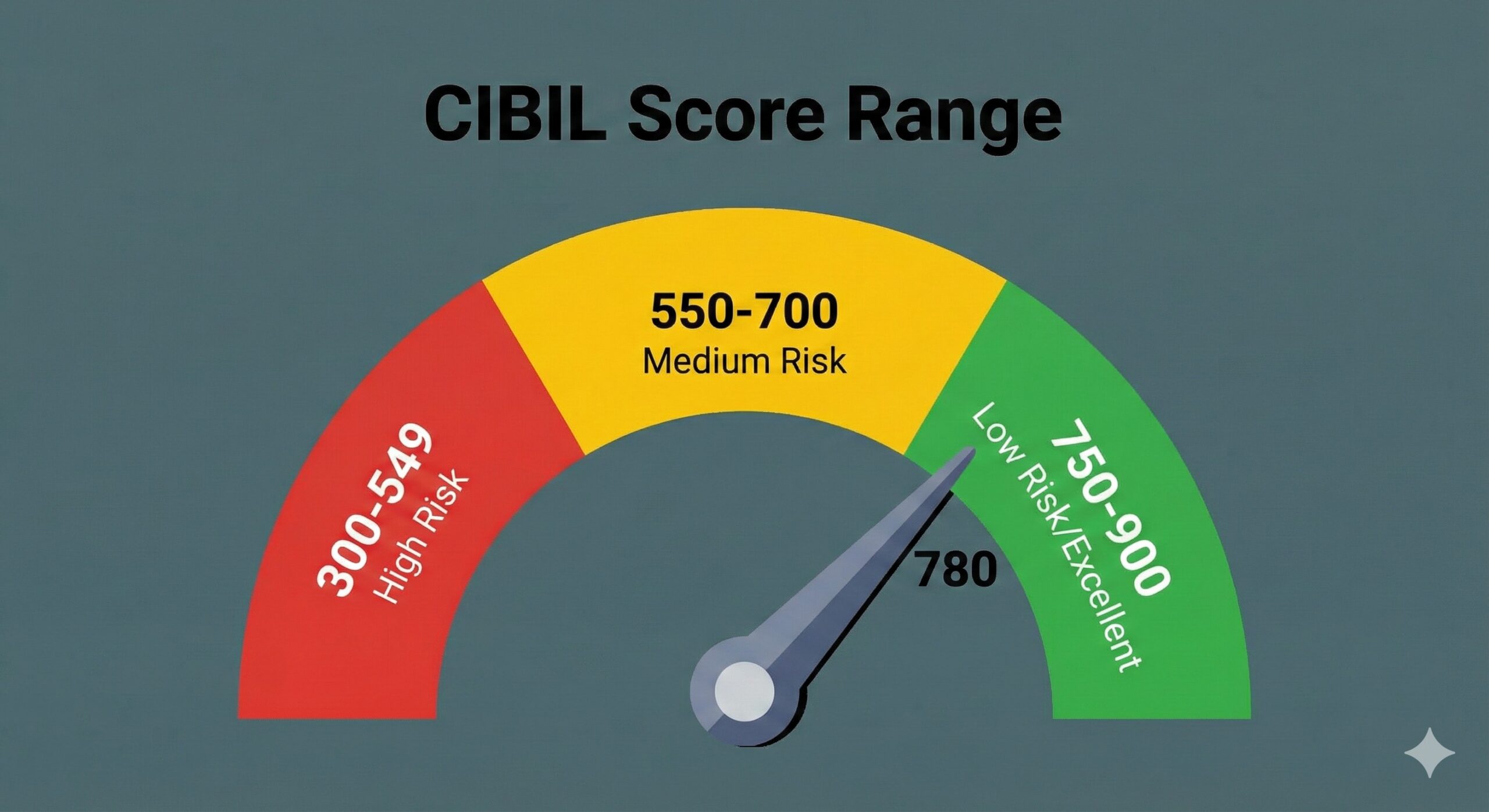
Table of Contents
What is a CIBIL Score and Why It Matters in 2026
Before attempting to fix your score, it is essential to understand what it represents. In India, the Credit Information Bureau (India) Limited (CIBIL) is one of the leading credit information companies. They collate data from banks and lenders to generate a score ranging from 300 to 900.
- 300–549: Needs immediate attention (High Risk)
- 550–700: Average, requires improvement (Medium Risk)
- 750–900: Excellent (Low Risk)
Why is this score crucial today? Banks use this score to evaluate “Creditworthiness”—essentially, how risky it is to lend you money. In 2026, a high score can help you:
- Secure loans (Home, Personal, Car) with faster approvals.
- Negotiate lower interest rates, saving you thousands of rupees in EMIs.
- Access premium credit cards with better rewards.
- Pass background checks for certain jobs in the banking and finance sector.
Common Reasons Why CIBIL Scores Drop
To effectively start your CIBIL score repair journey, you must diagnose the problem. In the Indian context, scores usually drop due to specific financial behaviors:
- Late or Missed Payments: This is the most significant factor. Missing an EMI or paying your credit card bill after the due date negatively impacts your repayment history.
- High Credit Utilization: If you consistently use more than 30% of your credit card limit, banks view this as “credit hunger,” which can lower your score.
- Loan Settlements: If you negotiate with a bank to pay a lower amount to close a loan (Settlement), it is flagged as “Settled” rather than “Closed.” This is a negative marker.
- Multiple Hard Inquiries: Applying for too many loans or credit cards in a short span leads to multiple “hard inquiries” by lenders, reducing your score.
- Errors in the Report: Sometimes, the fault isn’t yours. Administrative errors, such as a paid-off loan still showing as active, can hurt your score.
How to Check Your Credit Report for Errors
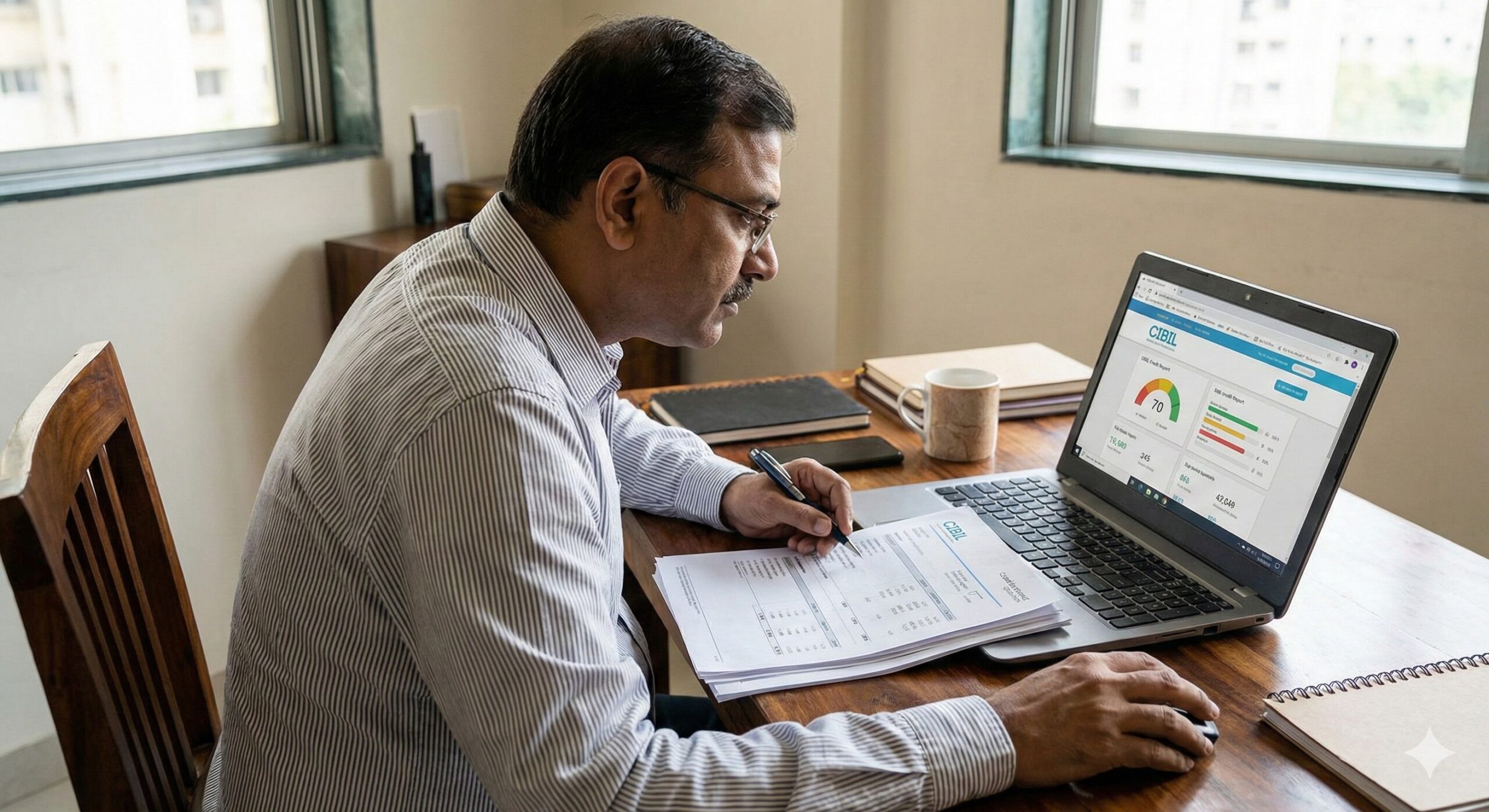
One of the most effective ways to begin repairing your score is to ensure your report is accurate. In 2026, accessing your report is digital and instant.
- Download Your Free Report: Indian citizens are entitled to one free full credit report annually from credit bureaus. You can access this via the official CIBIL website or reputable banking apps.
- Review Personal Information: Check for typos in your name, PAN, or address. “Identity mixing” happens when someone else’s loan data is wrongly attached to your file due to similar names.
- Verify Account Status: Ensure all your closed loans are actually marked as “Closed” and not “Active.”
- Identify Unauthorized Accounts: If you see a loan you never took, report it immediately.
How to Fix Errors: If you find a discrepancy, you must raise a Dispute on the bureau’s website. The bureau will contact the respective bank for verification. This process typically takes 30 days, but correcting an error can result in an immediate score boost.
Step-by-Step Guide to Repair Your CIBIL Score
Improving your credit score is a process that requires patience and discipline. There are no magic wands, but these steps are proven to work:
1. Regularize Your Payments
If you have overdue EMIs or credit card bills, pay them immediately. Recent payment history carries significant weight. Ensure that moving forward, every single payment is made on or before the due date.
2. Avoid “Settling” Accounts
While it might be tempting to pay a smaller amount to get the collection agents off your back, a “Settled” status stays on your report for years. Always aim to pay the full amount due to get a “Closed” status, which is positive for your history.
3. Keep Old Credit Cards Active
The “age of credit history” matters. If you have an old credit card that you have managed well for 5+ years, do not close it even if you don’t use it much. A longer credit history builds trust with lenders.
4. Limit New Credit Applications
Stop applying for new loans or credit cards while you are in the repair phase. Every rejection further dents your score. Wait until your score improves before applying again.
Managing Debt: The Snowflake and Avalanche Methods
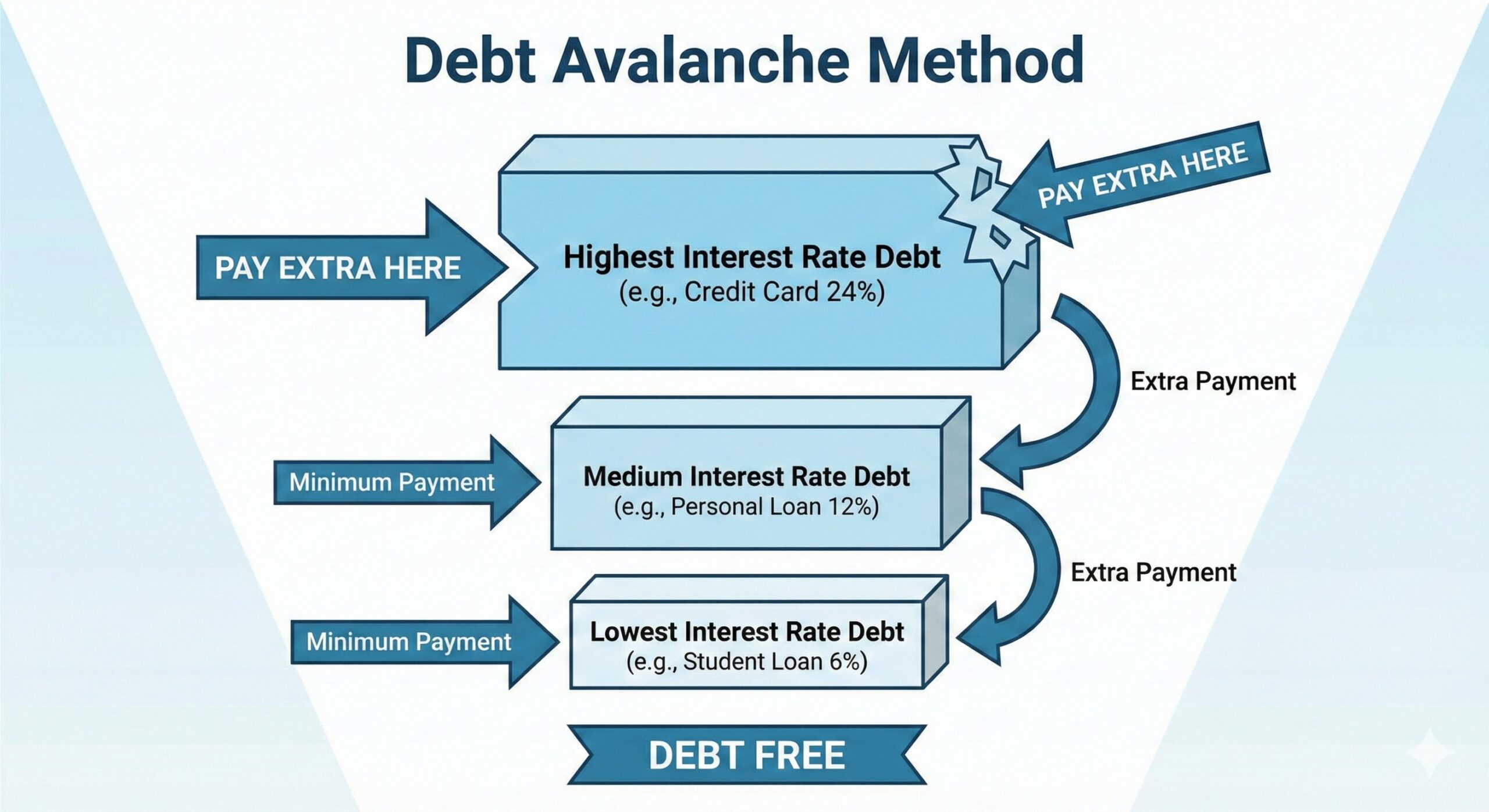
For many Indians, the root cause of a low score is unmanaged debt. Here are two educational strategies to clear debt efficiently:
- The Avalanche Method: List all your debts. Focus on paying off the loan with the highest interest rate first (usually credit cards or personal loans) while paying minimums on others. This saves you the most money on interest.
- The Snowball Method: Focus on paying off the smallest debt amount first. The psychological win of closing one loan account can motivate you to tackle the larger ones.
Choose the method that suits your mindset and financial situation best.
Understanding Credit Utilization Ratio
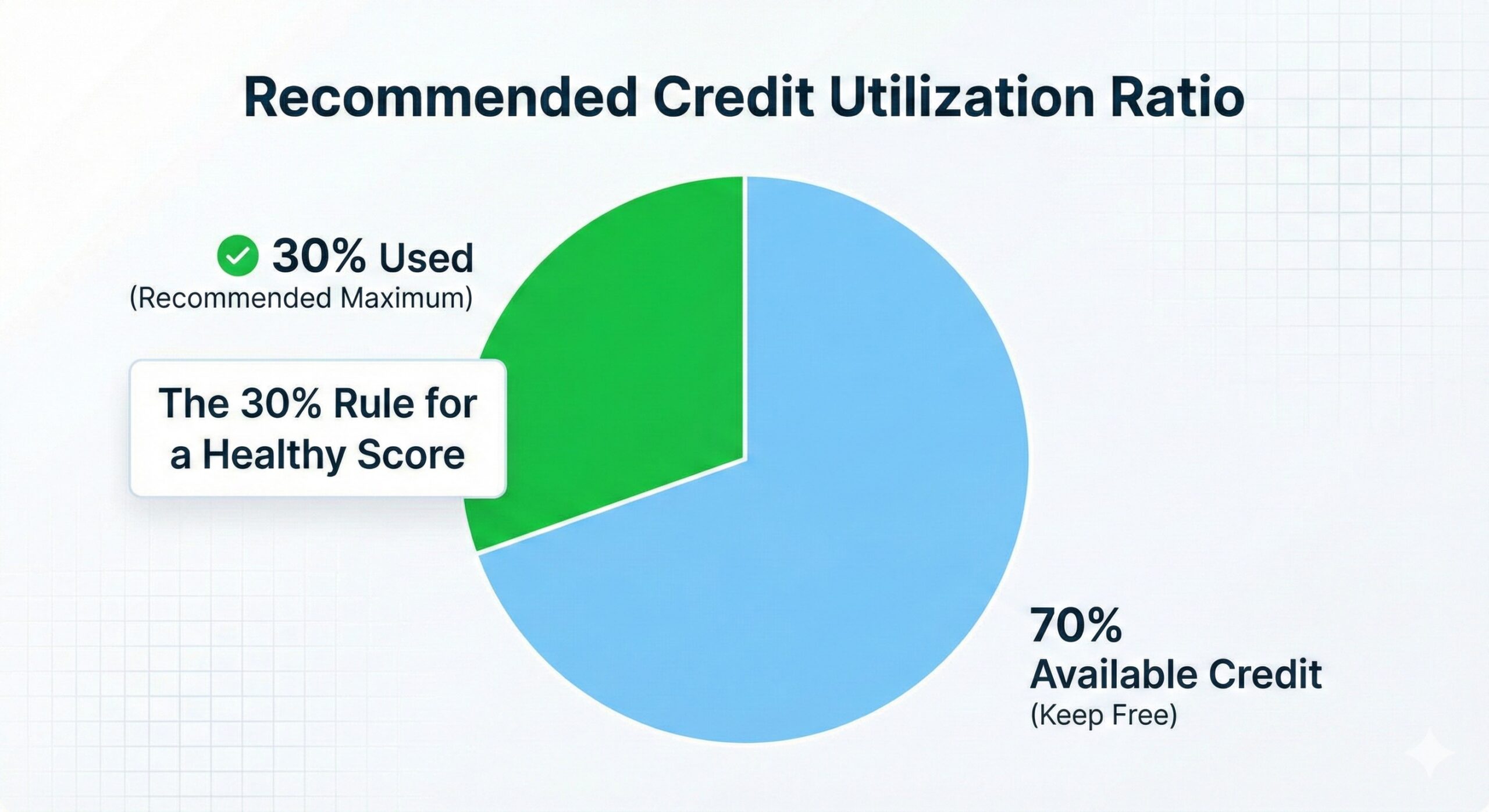
Your Credit Utilization Ratio is the percentage of your available credit limit that you are currently using.
- Example: If your credit card limit is ₹1,00,000 and you spend ₹50,000, your utilization is 50%.
- The Golden Rule: Try to keep your utilization below 30%.
If you frequently cross this limit but pay in full, consider asking your bank to increase your credit limit. If your limit goes up to ₹2,00,000 but your spending stays at ₹50,000, your utilization drops to 25%, which is excellent for your score.
Good Financial Habits for a Better Future

CIBIL score repair is not just about fixing past mistakes; it is about building a secure future.
- Automate Payments: Set up auto-debits for your EMIs so you never miss a date due to forgetfulness.
- Build an Emergency Fund: Save 3-6 months of expenses in a separate account. This ensures that even in a crisis, you can continue paying your EMIs without defaulting.
- Monitor Regularly: Check your credit score every 3 to 6 months to track your progress.
- Mix of Credit: A healthy mix of secured (home/auto loan) and unsecured (credit card) loans is viewed positively, but never take a loan just to improve this mix.
Frequently Asked Questions (FAQs)
Q1: How long does it take to repair a CIBIL score? It is not instant. Depending on the severity of the past issues, it can take anywhere from 6 to 12 months of disciplined repayment to see a significant improvement in your score.
Q2: Can I pay someone to remove bad history from my CIBIL report? No. Be very careful of agencies promising to “erase” your bad history for a fee. Accurate negative information (like missed payments) cannot be legally removed until a specific time period has passed. Only incorrect errors can be removed.
Q3: Does checking my own CIBIL score lower it? No. When you check your own score, it is considered a “Soft Inquiry” and has zero impact on your score. It is a good habit to check it periodically.
Q4: I have no credit history (Score -1 or 0). Is that bad? It is not “bad,” but it means banks don’t know your behavior. To build a score, consider taking a small consumer loan or a secured credit card (against a Fixed Deposit) and paying it back regularly.
Q5: What is the minimum score needed for a home loan in India? While it varies by bank, a score of 750 or above is generally considered safe for home loan approval with favorable interest rates.
Q6: Will closing a credit card improve my score? Ironically, it might lower it. Closing a card reduces your total available credit limit, which might increase your utilization ratio. It also shortens your average credit history age.
Conclusion
Repairing your CIBIL score in 2026 is a journey of financial maturity. It requires honesty about your spending, discipline in your repayments, and patience to let the results show. Remember, a high credit score is a byproduct of good financial habits.
Don’t let a low score dishearten you. By following the steps outlined in this guide—checking for errors, reducing debt, and maintaining low utilization—you can steadily climb back to a score of 750+. Start today, take control of your finances, and build a reputation that banks trust.
Ready to take the next step? Start by downloading your report today and identifying one small debt you can clear this month.
Disclaimer: The content provided in this article is for educational and informational purposes only. It does not constitute professional financial advice. For specific financial concerns, please consult a certified financial advisor or contact your bank directly.