
Introduction
Financial Literacy for Women in Rural India: What does it mean? In other words, it means the capacity of village and rural women to comprehend about their money in a sense that they can handle and secure them independently. It means knowing how to have a bank account and operate it, using an ATM unafraid, understanding UPI payments as well as spotting different financial frauds.
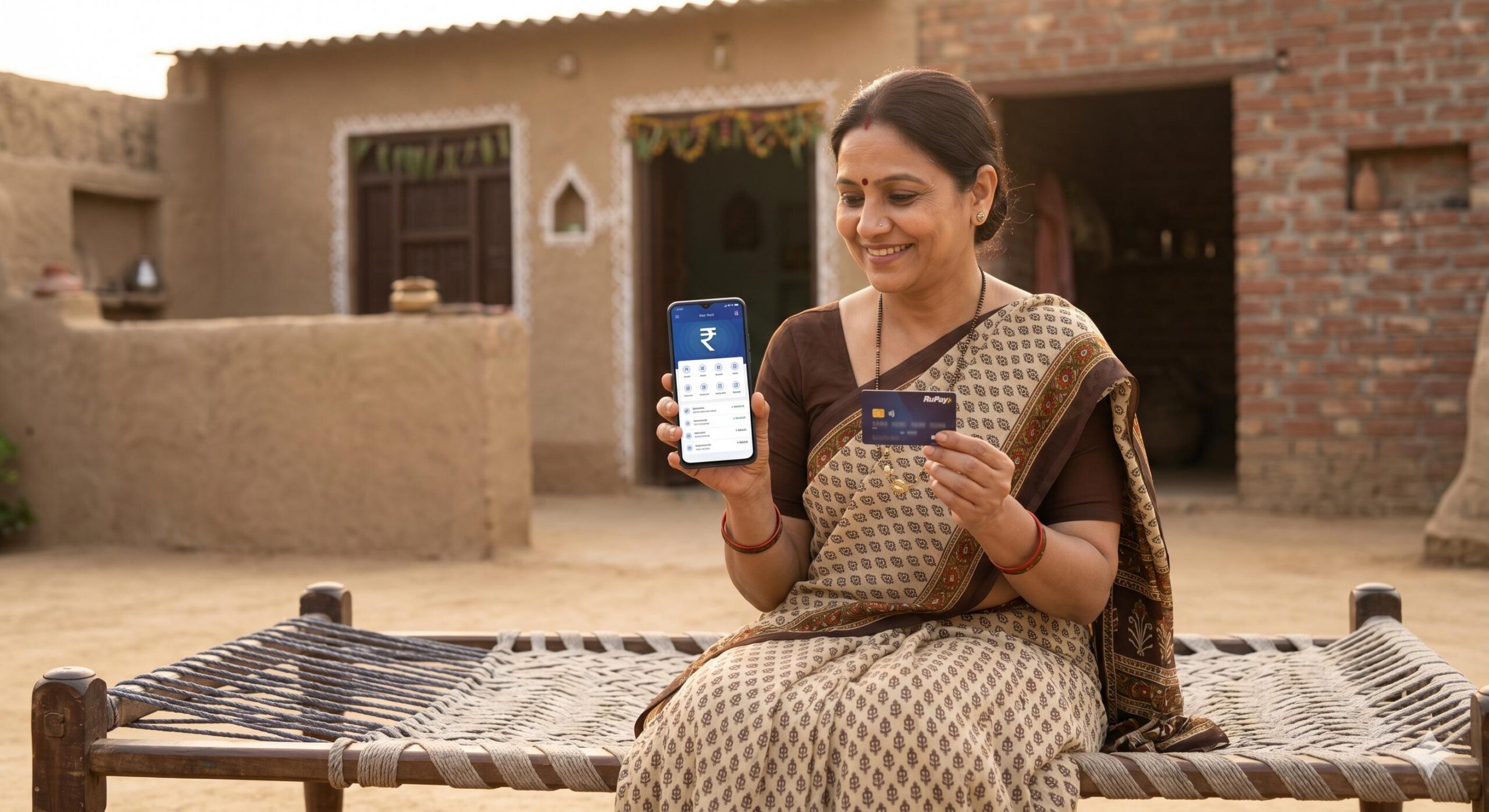
Rural Indian women have been managing with fewer resources for generations. But, in reality, most of the banking transactions and important financial decisions were often handled by male family members. However, true financial literacy for women leads to an economic transformation by giving them the knowledge and resources necessary to manage their money safely. At bachatbook. at we know that if a woman is financially literate, the future of the whole family is secure.
Disclaimer: This article and the content available through this article are for informational purposes only, always consult a professional before making any decision regarding your finances. Disclaimer: This post is for information purposes only and should not be taken as financial advice, always refer to a certified advisor or official bank representative for financial decisions.
Table of Contents
The Hidden Risks of Financial Ignorance
To better understand financial literacy for Women in Rural India, we will start from what happens when there is no financial literacy. Women elsewhere in rural communities have had to depend on local agents, distant relatives or informal money lenders to deposit cash or withdraw funds. Then there being such a huge dependency creates an even bigger risk to security.
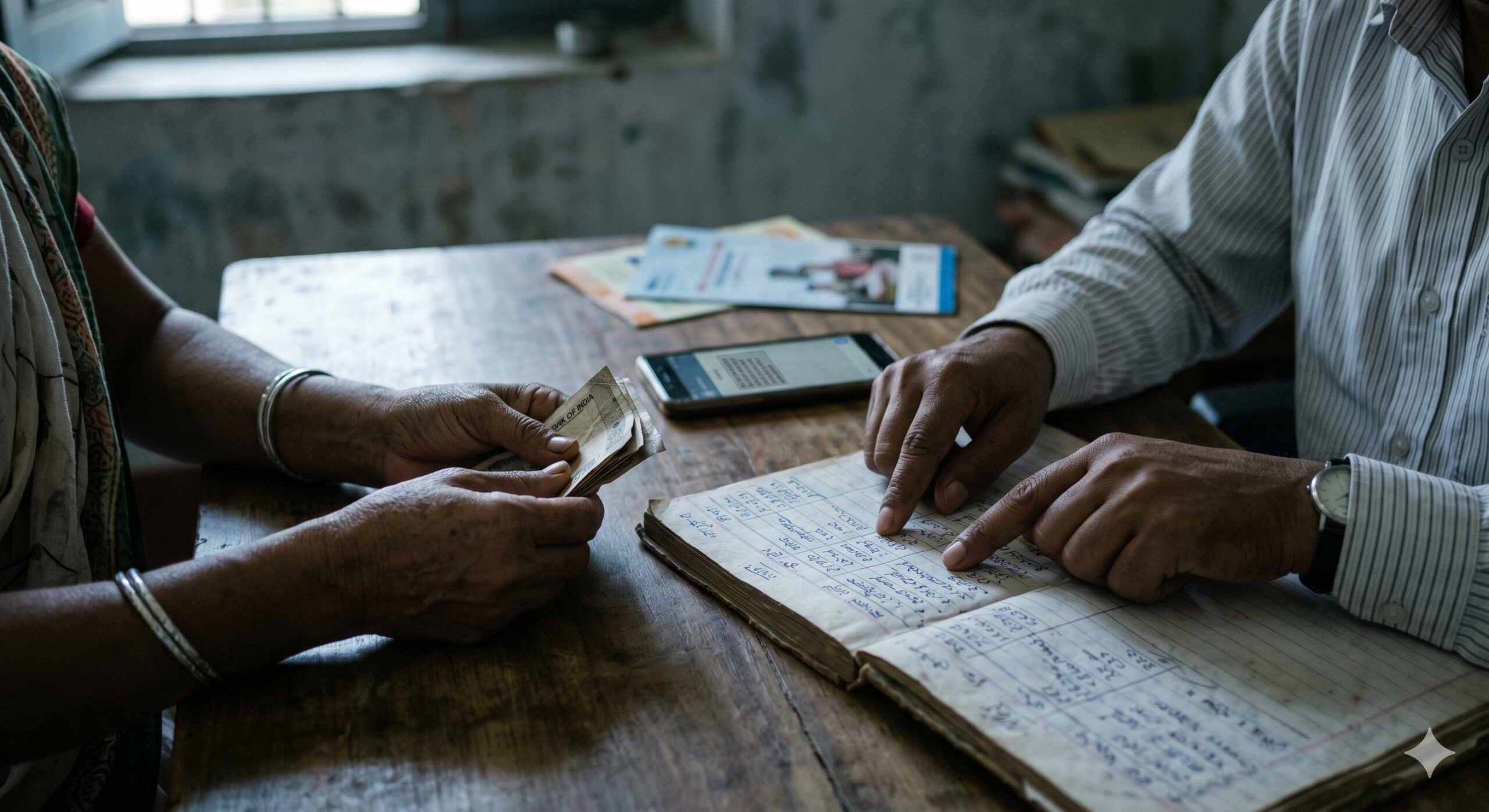
Due to a lack of financial literacy among women, they are most susceptible to local fraud. Most of the times fraudsters reach rural areas to lure with bogus chit funds or micro-finance schemes which offers to double your money. Moreover, as smartphones penetrate deeper into Indian society, these women also become vulnerable to cyber-security threats owing to poor financial literacy. They are most vulnerable to receive phishing phone calls or lottery scams, and they will be all in on revealing an OTP out of fear. Just a slight ignorance can transform an helpful smart device into a instrument of fiscal destruction.
The Financial Impact: How Lack of Awareness Leads to Losses
The direct costs of these risks to Indian middle-class families and rural households are shocking. One misstep — like confiding your debit credit PIN to one unsuitable one, or parting with cash that is unrecored for the nearby commission — can obliterate years of reserve funds.
When a rural household loses savings, it’s not just about losing privileged consumption, you slow down your child’s education, or are left impotent to seek timely treatment for medical emergencies. More dangerously, it often has a family snowballing into debt. Rural women who do not understand formal banking systems may end up borrowing from local, unregulated moneylenders at exorbitant interest rates.
Thus, financial literacy for women in rural India is not about making profits as such but mainly concern with an absence of losses and the preservation of existing money. Understanding these dire consequences is a foundational step on the journey to creating a financially secure household.
Prevention Habits: Securing Your Money and Data
To prevent these financial losses, it is necessary to build strong, daily habits. Here is how rural women, with the help of their families, can practice robust financial safety:
- Maintain Individual Accounts: While joint accounts are common, having an individual bank account gives a woman full control and tracking over her own savings.
- Keep Banking Details Private: Never share your ATM PIN, UPI PIN, bank passbook, or Aadhaar details with strangers, unofficial agents, or even shopkeepers. If you need assistance at an ATM or a bank branch, only ask official bank employees.
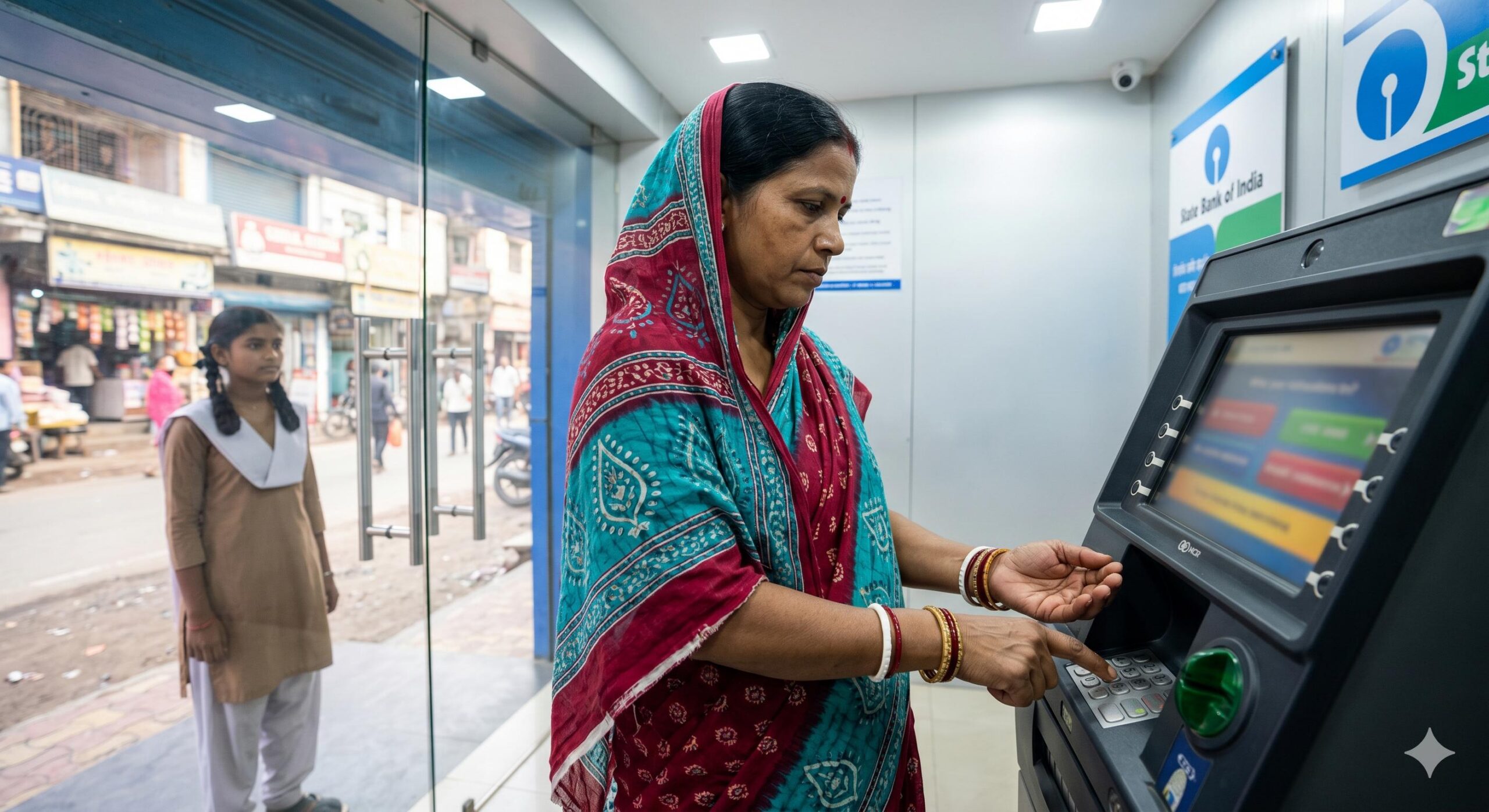
- Beware of the “OTP Trap”: A golden rule of financial safety is that banks or government officials will never call to ask for an OTP. If a caller claims your account will be blocked unless you share a code, disconnect immediately.
- Avoid Unregistered Local Schemes: Say a strict “no” to local committees or schemes that promise unusually high returns in a short period. Always prefer depositing money in trusted public sector banks or local post offices.
- Secure Mobile Devices: Lock your smartphone with a PIN. Do not click on unknown WhatsApp links promising free gifts or government funds, as these are common data-theft tactics used to access your phone.
Smart Money Behavior for Everyday Life
But, apart from the literacy discussions, what true financial literature for women in rural India needs is smart daily money management. After the protection from fraudulent plays, the next goal is how to manage it right and make things stable for future financial security.
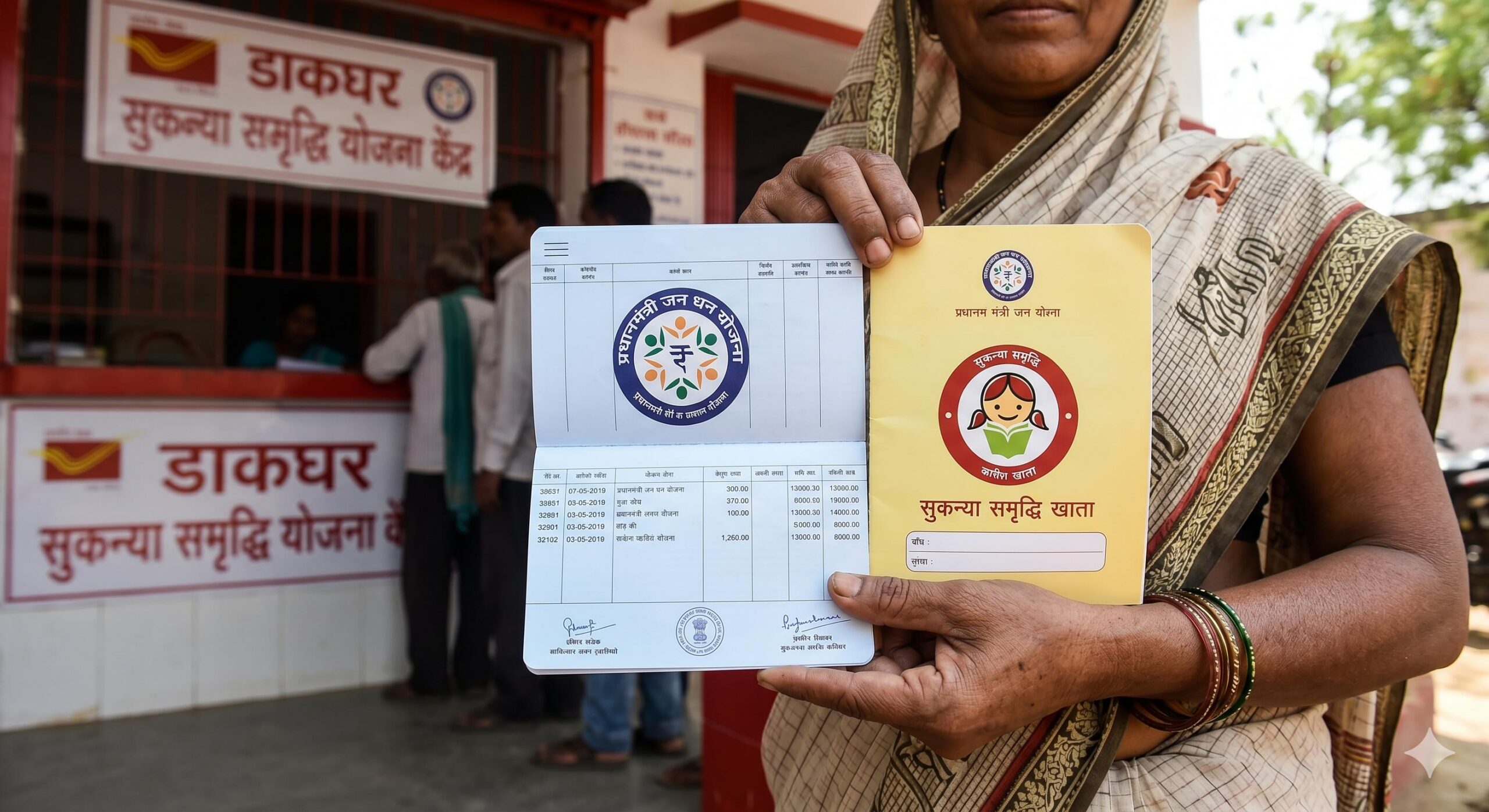
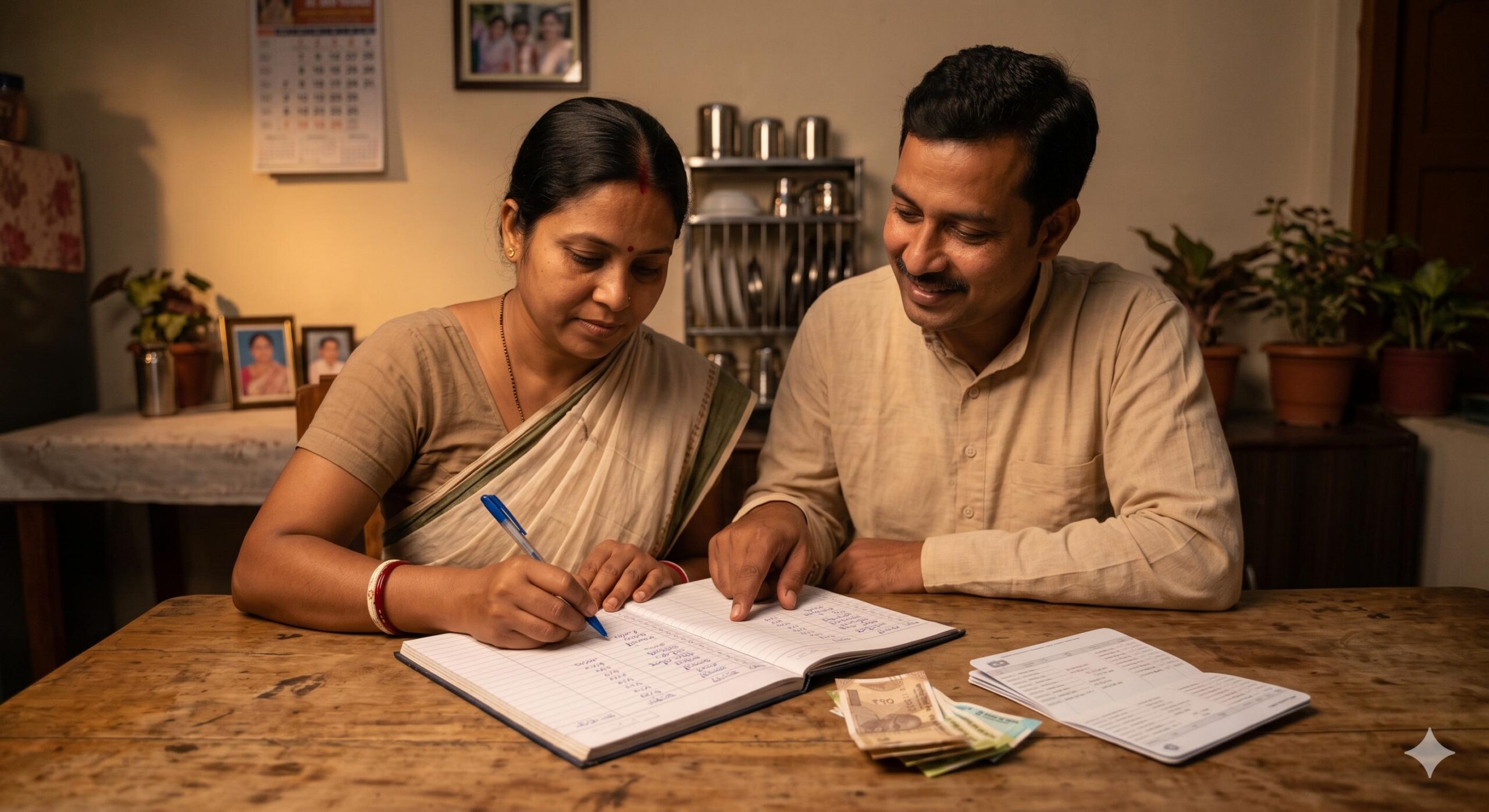
First, create a simple monthly-wide budget on paper. The first thing to do is to jot down every rupee coming in the house, and you spend there. This very act exposes a lot of spendings which are unnecessary and we can save. Saving even a little, like ₹100 or ₹500 every month goes a long way in forming an essential emergency fund over time.
Additionally, we must be directed to use safe savings approaches by the government. There are various schemes like the Pradhan Mantri Jan Dhan Yojana which provides zero-balance bank accounts resulting in formal banking being more accessible. If the family has a girl child, Sukanya Samriddhi Yojana knowledge and opening an account can save the amount for her future education and marriage. Prioritizing these risk-free channels enables rural women to assert control over their household finances.
A Complete Women’s Financial Independence Guide in India: Securing Your Future and Money
Frequently Asked Questions (FAQs)
1. Why is financial literacy for women in rural India so important? Financial literacy is crucial because it allows rural women to manage their household money independently and safely. It empowers them to use formal banking channels, avoid dangerous local money lenders, and protect their hard-earned savings from modern digital scams and local chit-fund frauds.
2. What are the safest ways for rural women to save money? The safest ways to save money are through regulated, government-backed channels. Opening a basic savings account under the Pradhan Mantri Jan Dhan Yojana or using Post Office Savings schemes are highly secure options. It is always advised to avoid unregistered local committees or agents who promise to “double” your money quickly.
3. How can rural women protect themselves from mobile banking and OTP frauds? The most effective way to prevent mobile fraud is to remember one strict rule: Banks, police, or government officials will never call to ask for your OTP or ATM PIN. Women should be taught never to share these details over a phone call, never to click on unknown WhatsApp links offering free gifts, and to only seek banking help from official bank branch employees.
4. What is the first step to building financial awareness in a village? The first step is practical experience. Opening an individual bank account in her own name gives a woman confidence. From there, learning how to securely deposit cash, update a bank passbook, and write down a basic daily household budget on paper are the foundational steps to financial independence.
5. How can families help improve financial literacy for rural women? Students and salaried family members can play a big role by patiently teaching the women in their homes how to use smartphones safely. Guiding them on how to check account balances, explaining the dangers of phishing calls, and involving them in major family financial decisions helps build lasting financial confidence.
Conclusion
Enhancing Women ‘s Financial Literacy in Rural India is a long journey which starts from home. If you are a student telling your mother about how to find out what her balance in the bank is on the phone without endangering herself or you are from a salaried family, teaching your family friends in the village to switch over their savings accounts into individual accounts, well, then this pitch is for you. At bachatbook.
In, our goal is to create a financially literate society where every family has the awareness of how to protect and manage their wealth. It can help rural women to truly gain their financial independence and anchor the family’s future safely just by taking caution, being aware continuously and having smart budgeting habits.