

Introduction
SHG Meeting Rules Explained, If you are in a Self-Help Group (SHG) of India or intend to join one, the way group meetings work is crucial for your safety. So, what are the actual rules? Understanding what SHG meeting rules mean — explains to you the code of conduct that members have follow without exceptions during their weekly – fortnightly gatherings. Common rules include compulsory participation, timely collection of a fixed amount for savings, open discussion before giving out an internal loan and enforcing agreed-on fines if one is absent or pays late while also having passbooks updated in real time.

Adherence to these meeting rules ensures that the SHG is able to provide complete financial transparency, promote strict discipline and safely safeguard the assets (savings of each participating individual). Knowing these rules is not only hosting a party; however, it lays down the basics necessary for you to safeguard your finances from unscrupulous handling. Now, let us take a closer look at each of these rules, the dangers ignoring them can lead to, and how you can keep your money safe within your group.
Disclaimer: The information published on BachatBook. in does not constitute professional financial advice, and is available for informational purposes only. Never invest your money before speaking to a qualified financial professional.
Table of Contents
The Essential SHG Meeting Rules
To keep the group’s funds safe and operations smooth, every SHG must have a clear set of meeting rules. When you have these rules in place, nobody can take unfair advantage of the group’s money.
- Regularity and Punctuality: Meetings must be held on a fixed date, time, and place (weekly, fortnightly, or monthly). Members who arrive late are often subject to a small, pre-decided penalty.
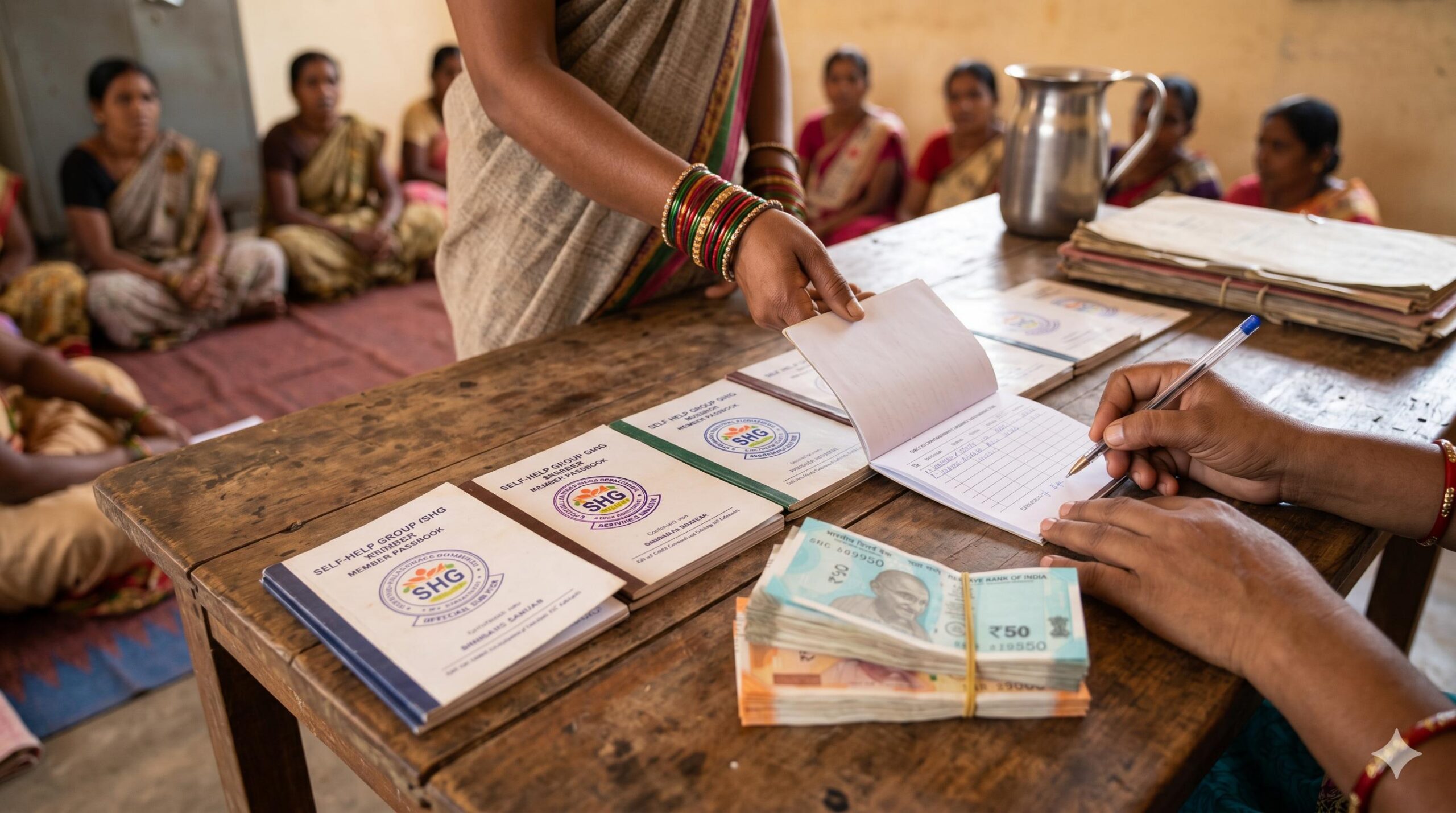
- Mandatory Savings Collection: Before any other discussion takes place, every member must deposit their fixed savings amount. This builds the group’s financial pool.
- Transparent Record Keeping: The Secretary or bookkeeper must update the Cash Book, Ledger, and individual member Passbooks right there in the meeting, in front of everyone.
- Democratic Loan Approvals: If a member needs a loan, they must request it during the meeting. The group decides together whether to approve the loan based on the member’s past repayment history and the urgency of their need.
- Fines and Penalties: Strict rules dictate that anyone missing a meeting, skipping a savings deposit, or delaying an EMI repayment must pay a fine. This keeps the discipline intact.
The Hidden Risks of Ignoring Meeting Rules
Whenever money is pooled together, there is an element of risk. If a group fails to enforce its rules, it creates an environment ripe for financial mismanagement and fraud.

For instance, if members start missing meetings without paying fines, the discipline of the group breaks down. If the cash book is updated “later at home” instead of during the meeting, it opens the door to data manipulation or theft. Sometimes, dominant members might bypass the democratic process to sanction large loans to themselves or their relatives. Without strict adherence to the rules, your group is vulnerable to internal fraud, where a member might simply take a large loan and disappear, leaving the rest of the group to cover the loss.
The Financial Impact of Poor Group Discipline
When SHG meeting rules are broken, the financial impact on Indian middle-class families and salaried employees can be devastating.
Firstly, you risk losing the hard-earned money you have diligently saved month after month. Secondly, poor internal discipline leads to bad debt. If members default on their internal loans, the group’s central fund dries up.

Furthermore, banks in India evaluate the meeting minutes and financial registers of an SHG before approving major group loans. If your registers show poor meeting attendance, skipped savings, and delayed loan repayments, your group will lose its bank linkage. This means missing out on government subsidies and affordable credit meant to empower your family.
Prevention Habits to Protect Your SHG Funds
Financial safety requires active participation. To protect your group’s money, every member must adopt strict preventive habits:
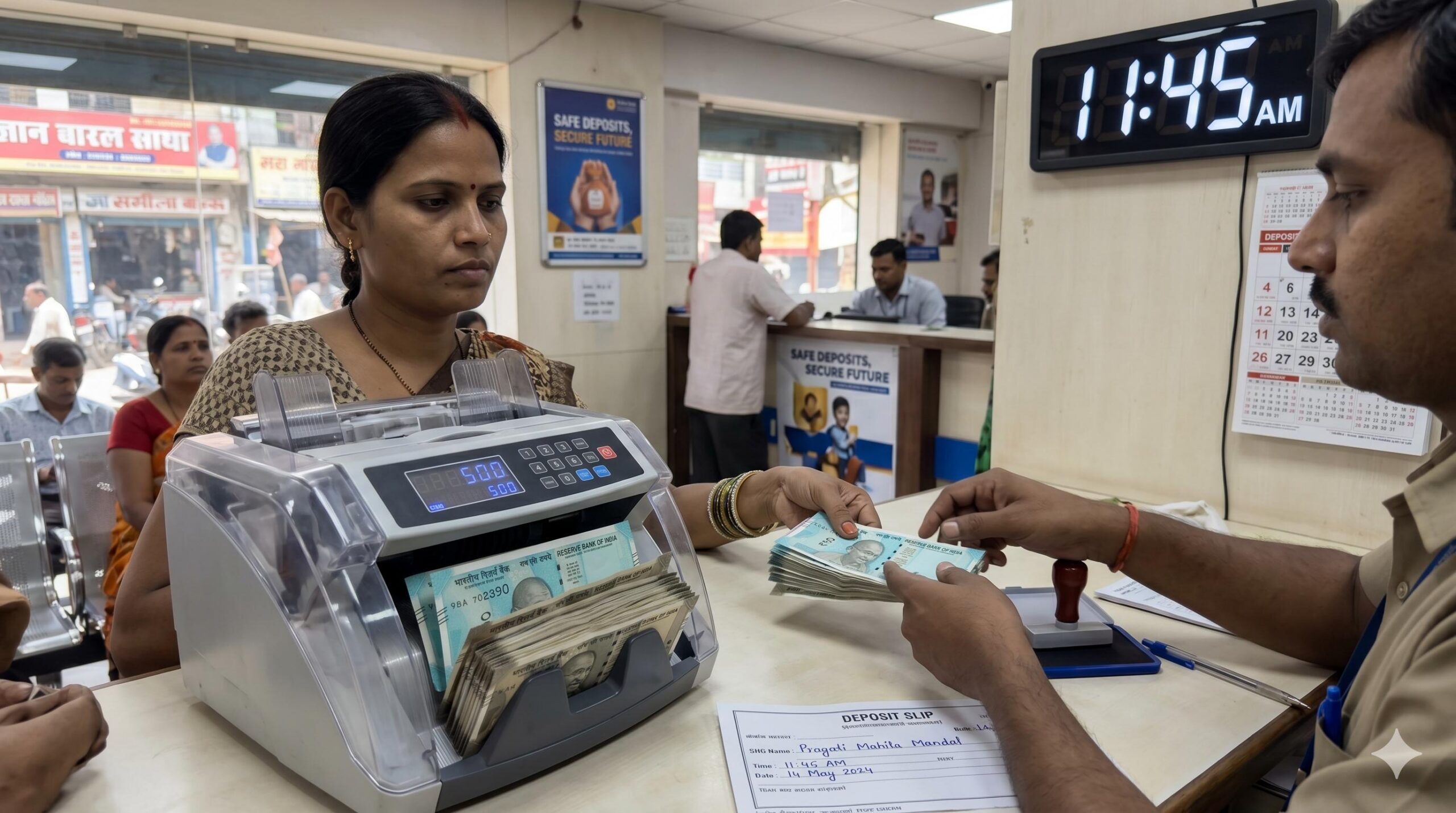
- Count Cash Openly: All collected cash must be counted in the middle of the meeting circle. The exact amount should be announced out loud.
- Verify Your Passbook: Never leave a meeting without checking that your personal passbook has been updated and signed by the authorized group leader.
- Zero Cash Hoarding: Ensure the meeting rules dictate that all collected money (not given out as internal loans) is deposited into the SHG’s official bank account within 24 to 48 hours. No leader should keep group cash at home.
- Rotate Leadership: To prevent a monopoly over funds, rotate the roles of President, Secretary, and Treasurer every one or two years.
SHG UPI Banking Explained: A Complete Guide to Digital Safety for Bachat Gats
Smart Money Behavior for Every SHG Member
Being part of an SHG is a fantastic way to build financial awareness, but it requires smart personal money management at home as well.
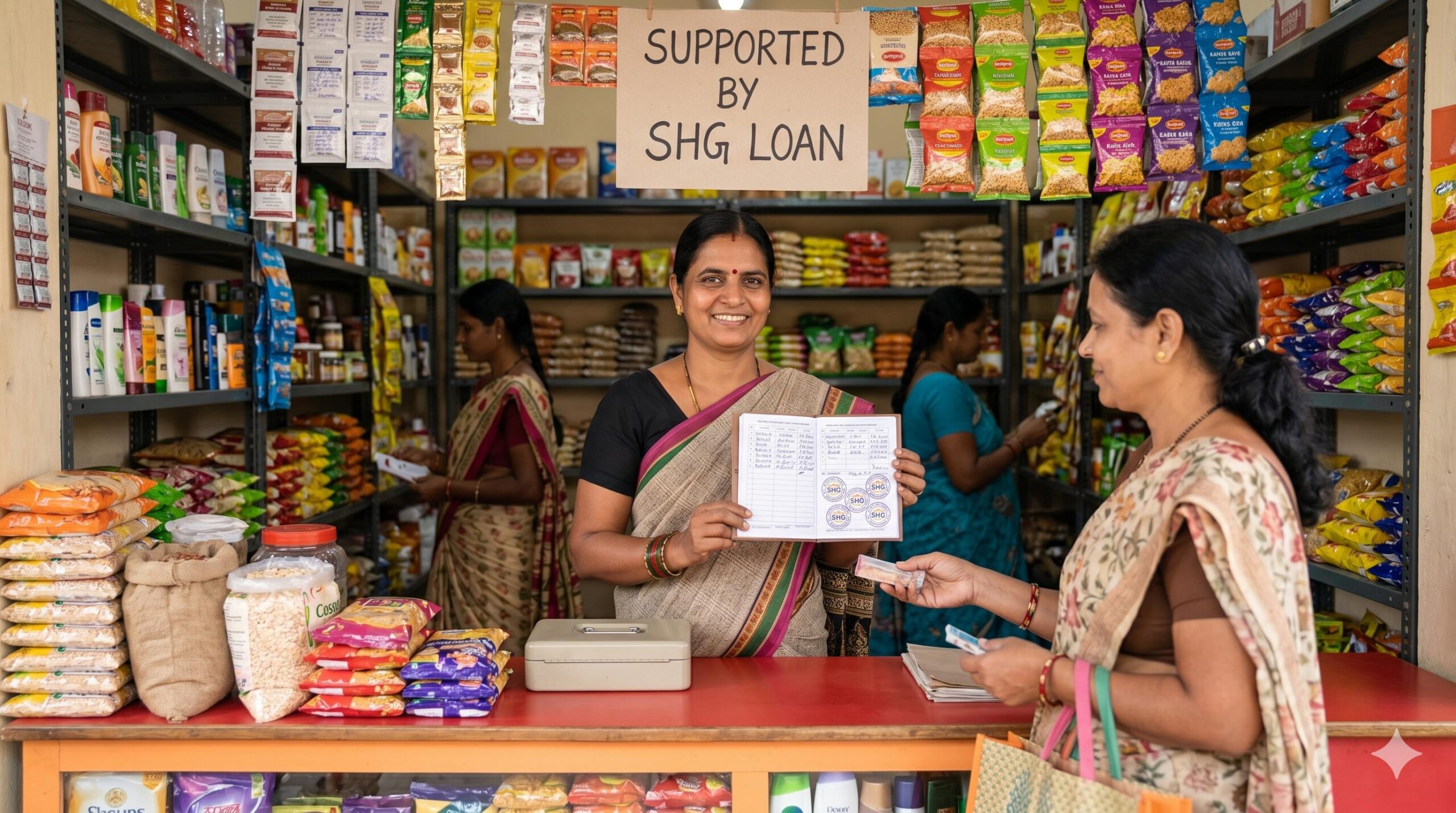
Always budget your monthly household salary so that your SHG contribution is set aside first. Treat your SHG saving just like a mandatory utility bill. Furthermore, when you take a loan from the SHG, use it for income-generating assets—like a sewing machine, education, or paying off a high-interest local moneylender—rather than spending it on unnecessary consumption or functions. Borrowing strictly within your repayment capacity ensures that you never default, keeping your financial reputation clean and your stress levels low.
Frequently Asked Questions (FAQs)
Q: Are SHG meeting rules legally binding?
A: While they are not formal national laws, the meeting rules act as a binding contract among the members. If an SHG is registered or linked with a bank, these rules must be followed to maintain the group’s legal and financial standing.
Q: Who decides the SHG meeting rules?
A: The rules are decided democratically by the group members themselves during their very first foundation meetings. They are then written down in the group’s official resolution register.
Q: What should we do if a member constantly breaks the meeting rules?
A: The group should first issue a warning and apply the agreed-upon financial fines. If the behavior continues and threatens the group’s financial safety, the members can vote to expel the rule-breaker after settling their accounts.
At BachatBook.in, we believe that financial awareness is the best tool for saving money. Stay disciplined, follow the rules, and protect your wealth!