

Introduction: The Path to Empowerment
Women Financial Independence Guide In India — A must have guide for women to pave her own way to manage money, make right decisions and secure their future without relying on others entirely. Real financial independence includes practical skills in managing your own savings, every day budgeting and reacting to life placing hurdles in your path.
This the guide for Indian women, no matter if they are homemakers, college students, or working professionals about household finances domain protection against digital frauds and a solid safety net. Women can learn to avoid financial disasters and lead themselves and their families into a life that is stable, where they no longer have to worry about money by making wise choices when it comes to all things financially related. That knowledge is the one and only first step to real liberty.

In India based context, financial literacy appears to be missing piece of the empowerment puzzle. Despite many women handling the household with admirable precision, most still financially “observe” rather than being a financial “decider.” So financial life is not just about earnings it’s also knowing where every single rupee goes, how you can save the money from inflation and fraudsters.
Disclaimer: Information in this article is intended for educational purposes only. This is not financial advice for professional investors. Disclaimer: This article will provide you with the information-based data on your fitness journey but please consult a certified health adviser for the help.
Table of Contents
The Hidden Risks of Financial Dependency
Before we can appreciate what the role a Women’s Financial Independence Guide hints at for you understand clearly the hazards of financial dependency. If a woman leans solely on her husband or parents or even siblings to handle bank accounts and savings, she is leaving herself vulnerable.
The biggest risk of all is not being able to cope with life’s unpredictability. In fact, solid jobs loss, unpredicted family tragedies or medical emergency always can happen with everyone. In case she needs to run the home for any reason, being unable (not knowing) how to operate a bank account — or even manage how one withdraws emergency money and in what scenarios can leave her helpless at the moment when at least she should be available for her family.
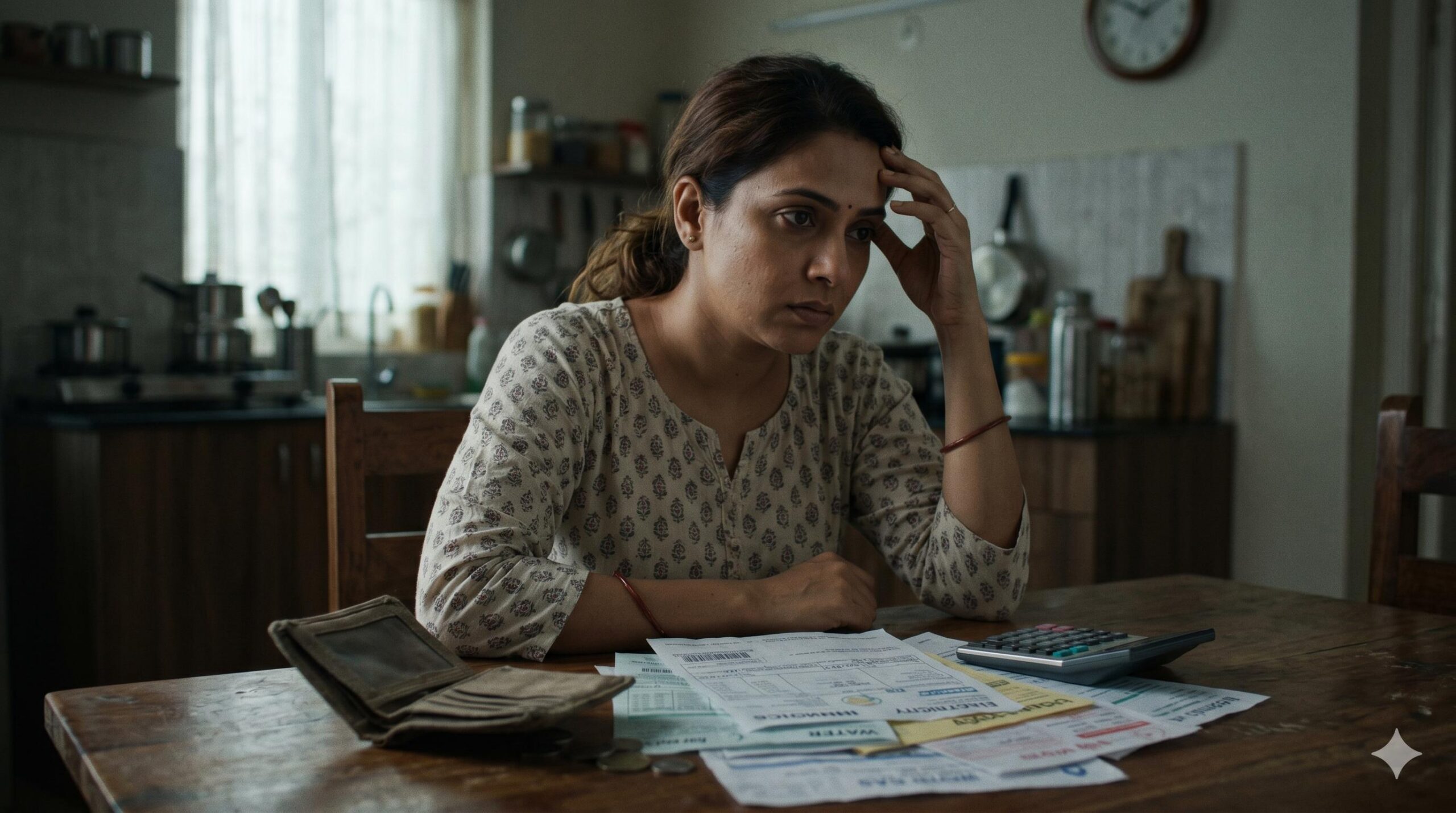
Also, financial dependency restricts you from being able to voice your opinions on decisions that affect your life. If money is not under you control, it becomes harder to choose your own education or the way/degree of what to sell your children when they are older, and sometimes prevent even from buying products required in your home. Moreover, women who are financially ignorant are often at risk of suffering “financial abuse,” whereby they are isolated from family liabilities or assets, rendering them insecure in the long term.
The Financial Impact of Being Unprepared
A lifelong lack of money management skills can sabotage someone financially and even ruin the entire middle-class family. “Lifestyle leaks” in the budget are often the result of financial ignorance on the part of all women. When you lack knowledge on the fundamentals of budgeting, it becomes increasingly trivial to splurge on things that are not necessary while neglecting any savings for prospective requirements.
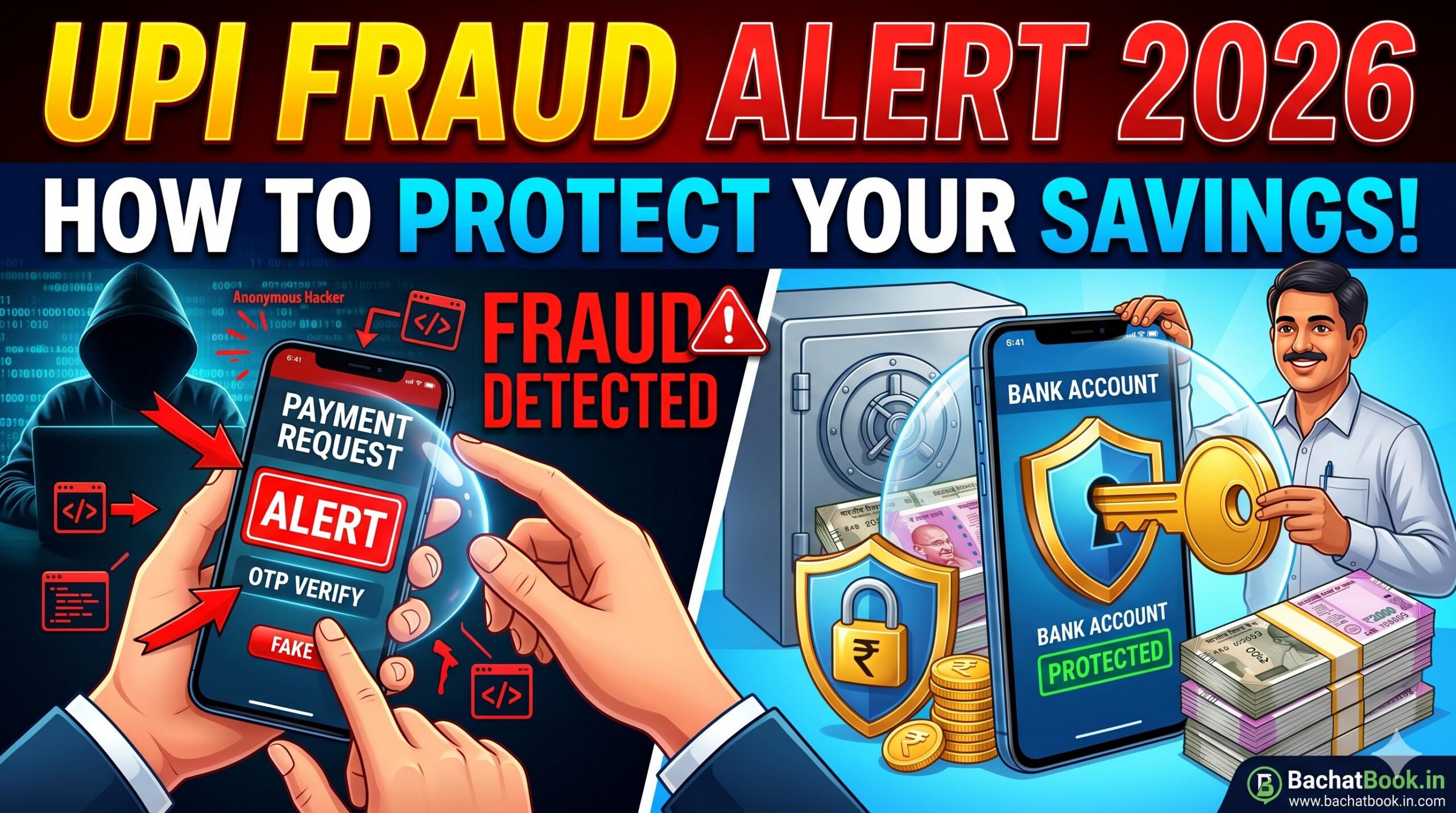
But more importantly, that deficiency in financial education has a direct impact on the financial security of any given household. Fraudsters often prey on the inexperienced in the realm of digital banking. For example, a homemaker who is not aware of online security might easily be swayed by fake loan applications or phishing calls. Scammers usually impersonated as bank executives or government agents and use fake panic to gain sensitive information.
This can result in huge financial losses from a single OTP scam wiping off household savings of years within minutes. Secondly, without the fundamental principles in this guide women may be mis-led into investing their cash in terrible un-regulated schemes. The urge to make fast bucks results in getting into high-risk local chit funds or the good old “double-your-money” scams, which more often than not, wipe out your entire investment.
Preventive Habits: Protecting Your Money and Data
How to be safeguard your money is a core pillar of any Women’s Financial Independence Guide in India. There is no meaning of financial independence if the savings do not remain intact. The best way to avoid losing money is by building strong, proactive habits.
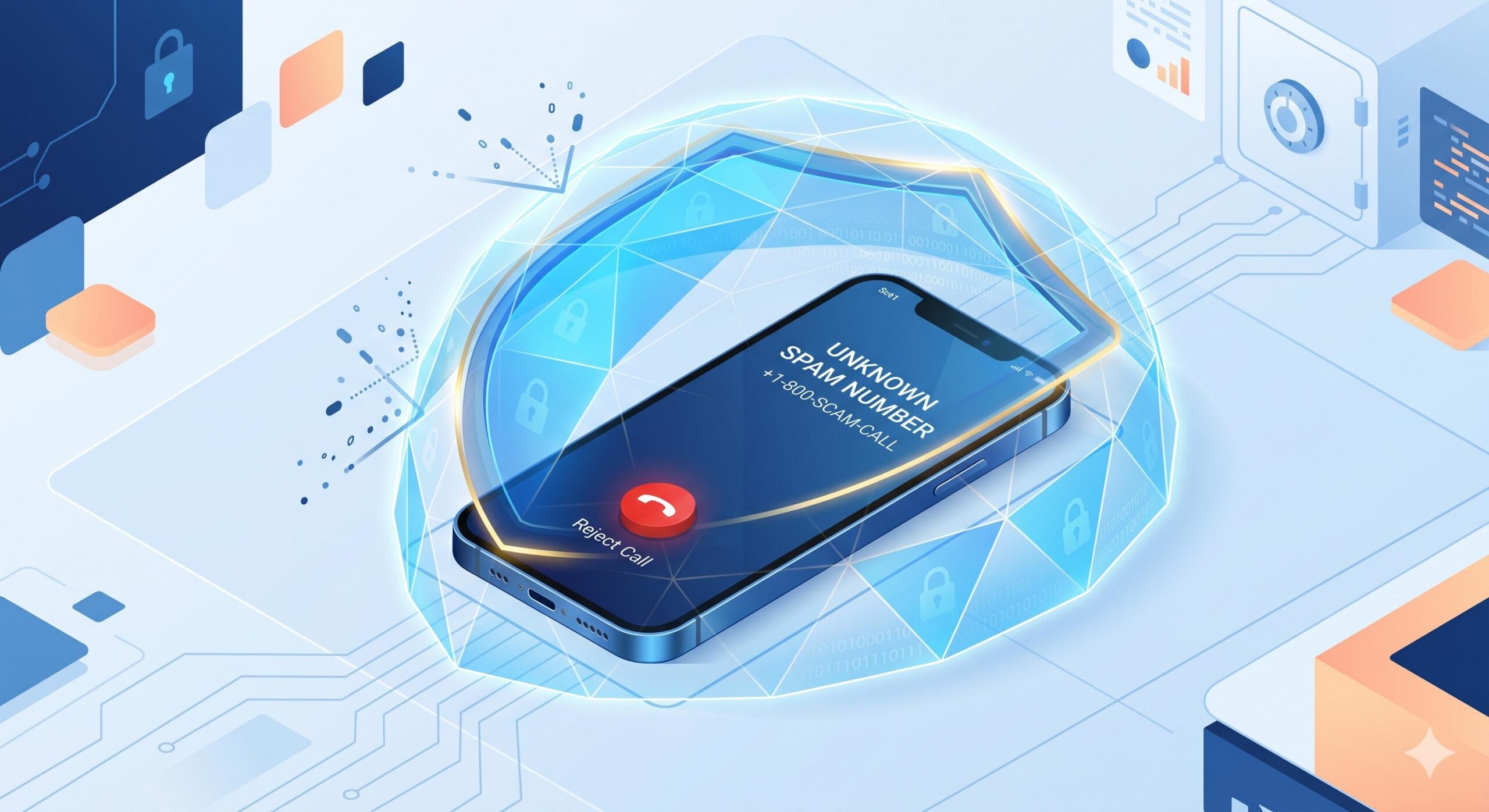
- Keep Your Financial Data Private: Do not disclose your banking passwords, PINs or UPI details to anyone — Not even close relatives. A personal bank account comes with the onus of securing it yourself.
- Understand and Prevent OTP Scams: About OTP ScamsKnow Them and Stop ThemFraudsters trick you with Fear and Outrage to steal your money. The key thing to remember is that no real bank or service would ever ask for an OTP over the phone. Hang up on any such call if you receive one.
- Beware of Fake Loan Apps: Fake Loan Apps: Unverified loan applications with quick cash tempt middle-class families. As a final note, this type of apps is mostly suck your contact list and use it to did harassment. Only use official banking applications.
- Secure Your Mobile Devices: Your smartphone is your digital wallet. Keep it locked with a strong password. Regularly update your banking apps and never use public Wi-Fi for financial transactions.
Smart Money Behavior for Indian Women
Once you have secured your finances against risks, the next step is building smart, everyday money habits.
1. Master the Household Budget
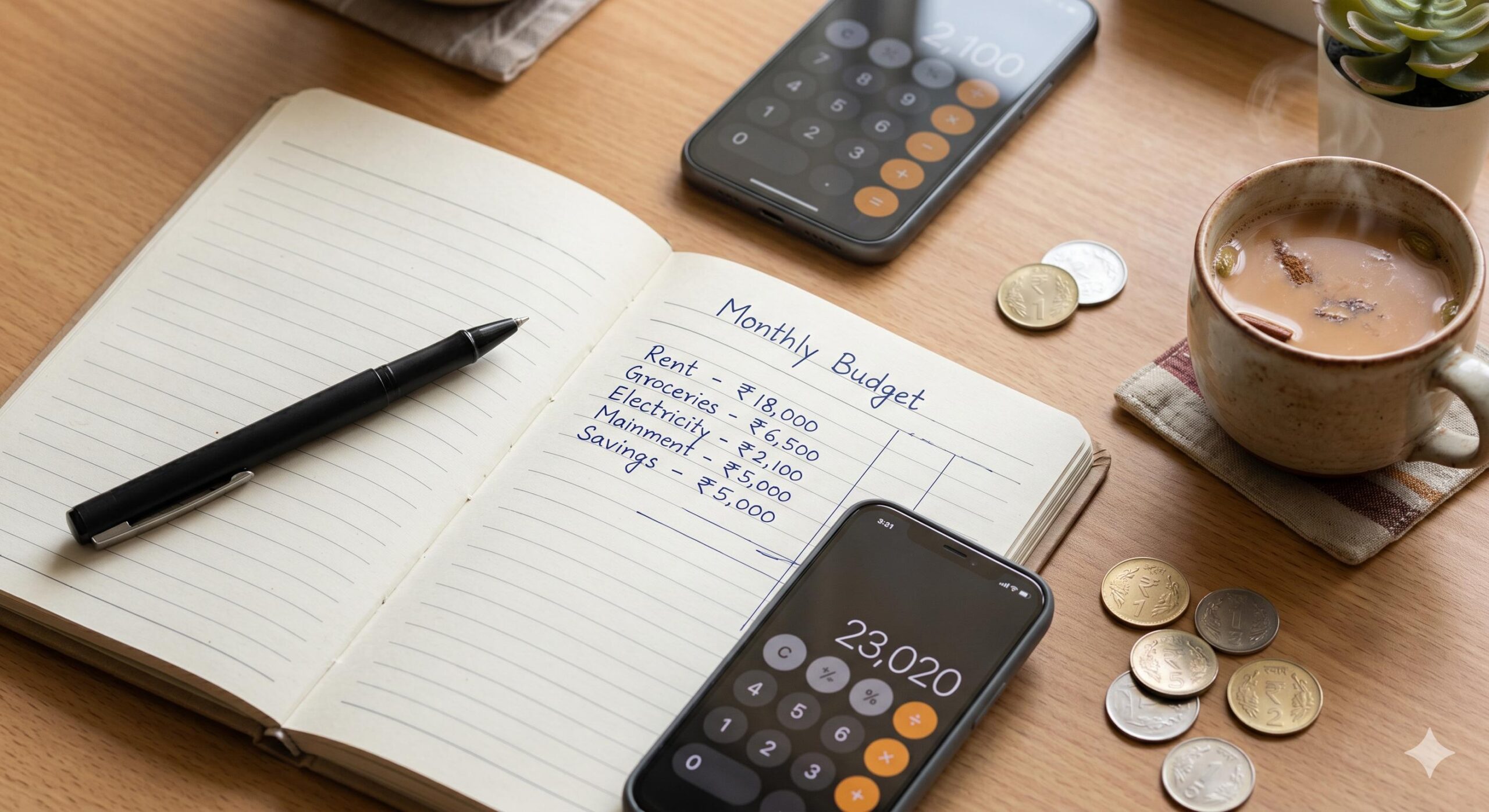
Budgeting is the foundation of independence. Use a simple notebook to track every rupee. A popular method is the 50-30-20 rule: 50% for needs, 30% for wants, and 20% for savings. By actively managing the “Ghar ka budget,” women can identify waste and redirect funds into secure savings.
2. Build an Emergency Fund
An emergency fund is your financial shield. It is money set aside strictly for unexpected events, such as a medical crisis. Aim to save enough to cover 3 to 6 months of essential living expenses in a separate, accessible savings account.
3. Open an Independent Bank Account
If you do not already have one, open a bank account in your own name. While joint accounts are useful, an individual account gives you a secure place to build your personal emergency fund and helps establish your financial identity.
4. Focus on Safe Savings
Start with secure, traditional methods. Bank Fixed Deposits (FDs), Recurring Deposits (RDs), and Post Office savings schemes (like the Mahila Samman Savings Certificate) are excellent, low-risk ways to keep your money safe while building a habit of regular saving.
Best Savings Account for Small Monthly Deposits: Secure Your Future Wisely
Conclusion: Taking the First Step
This guide to financial independence for women in India is not something which can be done from here to a day; this is a journey of your own lifetime, learning and practicing smart money habits. One can safeguard oneself against bank frauds, take control of the situation through making/budgeting of your daily budget.

Actual independence arrives at the point you choose to take an engaged part throughout your financial life. For students, working professionals or even homemakers, the most powerful of all weapons is your financial awareness. Take the pledge today — either review your savings or change your bank nominee details and improve your knowledge about digital safety. Having financial security is the best gift you can give yourself and your family.
Frequently Asked Questions (FAQs)
Q1: Can a homemaker really be financially independent if she doesn’t have a salary?
Ans: Yes! Financial ManagementOpen Preceding TabIf you are a homemaker or simply just one, then from this year onwards financial independence starts. A Homemaker creates her own financial safety case by maintaining the home budget and also saving from their monthly allowance, which should be independent funds to keep in a personal bank account.
Q2: What are the safest ways for an Indian woman to save money without risk?
Ans: Zero to Low Risk- Best options include Bank Fixed Deposits (FDs), Recurring Deposits (RDs) and government supported schemes such as Mahila Samman Savings Certificate or the Public Provident Fund( PPF).
Q3: What documents do I need to open a bank account in India?
Ans: Usually you will require the following KYC documents: An Aadhaar Card (identity/address proof), PAN Card (for financial transactions) and Passport size photographs. Certain banks offer basic accounts to those without a PAN card (through Form 60).
Q4: How can I protect my elderly mother or aunt from digital banking fraud?
Ans: There are two simple rules — 1) No one on a call should ask for an OTP and 2) No one should click on “reward” or “lottery” links that come via SMS or WhatsApp. Ask them to set up biometric locks on the phones.
Q5: Why is a “Nominee” important in my bank account?
Ans: A nominee is someone who will get the money in your account when you die. Without a nominee, your dear ones will be embroiled in legal battles to access the savings that you have sweated so hard for. Update your nominee information regularly.