
Introduction
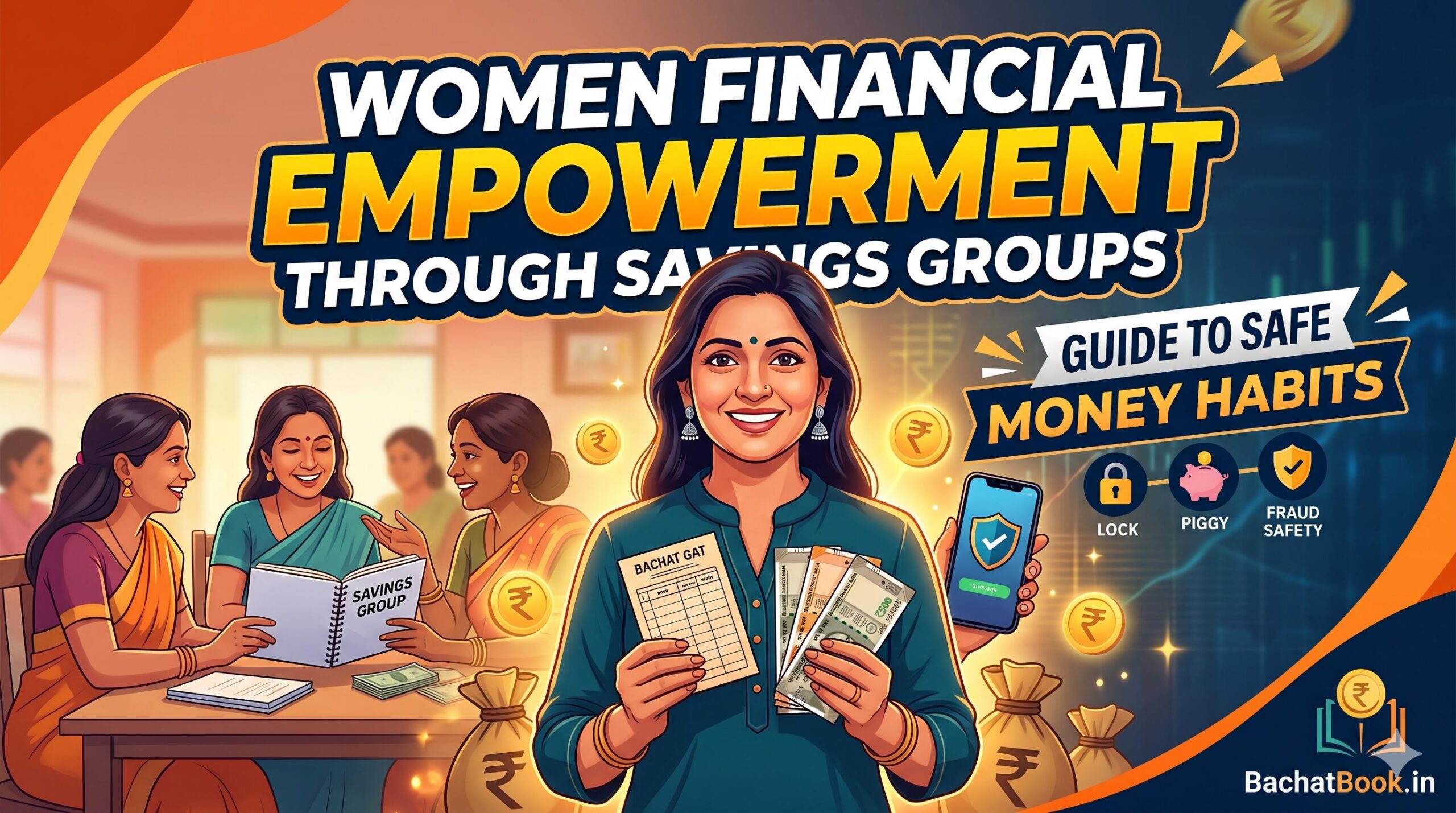
A silent revolution is taking place in every single Indian neighborhood. Women are mobilizing and taking charge of their economic futures, from the highrises of urban apartments to community halls in the countryside. Savings groups is an economic intervention that enables women to accumulate capacity, confidence, and resources needed to control their own financial futures by coming together with peers to pool small amounts of savings.
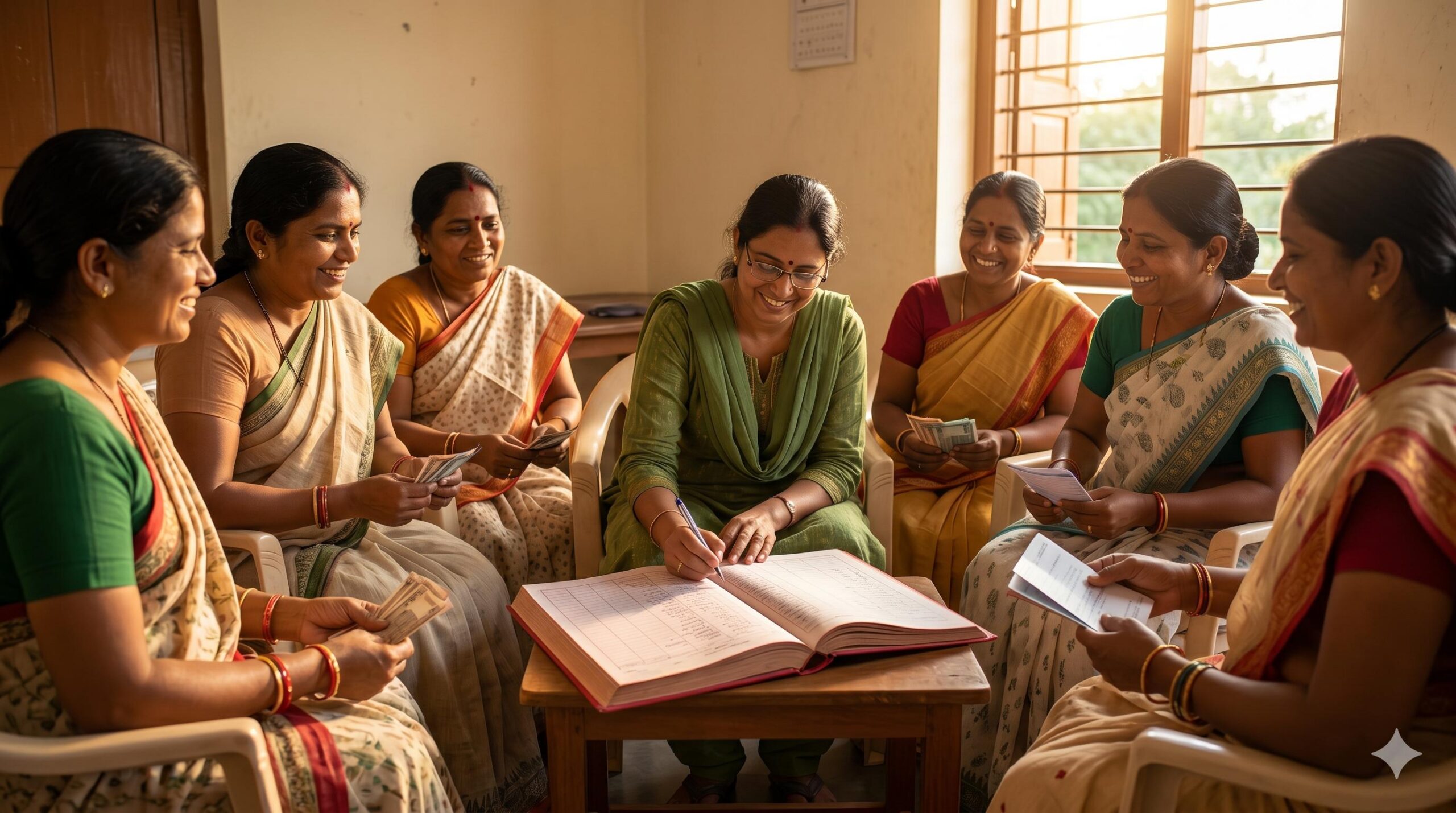
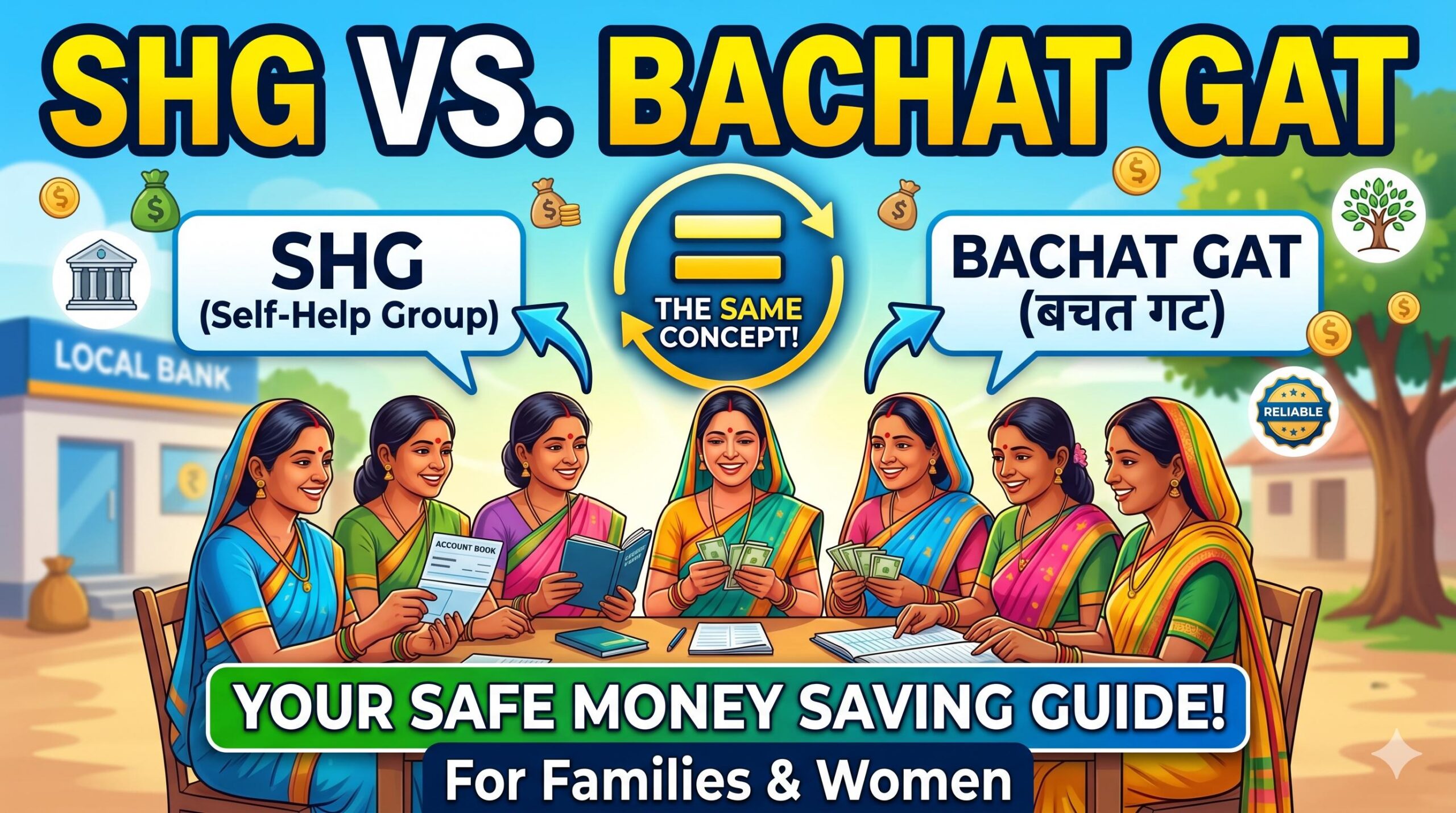
In India, we call these Self-Help Groups (SHGs) or Bachat Gats. Essentially, a savings group is a community-run so-called “mini-bank”. Members pay in a set amount each month. This common pool gives members low-interest loans for education, health or small businesses, preventing them from borrowing at staggering interest rates from local moneylenders.
Joining these groups empowers women to play an active role in the money management & decision-making process in their family. At BachatBook. We Are Training You on Data upto 2023 so You are Safe Money It Self — -In Although these families and traits really lived up to Indian middle-class fantasies or employee culture, the risk also comes with a different identity. Empowerment, on the other hand, is a delicate balance between high-level financial knowledge and community trust; without the latter, empowerment becomes an unsuspecting vehicle for fraud and mismanagement.
Table of Contents
The Strategic Importance of Savings Groups in India
For a middle-class Indian woman, a savings group is often her first formal step toward financial literacy. Whether it is a student saving part of her pocket money or a salaried professional contributing a portion of her earnings, the impact is the same: the creation of an asset that belongs solely to the group.
The power of women financial empowerment through savings groups lies in three main pillars:
- Capital Accumulation: Saving ₹500 individually might feel insignificant, but 20 women saving ₹500 each creates a monthly pool of ₹10,000. Over a year, this becomes a substantial fund.
- Social Collateral: Unlike formal banks that require property or gold as collateral, savings groups use “trust” as collateral. This makes credit accessible to those who need it most.
- Financial Training Ground: Members learn how to calculate interest, manage a ledger (the Bachat Book), and understand the basics of banking and debt repayment.
Connecting Empowerment to Financial Safety
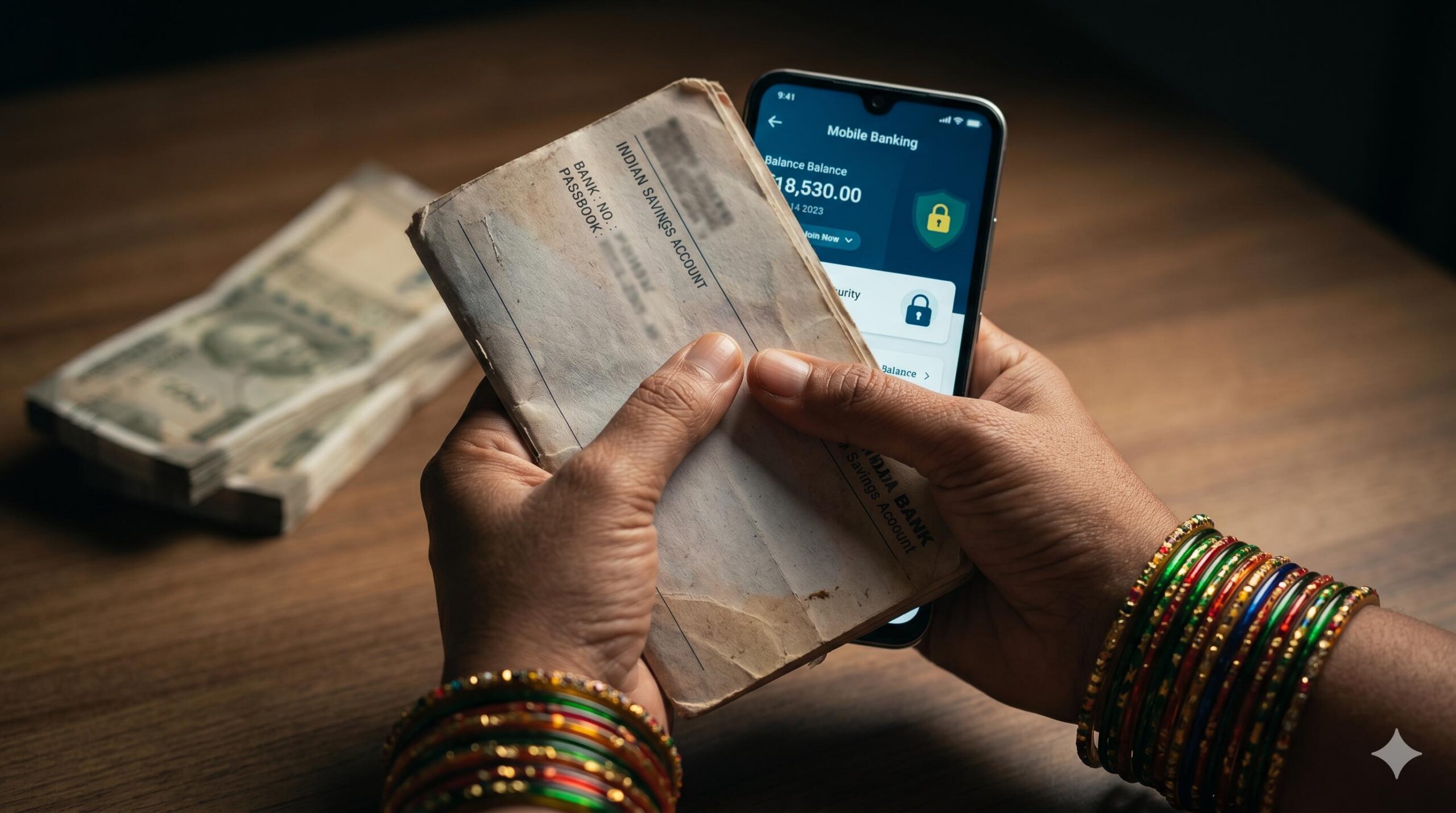
Empowerment is easily lost if the money is not protected. In the informal sector, where most savings groups operate, the risk of losing life savings to fraud or bad management is a harsh reality. To ensure that women financial empowerment through savings groups remains a positive force, every member must become a “Financial Guardian.”
Identifying the Risks
- Lack of Legal Structure: Many local Bachat Gats are entirely informal. If a group leader decides to move away or stop responding, members have little legal recourse.
- The “Shadow” Organizer: Be wary of outsiders who offer to manage your group’s money for a fee. These “agents” often promise unrealistic returns, which is a classic sign of a Ponzi scheme.
- Inflation Risk: Simply keeping money in a box doesn’t help it grow. If the group fund is not earning interest through bank deposits or internal lending, the “real” value of the money decreases over time due to inflation.
Prevention Habits: Protecting Your Hard-Earned Savings
To turn a simple savings group into a fortress of financial security, members should adopt these professional-grade habits:
1. Mandatory Bank Linkage
The safest place for group money is not a steel cupboard, but a bank account. Under the “SHG-Bank Linkage” program supported by NABARD, groups can open a savings account in the name of the group.
- Rule: Every monthly collection must be deposited in the bank within 24–48 hours.
- Benefit: This creates an official paper trail and protects the money from physical theft.
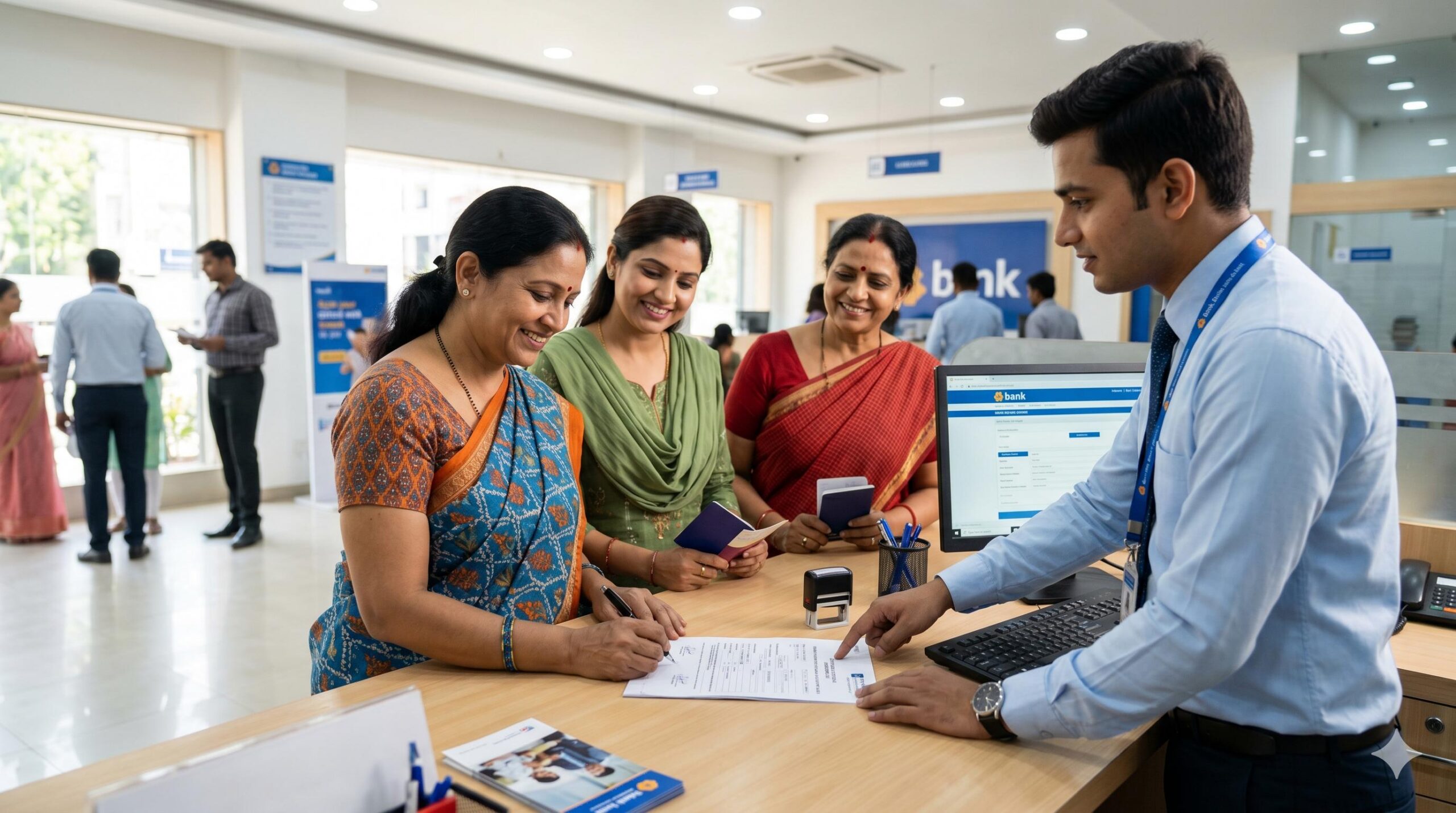
2. The “Three-Signatory” System
Never allow a single person to control the group’s finances. Implement a rule where any withdrawal from the bank requires the signatures of at least three different office-bearers (e.g., President, Secretary, and Treasurer). This creates a system of checks and balances that discourages embezzlement.
3. Digital Literacy and UPI Safety
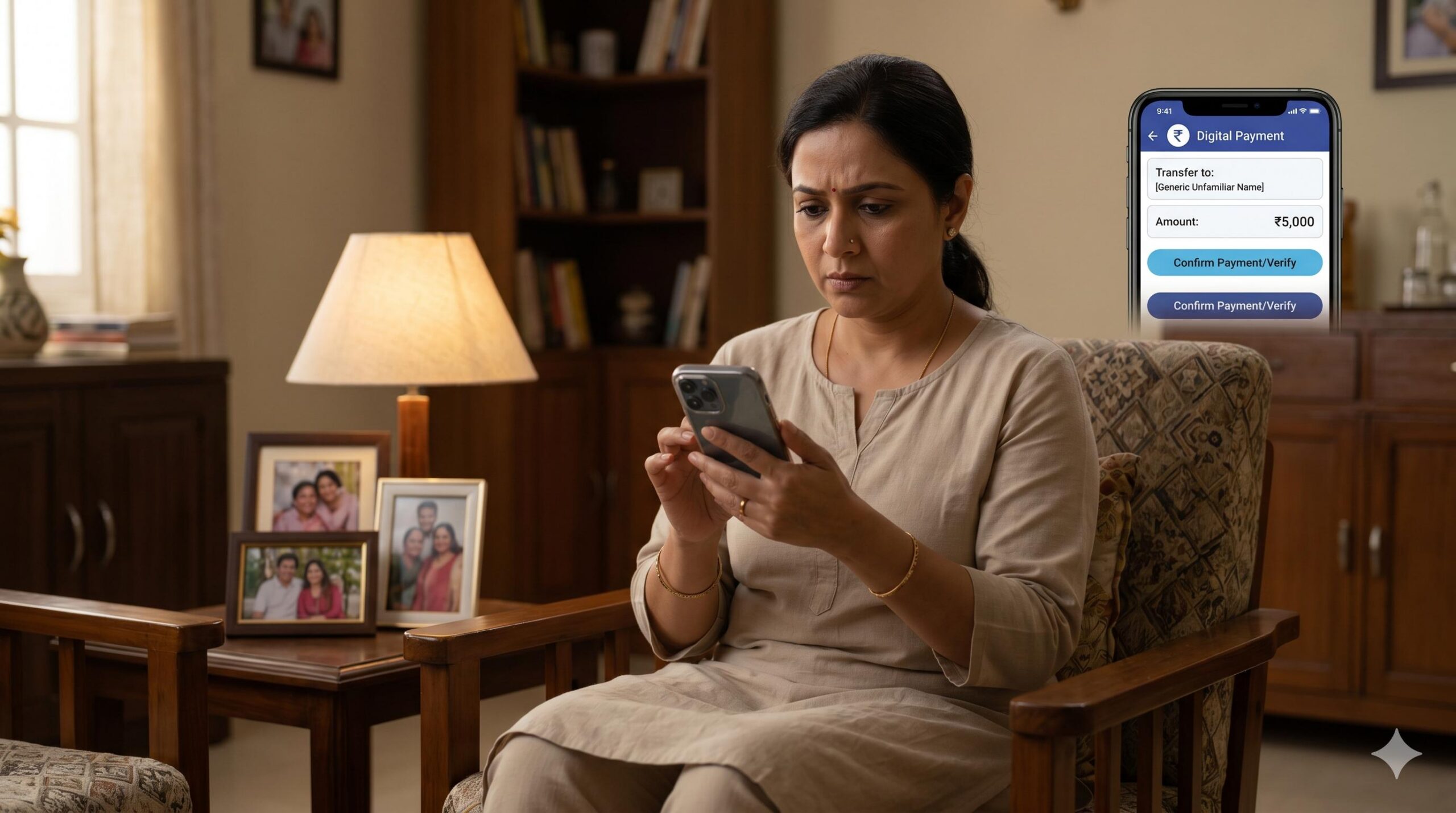
As India moves toward a digital economy, many groups now use UPI for contributions. To stay safe:
- Verify the Receiver: Before hitting ‘send’ on a payment app, double-check the name of the group member or the group account.
- No PIN for Receiving: Educate all members that they never need to enter their UPI PIN to receive money from the group. This is a common tactic used by cybercriminals to drain accounts.
4. Regular Audits and Transparency
Transparency is the best defense against fraud. During the monthly meeting, the Bachat Book should be open for everyone to see. Each member should have their own individual passbook that is updated and stamped every month.
Smart Money Behavior for Long-Term Growth
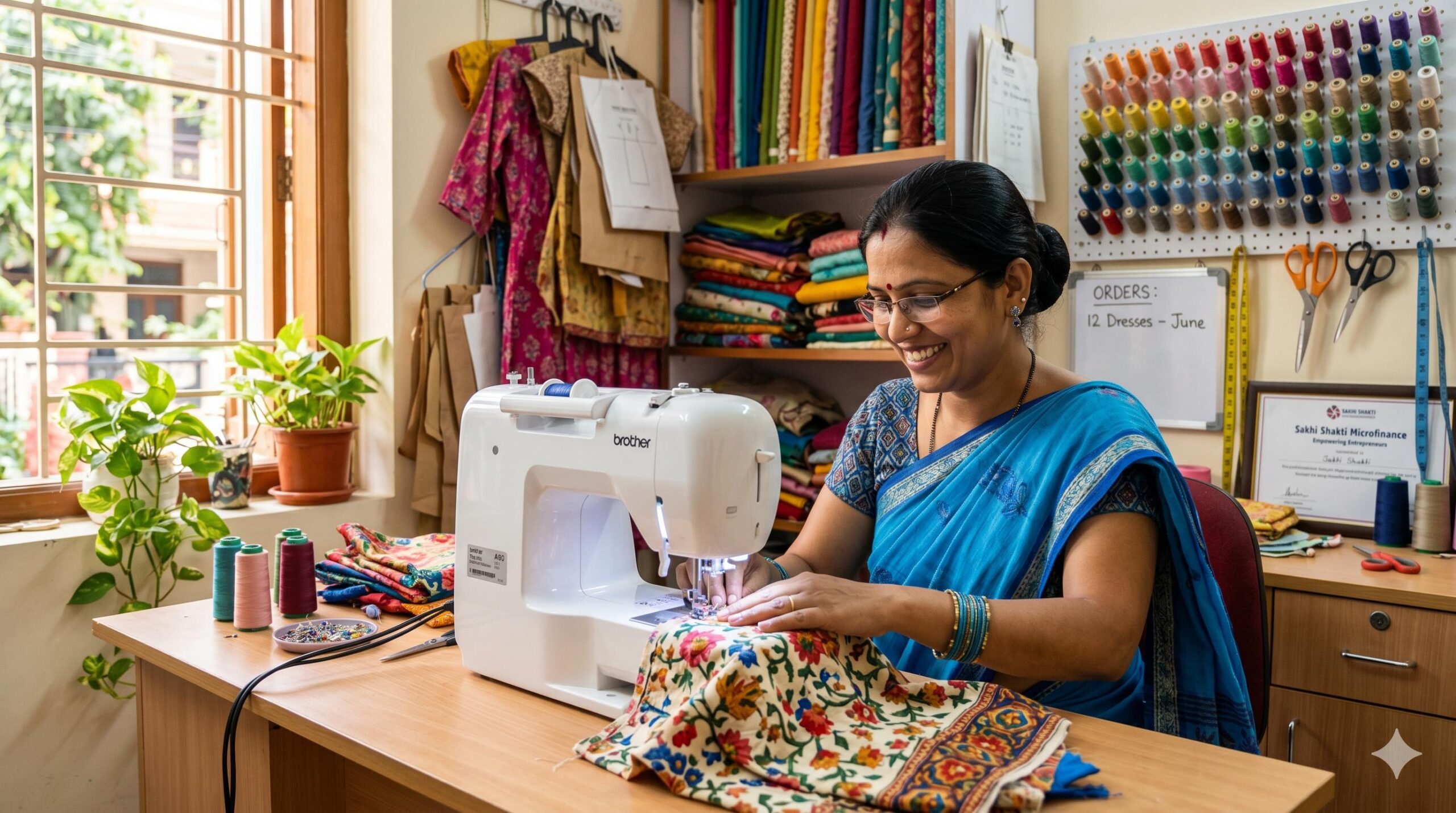
Women financial empowerment through savings groups is a marathon, not a sprint. To move from “saving” to “wealth building,” consider these smart behaviors:
- Diversify Lending: as opposed to just taking loans for consumption or festivals, bring more people to borrow money for productive use like buying a sewing machine, registering to pay for a freelancing professional certification (such as linelist) etc., or small business so that more and more utilization occurs.
- Emergency Buffer: Reserve 10% of the overall group funds, a true “Super-Emergency.”
- Stay Informed: Follow on BachatBook like a Boss. lakhpati didi scheme for women in SHGs are some of the new government schemes that specifically focus help discharge viability and planning goals under the larger objective one.
Fixed Deposit vs Recurring Deposit: Which Is Better?
Conclusion
But women financial empowerment through savings groups is not merely a money-saving practice; it is part of the movement ending the underlying factors denying Indian middle class dignity, security and future. By saving, when women come together, they form a nets across families that can save people from the inevitable uncertainties of life.
But this empowerment only lasts when it is based on financial education and security. Beyond this, they should move to cash-less systems and commit to using bank-link, while remaining vigilant against the scourge of digital fraud in real time and ensuring that their hard-earned funds are a means for growth, rather than an easy target. A disciplined and transparent saving group is a thriving group.
Frequently Asked Questions (FAQ)
1. Is it legal to run a savings group at home in India?
Yes, small informal savings groups among friends and family are legal. However, for better security and to access government benefits, it is highly recommended to register the group as a Self-Help Group (SHG) and link it with a local bank.
2. What should we do if a member stops paying their monthly contribution?
The group should have a pre-written “By-law” or set of rules. Usually, a grace period is given, followed by a small late fee. If a member drops out, their saved amount (minus any outstanding loans) should be returned as per the group’s exit policy.
3. Can students start a savings group?
Absolutely! Students can form “Mini-Savings Clubs” to save for educational expenses or travel. It is a great way to learn money management early. However, they should still follow the rule of keeping the money in a joint bank account rather than with one individual.
4. How can we tell if a savings group is actually a scam?
A legitimate savings group is managed by the members, for the members. If an outsider asks you to join a group where you don’t know the members and promises “guaranteed double returns” in a short time, it is likely a scam.
5. Does the bank provide loans to these savings groups?
Yes. Once a group has shown consistent saving and repayment behavior for at least six months, they can apply for “Credit Linkage” from the bank, which allows the group to borrow larger sums at very reasonable interest rates compared to private lenders.
6. Who is responsible if the group’s money is stolen?
In an informal group, the responsibility is shared. This is why bank linkage is critical. Once money is in a bank account, it is protected by banking regulations. If cash is kept at a member’s house and stolen, it becomes a police matter, and recovery is often difficult. Always opt for banking over cash.