
Introduction
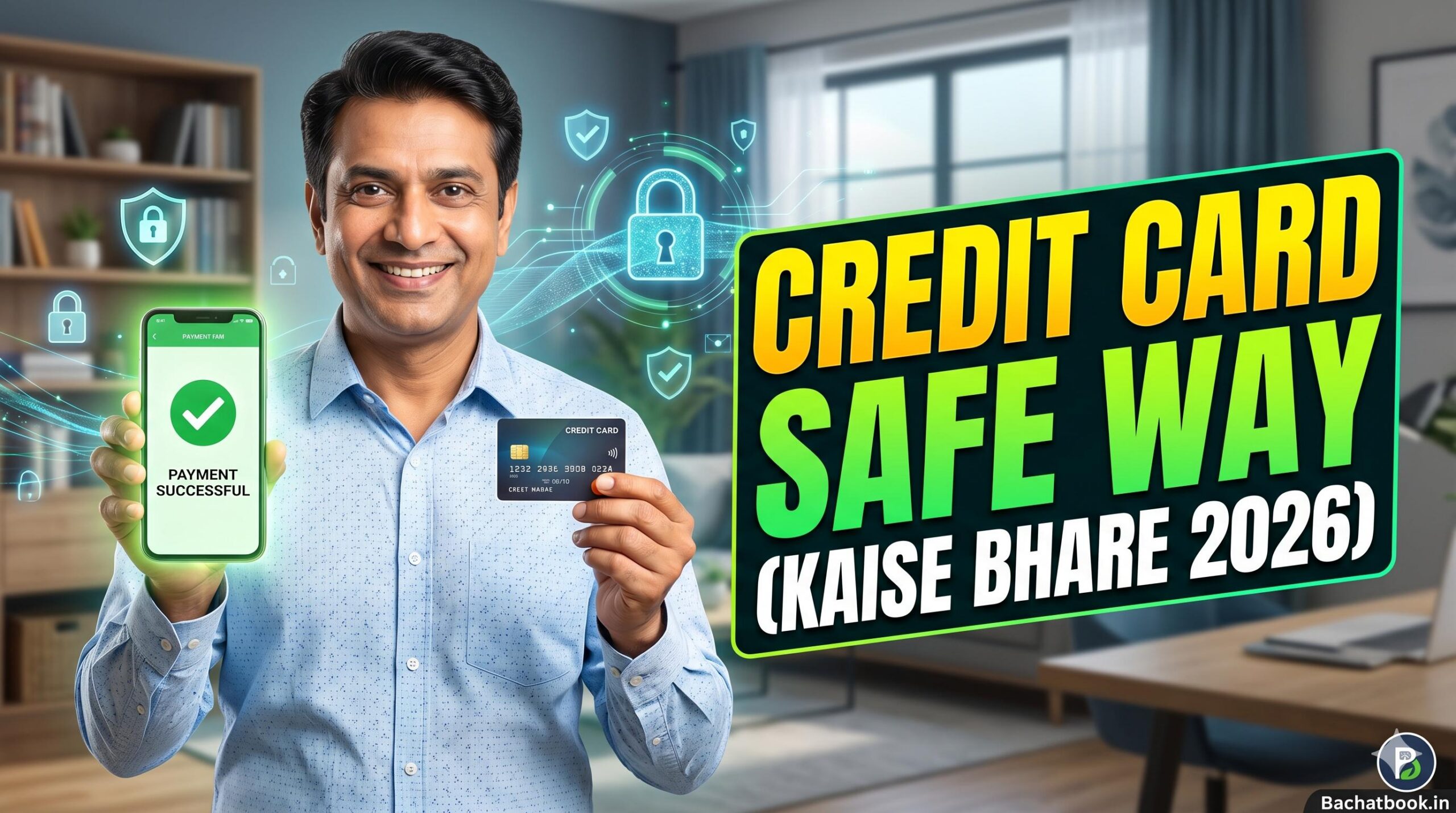
Are you wondering credit card ka bill kaise bhare without facing any late fees or technical issues? Paying your credit card bill is simple if you use the right official methods. You can pay your bill directly through your bank’s official mobile banking app (like HDFC, SBI YONO, or ICICI iMobile), via internet banking using NEFT/RTGS, or through trusted UPI platforms like PhonePe, Google Pay, or Paytm. For the safest and fastest clearing, using your own bank’s net banking portal or setting up an auto-debit mandate is highly recommended.
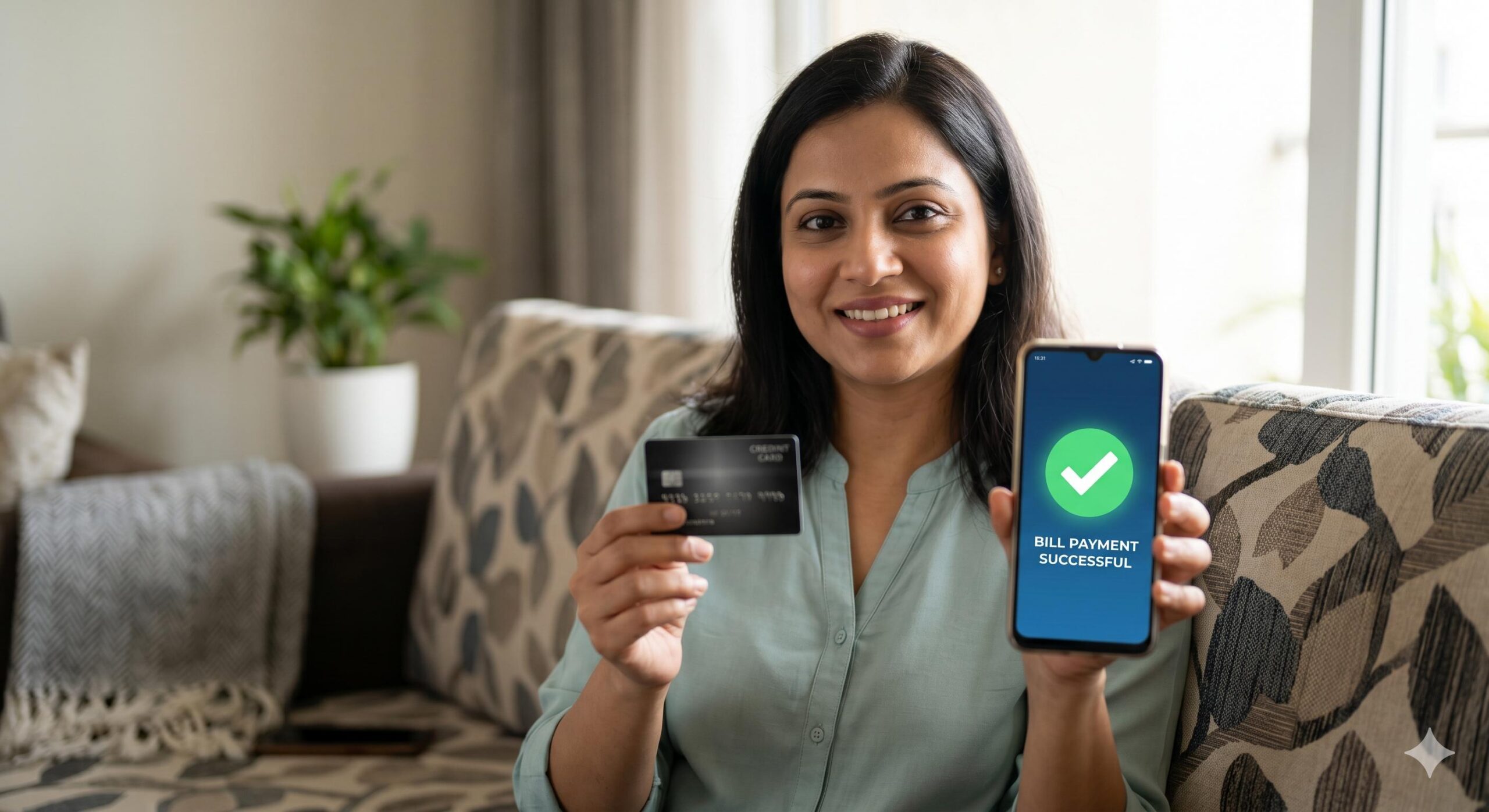
However, while knowing how to pay is easy, doing it safely is critical. Every month, millions of Indian credit card users face phishing scams or fall into debt traps. Protecting your hard-earned money and sensitive financial data from online fraud is just as important as clearing your dues.
Disclaimer: This article is for educational purposes only and is not professional financial advice. The information provided is meant to promote financial awareness and safe digital habits. Always consult a certified financial advisor for personalized guidance.
Table of Contents
1. How to Pay: The Best and Safest Methods
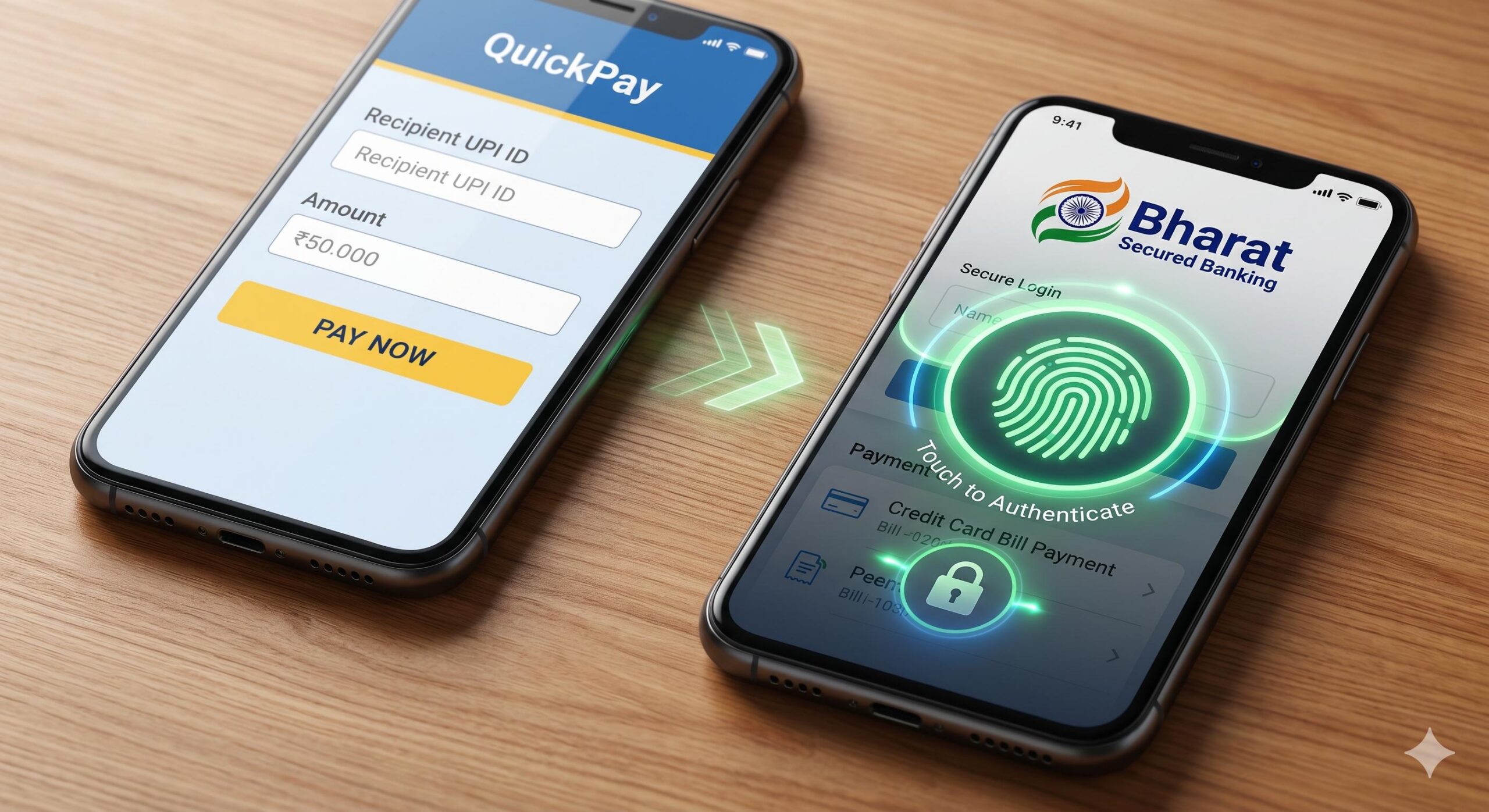
For salaried employees and middle-class families in India, a credit card offers great convenience, but paying the bill on time is the ultimate responsibility. If you are searching for credit card ka bill kaise bhare, here are the most secure ways to do it:
- Official Bank Mobile Apps: This is the safest route. If you have an HDFC credit card and an HDFC savings account, simply log into the HDFC mobile app and pay directly. The payment reflects almost instantly.
- Auto-Debit Facility: You can instruct your bank to automatically deduct the total bill amount from your savings account on the due date. This ensures you never miss a payment and avoid hefty late fees.
- NEFT / RTGS (BillDesk): If you are paying a bill for a bank where you do not hold a savings account (e.g., paying an SBI card bill from an Axis Bank account), you can add the credit card as a payee using its 16-digit number and the bank’s specific IFSC code to transfer funds securely.
- Third-Party UPI Apps: Apps like Paytm, Google Pay, or CRED allow you to pay your bills using UPI. While convenient, always ensure your app is updated and verify the exact bill amount before entering your UPI PIN.
2. The Hidden Risks: Online Scams and Payment Traps
Knowing the mechanics of payment is just the first step. Because credit card usage has surged in India, scammers have invented new ways to steal your money during the billing cycle.
The Fake SMS Phishing Scam
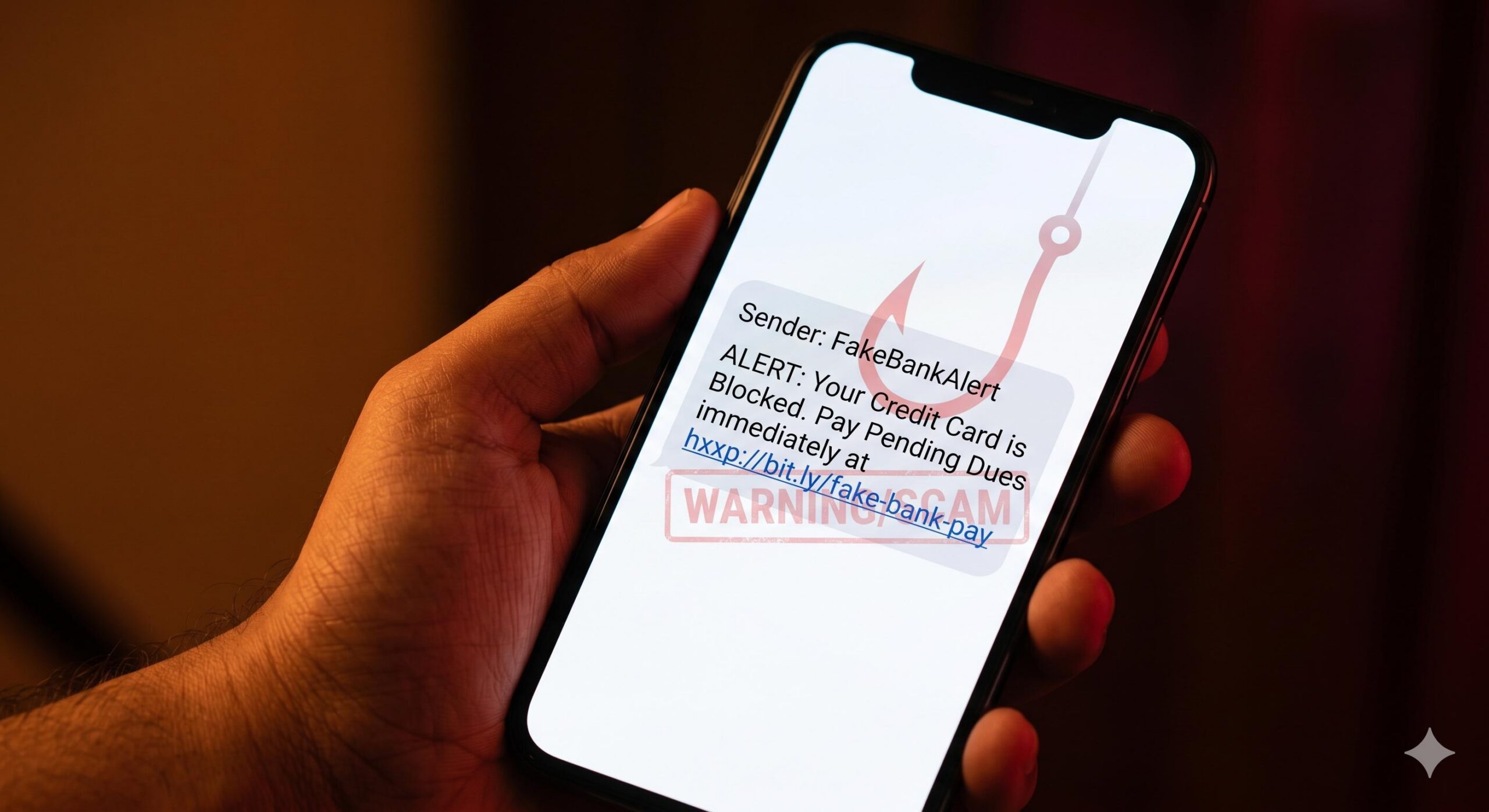
You might receive an SMS that says: “Dear customer, your credit card will be blocked today due to unpaid dues. Click this link to pay immediately.” If you panic and click the link, it takes you to a fake website that looks exactly like your bank’s portal. The moment you enter your card details and the OTP, scammers instantly deduct money from your account.
The Fake Customer Care Trap
Sometimes, when users face an issue while paying their bill, they search for “bank customer care number” on search engines. Fraudsters run fake ads with their own phone numbers. When you call, they pretend to be bank officials and ask you to download a screen-sharing app (like AnyDesk) to “help” you pay the bill, eventually stealing your banking passwords.
The “Minimum Amount Due” Illusion
The bank gives you two options: “Total Amount Due” and “Minimum Amount Due” (which is usually just 5% of your total bill). The biggest risk is thinking that paying the minimum due clears your obligation. It does not. It only saves you from a “late payment fee,” but the remaining amount starts attracting massive daily interest.
3. The Financial Impact: Draining Your Bachat
If you do not understand the financial mechanics behind credit card ka bill kaise bhare, you risk losing thousands of rupees from your monthly budget.
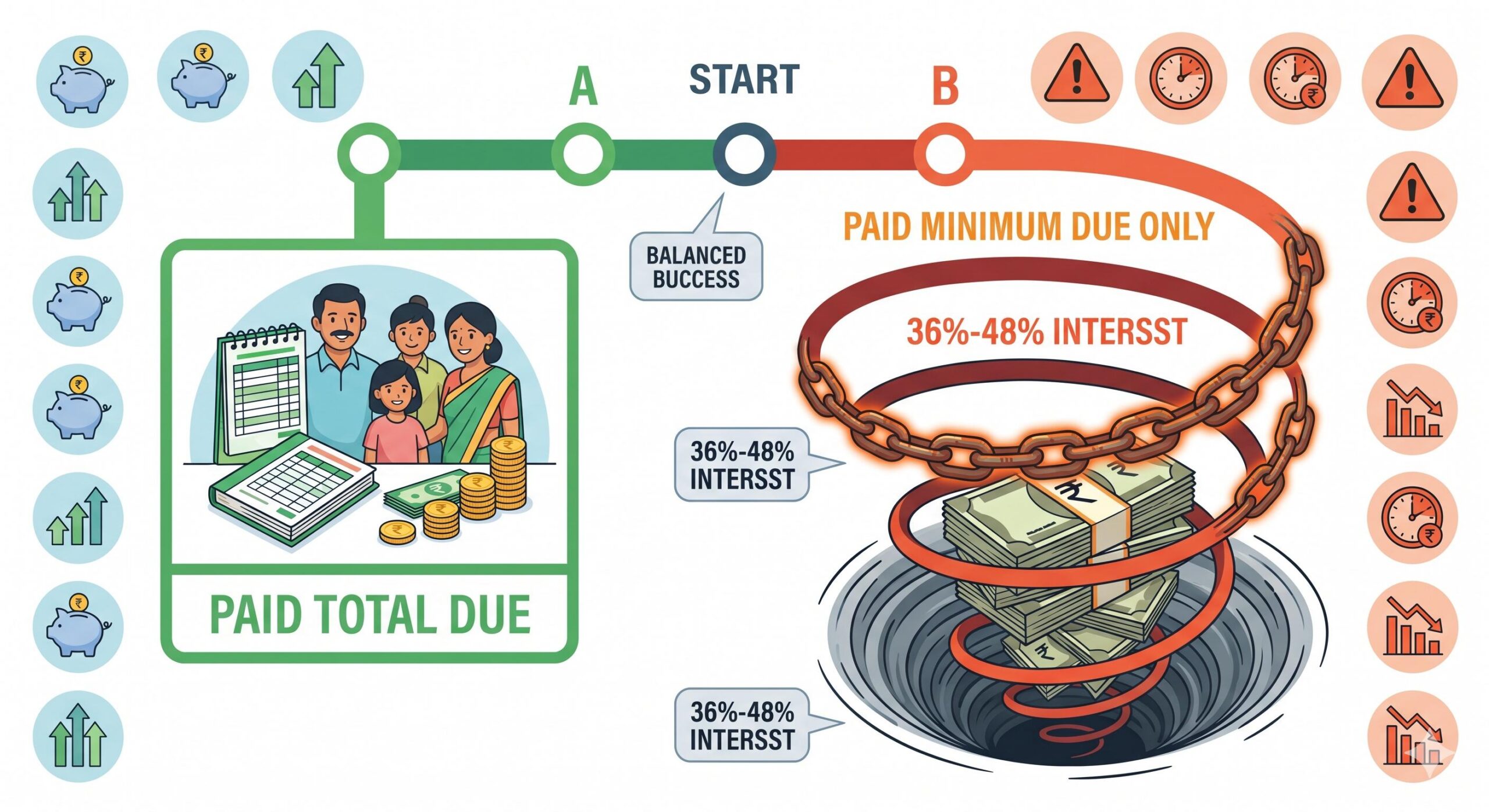
Credit cards carry the highest interest rates of any financial product in India—often between 36% to 48% annually (roughly 3% to 4% per month).
Let us look at a simple example:
Suppose your total credit card bill is ₹50,000, and you decide to pay only the minimum due of ₹2,500.
- The bank will charge a 3.5% monthly interest on the remaining ₹47,500.
- More importantly, any new purchases you make on the card will instantly attract interest from day one. You lose your “interest-free grace period.”
- Within a few months, your ₹50,000 debt can balloon to ₹60,000 or more, completely destroying your family’s monthly savings (bachat).
Furthermore, consistently revolving your debt negatively impacts your CIBIL score. A poor credit score will make it incredibly difficult to get a home loan, car loan, or emergency personal loan at favorable interest rates in the future.
4. Prevention Habits: Secure Your Money and Data
To protect yourself from scams and massive interest charges, you must build strong preventive habits around your billing cycle.
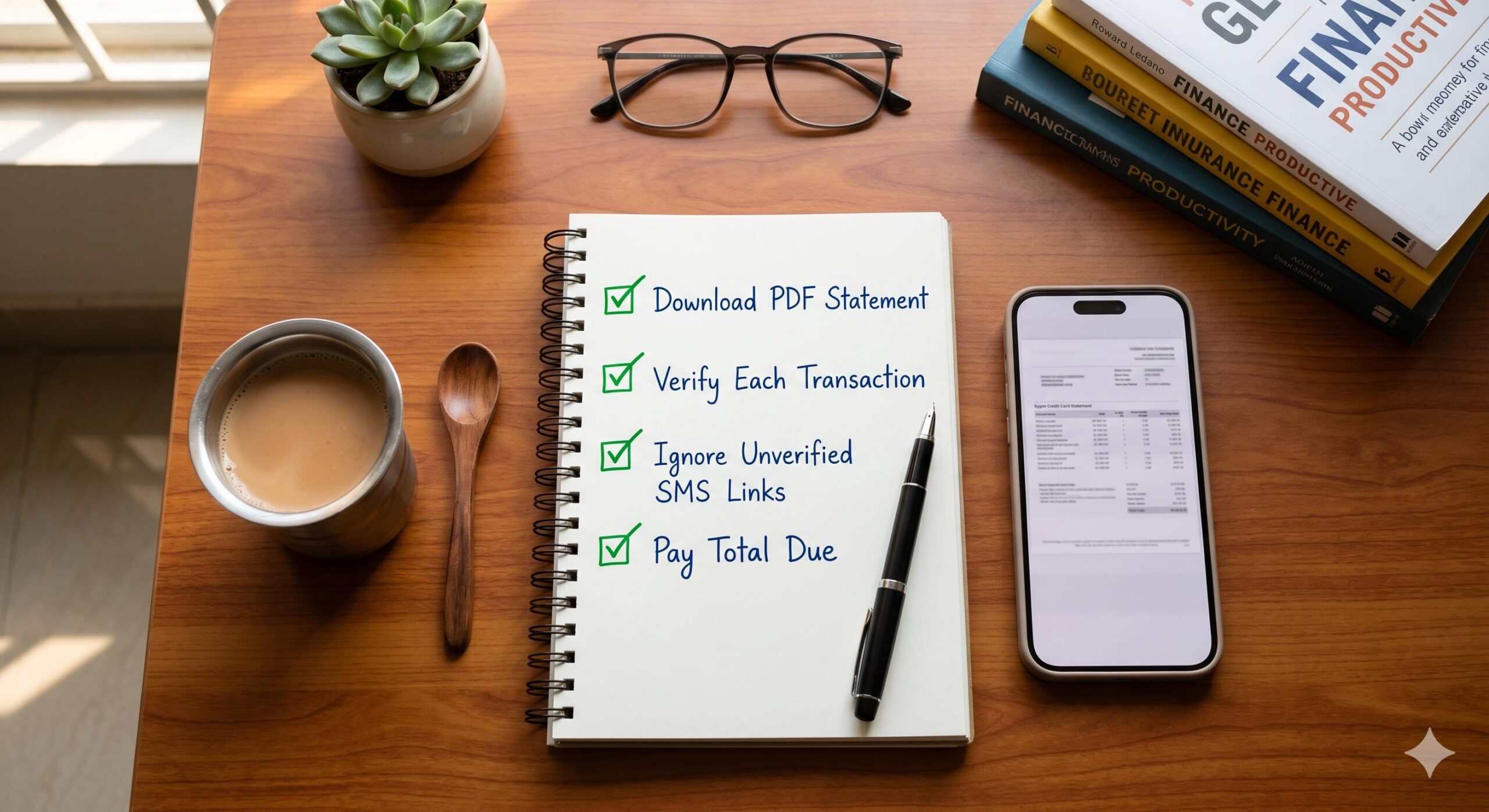
- Always Verify the Source: Never click on links received via SMS, WhatsApp, or email to pay your credit card bill. Always open your official banking app manually from your phone’s app drawer to initiate the payment.
- Read the Statement, Not Just the SMS: Do not just look at the final bill amount. Download the PDF statement sent to your email and review every single transaction. If you see a charge you do not recognize, report it to the bank immediately to block the card.
- Never Share Your Details: Remember that no bank employee will ever ask for your CVV, PIN, or OTP to help you process a bill payment.
- Set Calendar Reminders: Even if you use third-party apps, set a personal calendar reminder on your phone 5 days before the actual due date. This gives you a buffer in case the banking servers are down or a payment fails.
5. Smart Money Behavior: A Budgeting Approach
Ultimately, mastering credit card ka bill kaise bhare is not just a technical task; it is a lifestyle habit. The smartest financial behavior is to never spend money on a credit card that you do not already have sitting safely in your bank account.
To maintain excellent financial health, Indian middle-class households should structure their monthly income using logical budgeting methods, such as the 50/30/20 rule.
- Allocate 50% of your salary to absolute needs (rent, groceries, electricity, school fees).
- Allocate 30% to your wants (dining out, shopping, entertainment). This is exactly where your credit card spending should be contained.
- Allocate 20% directly into your savings or emergency funds as soon as your salary arrives.
If you stick to this discipline, you will always have enough liquidity in your savings account to pay the “Total Amount Due” on your credit card every single month. Treat your credit card like a debit card—use it for the reward points, convenience, and building a good credit history, but pay it off completely the moment the bill is generated.
By paying through secure official channels, ignoring scam links, and maintaining a strict monthly budget, you will protect your data, secure your CIBIL score, and ensure your family’s financial peace of mind.
Dukan Ke Liye Best Bank Loan: Secure Your Shop and Financial Future Today
Frequently Asked Questions (FAQs)
Q1: What happens if I only pay the “Minimum Amount Due” on my credit card? Answer: Paying only the minimum due is a dangerous financial trap. While it saves you from a late fee penalty, the bank will charge a massive interest rate (often 3% to 4% per month) on your remaining balance. Furthermore, any new purchases you make will instantly attract interest. Always try to pay the total amount due to protect your savings.
Q2: How much time does it take for a credit card bill payment to update? Answer: If you pay using your own bank’s official mobile app (for example, paying an HDFC card bill from an HDFC savings account), it updates almost instantly. If you use a third-party UPI app or NEFT from a different bank, it can take up to 2 to 3 working days for the payment to reflect in your credit card statement.
Q3: What should I do if my money is deducted, but the credit card bill payment fails? Answer: Do not panic and never search for customer care numbers on Google, as you might call a scammer. Usually, failed payments are automatically refunded to your bank account within 3 to 5 working days. If the due date is near, contact your bank through the official phone number printed on the back of your credit card.
Q4: Is it safe to use third-party UPI apps to pay my credit card bill? Answer: Yes, it is safe to use verified and trusted third-party apps like PhonePe, Google Pay, or CRED. However, always double-check the bill amount and your credit card number before entering your UPI PIN. Never click on payment links sent to you randomly via WhatsApp or SMS.
Q5: Can I pay one credit card bill using another credit card? Answer: Officially, banks do not allow direct payments from one credit card to another. While some third-party apps offer a “rent payment” or “wallet load” feature to indirectly move money from one card to another, they charge very high processing fees. Relying on one credit card to pay off another is a sign of a debt trap and should be strictly avoided.
Conclusion
To wrap things up, knowing exactly credit card ka bill kaise bhare safely is a non-negotiable skill in today’s digital banking world. Whether you choose to pay via your official banking app, set up an auto-debit mandate, or use a trusted UPI platform, the golden rule remains unchanged: always pay the “Total Amount Due” before the deadline.
By staying alert against fake SMS links, avoiding the dangerous “minimum due” trap, and managing your expenses with a disciplined monthly budget, you will protect your hard-earned money and maintain an excellent credit score. Treat your credit card responsibly, and it will be your best financial friend. Keep following Bachatbook.in for more simple, everyday financial awareness and money-saving tips!