
Introduction: The First Step to a Financially Secure Business
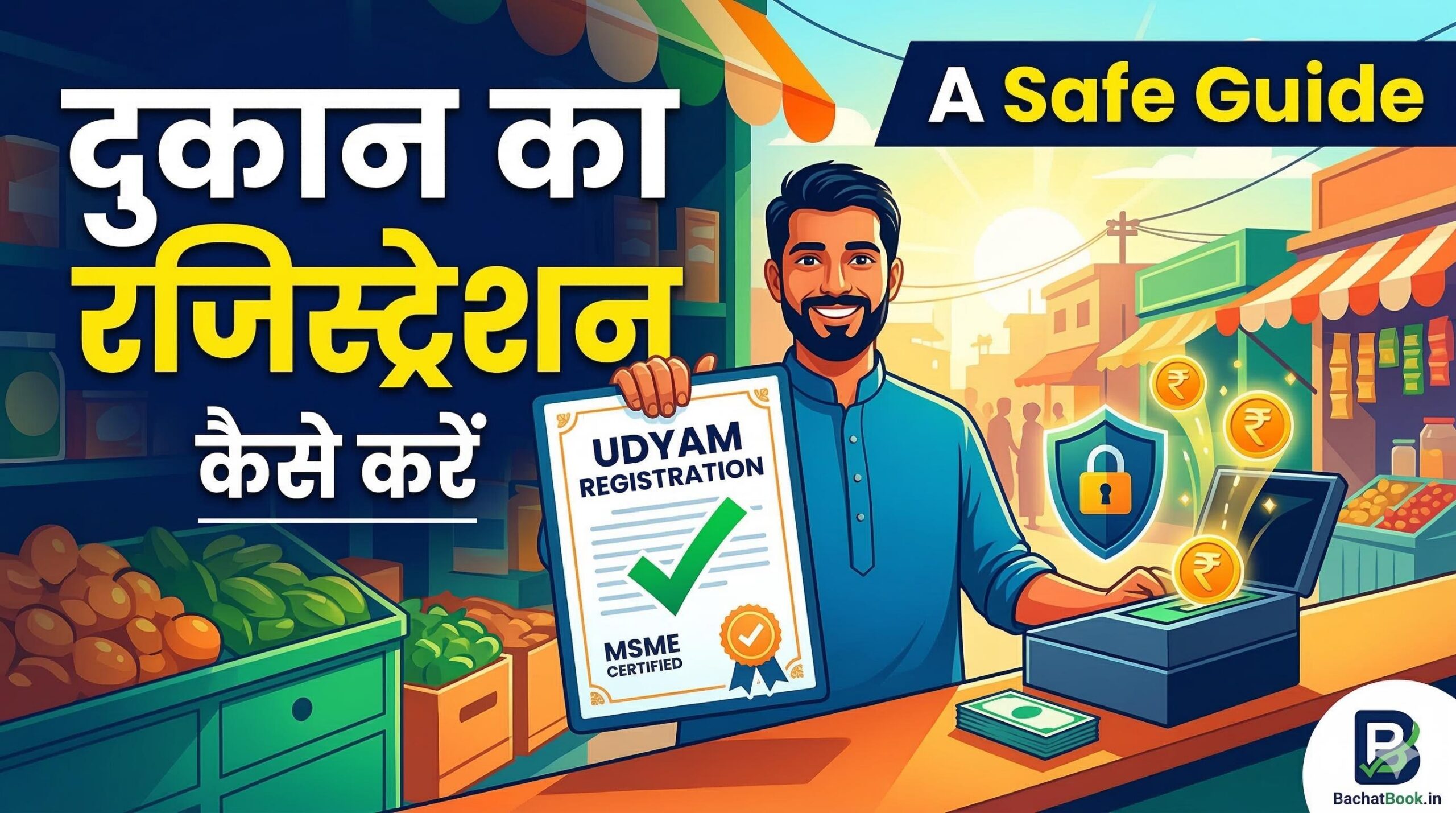
For many Indian middle-class families, opening a small shop, a local boutique, or a neighborhood grocery store is a major step toward financial independence. However, the excitement of setting up the physical store often overshadows the most critical financial step: the legal paperwork. If you are searching for dukan ka registration kaise kare (how to register a shop), you are already on the right path to securing your business.

Operating an unregistered shop might seem like a way to save time today, but it leaves your hard-earned capital vulnerable to fake municipal inspectors, daily harassment, and severe financial penalties tomorrow. Without a legal identity, your shop cannot get a bank loan, cannot open a current account, and cannot be insured. In this comprehensive guide, we will break down the exact, free, and safe government processes required to legally register your shop, protect your data from scam agents, and build a solid, legally bulletproof foundation for your family’s financial future.
Table of Contents
The Hidden Risks of an Unregistered Shop
When salaried employees help their spouses or parents open a small shop, or when students launch a side business, they often skip the legal paperwork to save time. This lack of legal foundation creates a massive opportunity for financial loss. The biggest hidden risk here is not just legal compliance; it is the vulnerability to organized extortion and data theft.
The Fake Inspector Scam
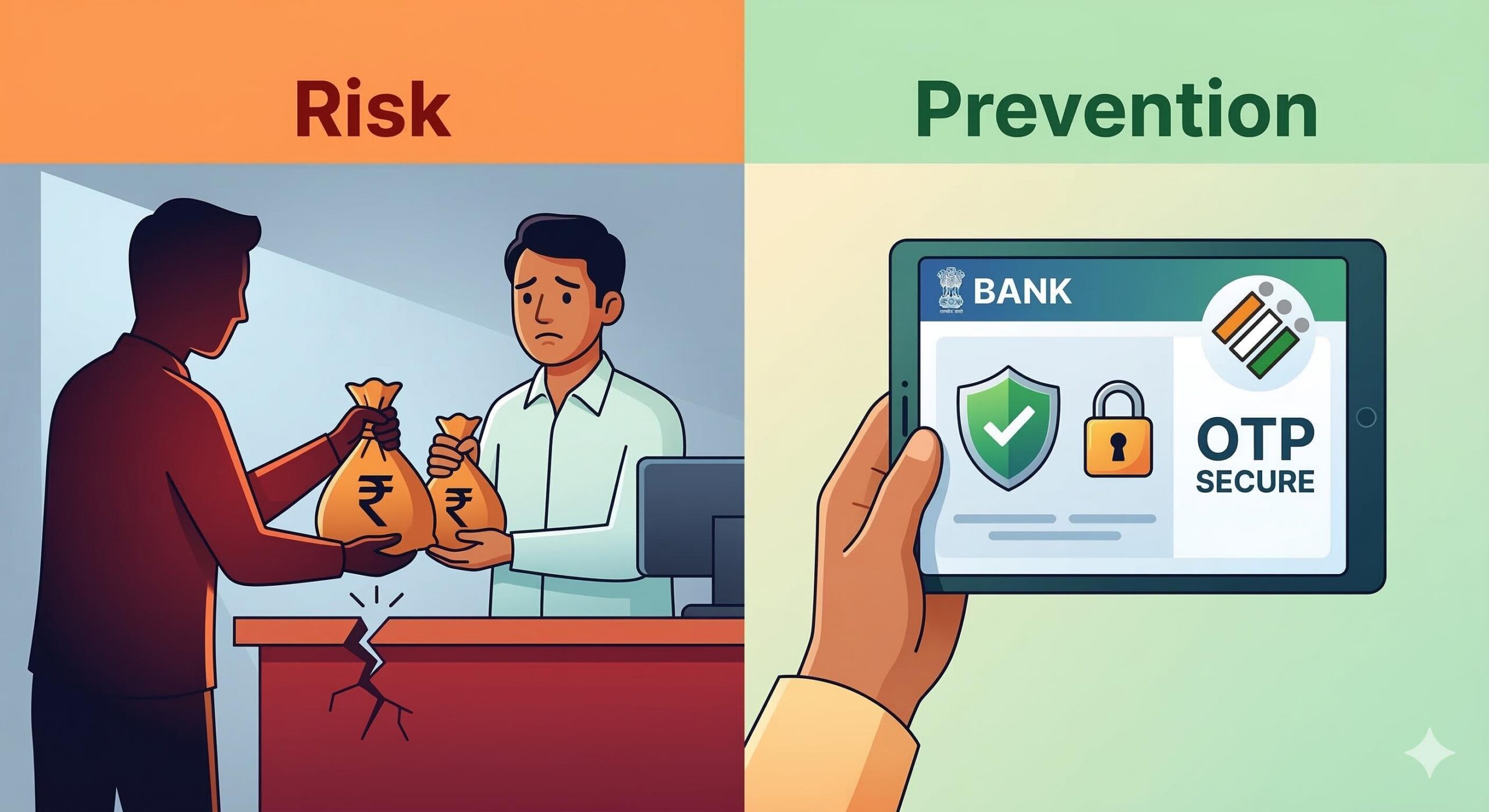
Because unregistered shops lack an official government certificate to display on their walls, they become easy targets for fraudsters posing as municipal officers or labor department inspectors. These individuals know that you do not have legal standing, so they threaten to shut down your shop or seize your goods unless an immediate “fine” or bribe is paid in cash. This is a common form of extortion that unregistered shopkeepers face regularly.
Data Privacy Risks from Third-Party Agents
Another major risk occurs when shop owners realize they need a license but rely on unauthorized “WhatsApp agents” or unverified local brokers who promise a quick fix. Legally, for standard retail registrations like Udyam, the government does not charge a fee, and the process only requires basic PAN and Aadhaar authentication. Handing over your OTPs, Aadhaar photocopies, and PAN details to an unverified broker simply to get your dukan ka registration exposes you to massive data privacy risks, identity theft, and unauthorized loans taken out in your name.
Financial Impact: The Heavy Cost of Ignoring Registration
Failing to properly register your shop has severe, direct financial consequences that impact both your daily cash flow and your family’s long-term financial security.
Direct Loss of Hard-Earned Capital
The most immediate financial impact is the continuous drain on your profits through fines, penalties, or forced bribes. If you are constantly paying off local authorities just to keep your doors open, that money is effectively stolen from your household budget. Furthermore, if an official raid does occur and your shop is sealed, you lose days or weeks of income, destroying your carefully planned budget.
Forced Reliance on Loan Sharks

For middle-class families running a small business, expanding the shop or buying bulk inventory requires capital. However, official banks demand a business registration certificate (like Udyam or a Shop & Establishment License) to grant low-interest business loans like the PM Mudra Yojana. Without proper registration, your loan application will be immediately rejected. This forces you to borrow from local moneylenders or unauthorized loan apps at disastrous interest rates of 30% to 40% per year, pushing your family into a severe debt trap.
Inability to Open a Current Bank Account
If your shop is not legally registered, no major Indian bank will allow you to open a business Current Account in the name of your shop. This means you will be forced to use your personal Savings Account for business transactions. Mixing personal family savings with daily shop income makes it impossible to track profits, calculate actual expenses, and creates major income tax complications at the end of the financial year.
Prevention Habits: How to Protect Your Money and Data
To ensure your business money is safe and your legal standing is protected, you must adopt strict verification habits when handling your shop’s paperwork.
- Do It Yourself via Official Portals: Do not pay thousands of rupees to unverified brokers. The only safe way to complete the process is by using official government websites ending in
.gov.in. For Udyam, only useudyamregistration.gov.in. The process is completely free.
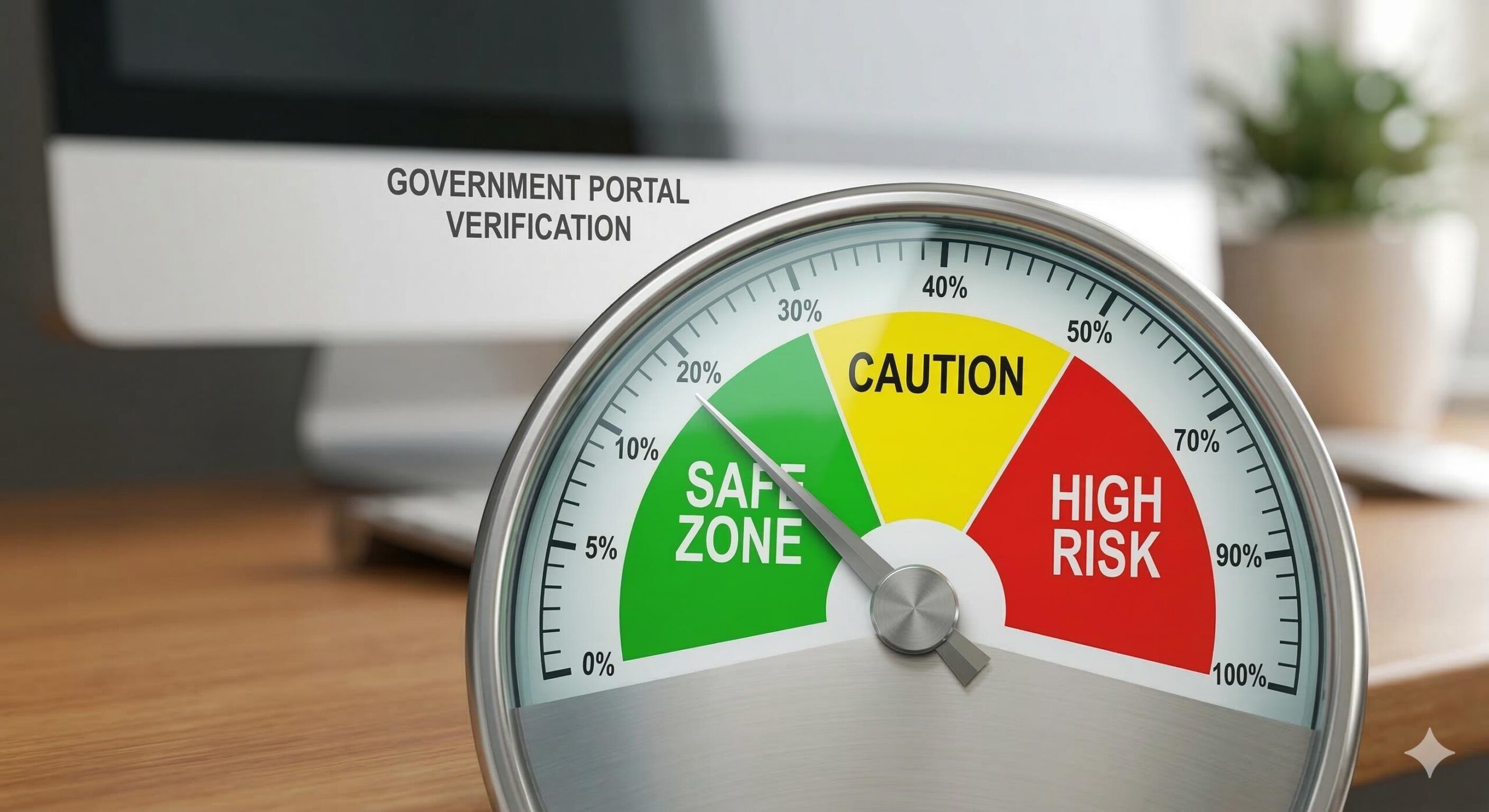
- Never Share Aadhaar OTPs for Registration: If a “consultant” asks for an Aadhaar OTP over a phone call to complete your dukan ka registration, immediately decline. Always input OTPs yourself directly on the official government website.
- Display Your Certificate Proudly: Once your registration is complete, print out the Udyam Certificate or Shop & Establishment License and frame it prominently behind your counter. A clearly displayed legal document is the fastest way to deter fake inspectors and extortionists from harassing you.
- Demand Official Challans: If an inspector visits your shop and claims you have violated a rule, never pay cash directly into their hands. Smart money behavior means demanding an official, printed government challan (receipt) that you can pay online or at an authorized bank.
- Register for FSSAI if Selling Food: If your shop sells any packaged snacks, beverages, or raw food items, a basic FSSAI registration (which costs just ₹100 per year for small shops via the
foscos.fssai.gov.inportal) is mandatory. Without it, your entire inventory can be legally confiscated.
Smart Money Behavior: Moving Beyond the Counter
Understanding how to legally register your business is a core part of broader financial literacy. Smart money behavior means treating your small shop not just as a daily hustle, but as a legally protected financial asset for your family.
Separate Business and Personal Finances immediately
Once you secure your dukan ka registration, take that certificate straight to your bank and open a dedicated Current Account in your shop’s name. By ensuring all supplier payments and customer receipts go through this account, you protect your family’s bachat (savings) account from business risks. This simple habit brings absolute clarity to your budgeting.
Organize for Insurance and Protection
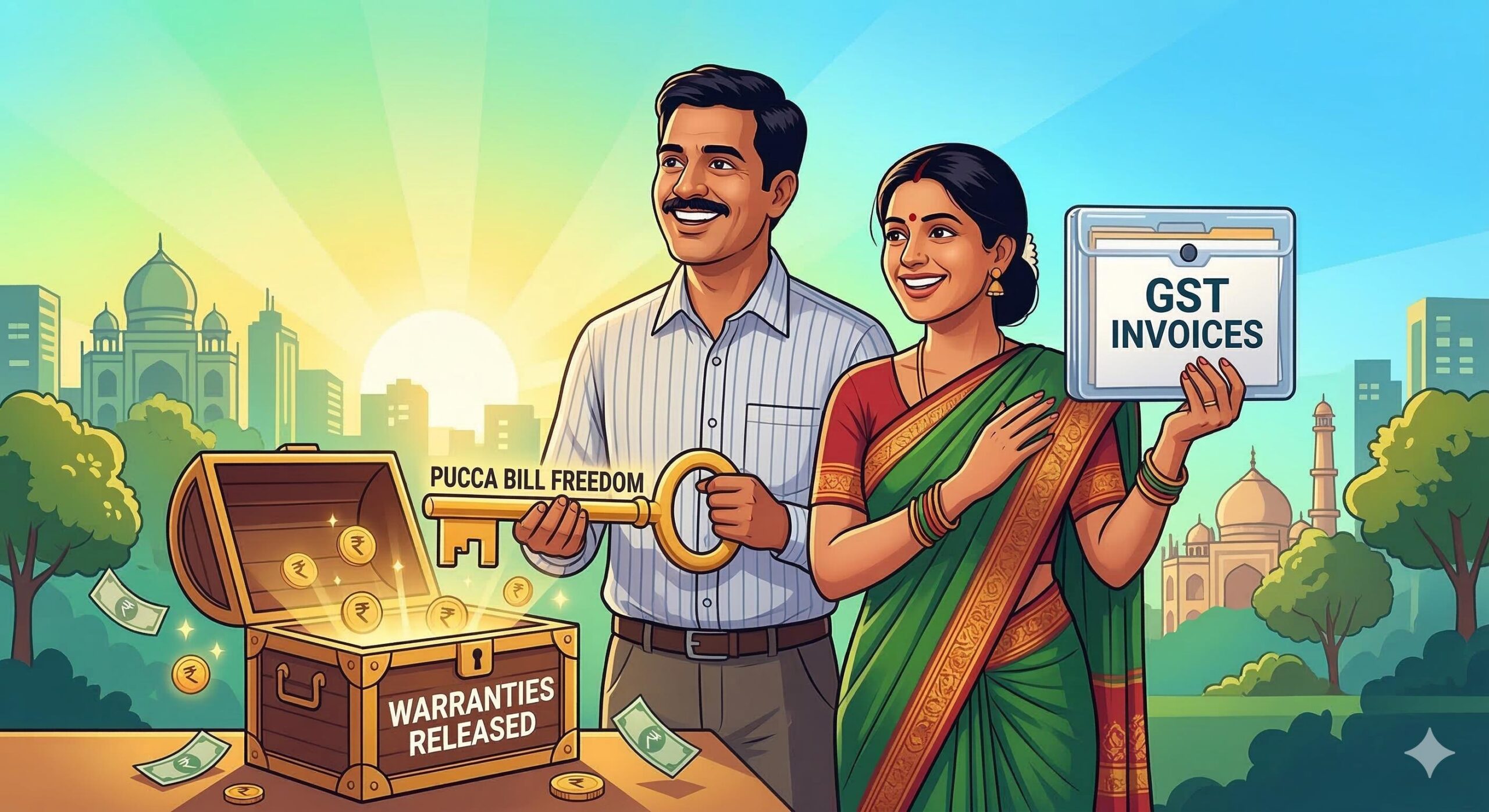
Smart financial families protect their assets from disasters. If a fire breaks out, a short circuit occurs, or a major theft happens at your shop, you can lose lakhs of rupees overnight. However, to purchase Commercial Shop Insurance, the insurance company will demand your legal shop registration documents. Getting registered today means you can buy an affordable insurance policy tomorrow, transferring the financial risk away from your family’s savings and onto the insurance company.
Frequently Asked Questions (FAQ)
Is it mandatory to pay a broker or agent to register my shop? No, absolutely not. The most important registration for small businesses in India is the Udyam Registration (MSME), and it is 100% free on the official government portal (udyamregistration.gov.in). You do not need to pay thousands of rupees to unverified WhatsApp agents, and you should never share your Aadhaar OTPs with third-party brokers, as this leads to severe data privacy risks.
What are the basic documents required for a Shop and Establishment (Gumasta) License? While exact rules vary slightly by state, the basic requirements are always the same: you need your PAN Card, your Aadhaar Card, a passport-sized photograph, and a valid address proof for the shop. This address proof can be an electricity bill in your name, or a legally drafted rent agreement/NOC (No Objection Certificate) from the property owner.
Can I open a business Current Account without registering my shop? No. As per strict banking guidelines, no authorized Indian bank will allow you to open a Current Account in your shop’s name without valid proof of business existence. An Udyam Certificate or a Shop and Establishment License acts as this mandatory proof. Operating a business using only your personal Savings Account is a bad financial habit that complicates your income tax filings.
Do I need a different registration if my shop sells food or snacks? Yes. If your shop sells any kind of food—including packaged snacks, cold drinks, raw groceries, or cooked meals—an FSSAI Registration is legally mandatory in India. Operating a food business without an FSSAI certificate is a severe offense that can result in your entire inventory being confiscated and heavy financial penalties being applied. It costs only ₹100 per year for a basic registration via the official FoSCoS portal.
Do I need a GST number to do my dukan ka registration? Not necessarily. Getting your basic shop registration (like Udyam or Gumasta) is the first step and does not automatically require a GST number. You only need to register for GST if your shop’s annual sales turnover crosses the government threshold (currently ₹40 Lakhs for goods in most states, and ₹20 Lakhs for services). If your shop is small, you can legally operate with just your Udyam and local shop licenses.
Mudra Loan Form Kaise Bhare: Step-by-Step Guide for Small Business Owners
Conclusion: A Legal Foundation for Financial Peace
Figuring out dukan ka registration kaise kare is much more than a bureaucratic headache; it is a vital shield for your family’s financial stability. By taking an afternoon to visit official government portals, uploading your basic KYC documents, and securing your legal certificates, you actively protect yourself from extortion, high-interest debt traps, and devastating business closures.
True bachat (saving) is not just about keeping money in a bank; it is about ensuring that the business generating your income is legally bulletproof. By demanding legal compliance for your own shop, you protect your hard-earned capital, unlock official banking support, and build a safe, stress-free foundation for your financial future.
Disclaimer: Educational purposes only. The content of this article is designed to provide general awareness regarding shop registration and financial safety in India. It is not professional financial, tax, or legal advice. Always consult with a certified Chartered Accountant (CA) or legal professional for specific business taxation, licensing, or legal queries.