
Introduction
Saving money in India has always been challenging, but in 2026, it requires a mix of traditional discipline and modern digital smarts. With inflation rising and household expenses touching new highs, every rupee saved is crucial. However, saving isn’t just about cutting costs—it is also about protecting your hard-earned money.
As we move towards a completely cashless economy, the risk of digital fraud has increased. You might save ₹500 on groceries, but if you lose ₹5,000 to a scanner because of a lack of UPI payment safety for shops 2026 awareness, your financial health takes a hit.
This guide is designed for Indian middle-class families, students, and salaried professionals. We will cover how to build a realistic monthly budget and, equally importantly, how to shop safely using UPI to ensure your savings stay in your bank account, not a scammer’s pocket.
Table of Contents
Why Saving Money Is Important in India
For most Indian families, savings are the only safety net. Unlike in some western countries, we often rely on our own funds for medical emergencies or sudden job losses.
- Emergency Fund: Life is unpredictable. A sudden medical bill or urgent home repair can derail your finances if you don’t have liquid cash (savings) ready.
- Family Responsibilities: In India, we often support aging parents or extended family. Having a financial buffer ensures you can help your loved ones without taking high-interest loans.
- Job Uncertainty: The job market can be volatile. Having 6 months of expenses saved gives you the freedom to find the right job without panic.
- Future Goals: Whether it is a child’s education, a dream home, or a comfortable retirement, these goals require years of disciplined saving.
Common Reasons Indians Fail to Save Money
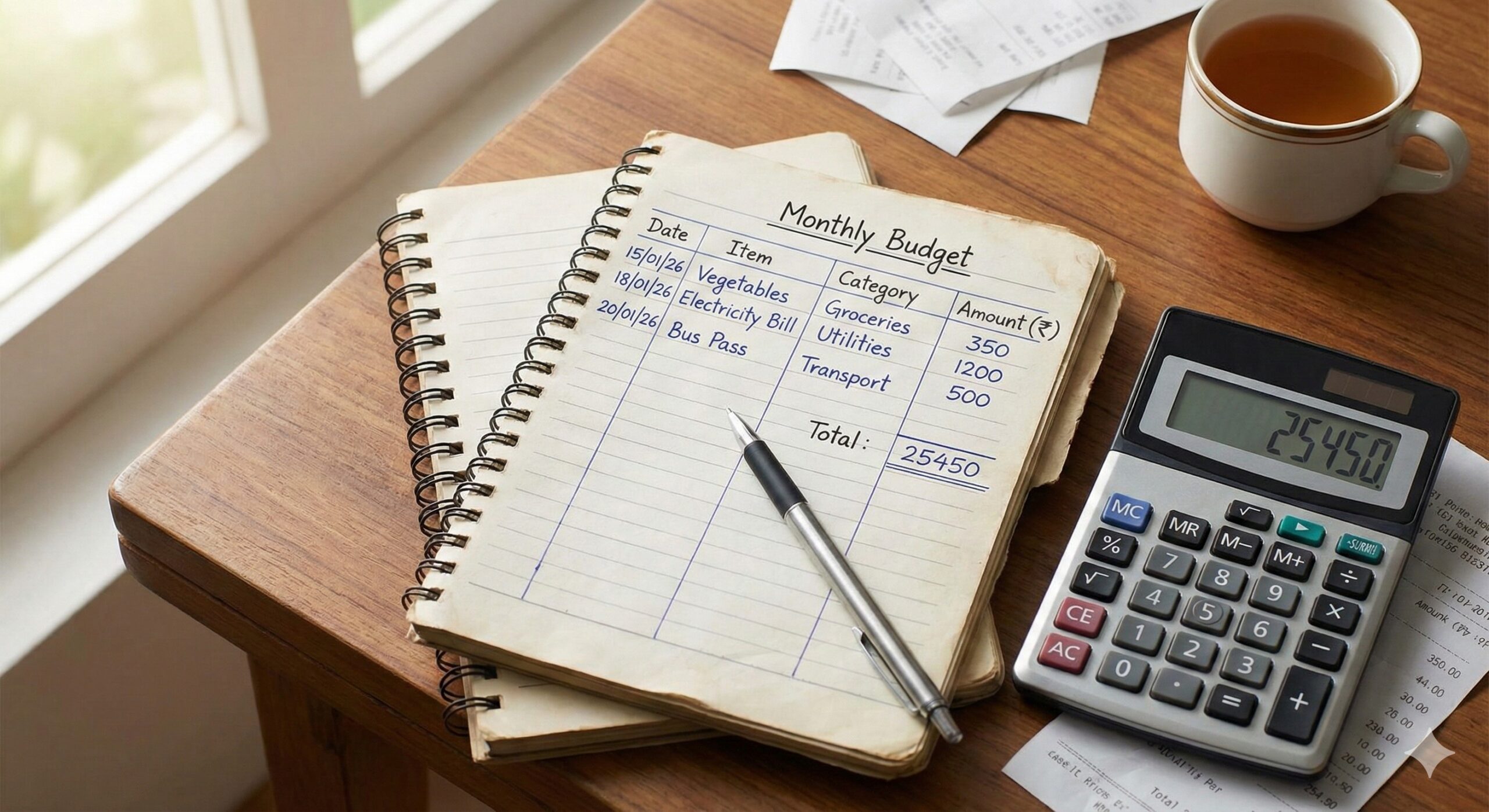
Even with good intentions, many of us struggle to save. Recognizing these traps is the first step to fixing them.
- Lack of Budgeting: Many families spend first and save what is left. Often, nothing is left.
- Impulse Spending: The ease of online shopping and 10-minute grocery deliveries makes it easy to buy things we don’t need.
- EMI Overload: Buying phones, appliances, or even clothes on “No Cost EMI” can trap you. A large chunk of your salary goes into paying off yesterday’s purchases.
- Lifestyle Inflation: As our salary increases, our expenses often increase to match it, leaving our savings rate stagnant.
- Digital Fraud Losses: A newer reason for financial loss is UPI fraud. Losing money to scams is a direct hit to your savings.
Step-by-Step Monthly Budgeting Method
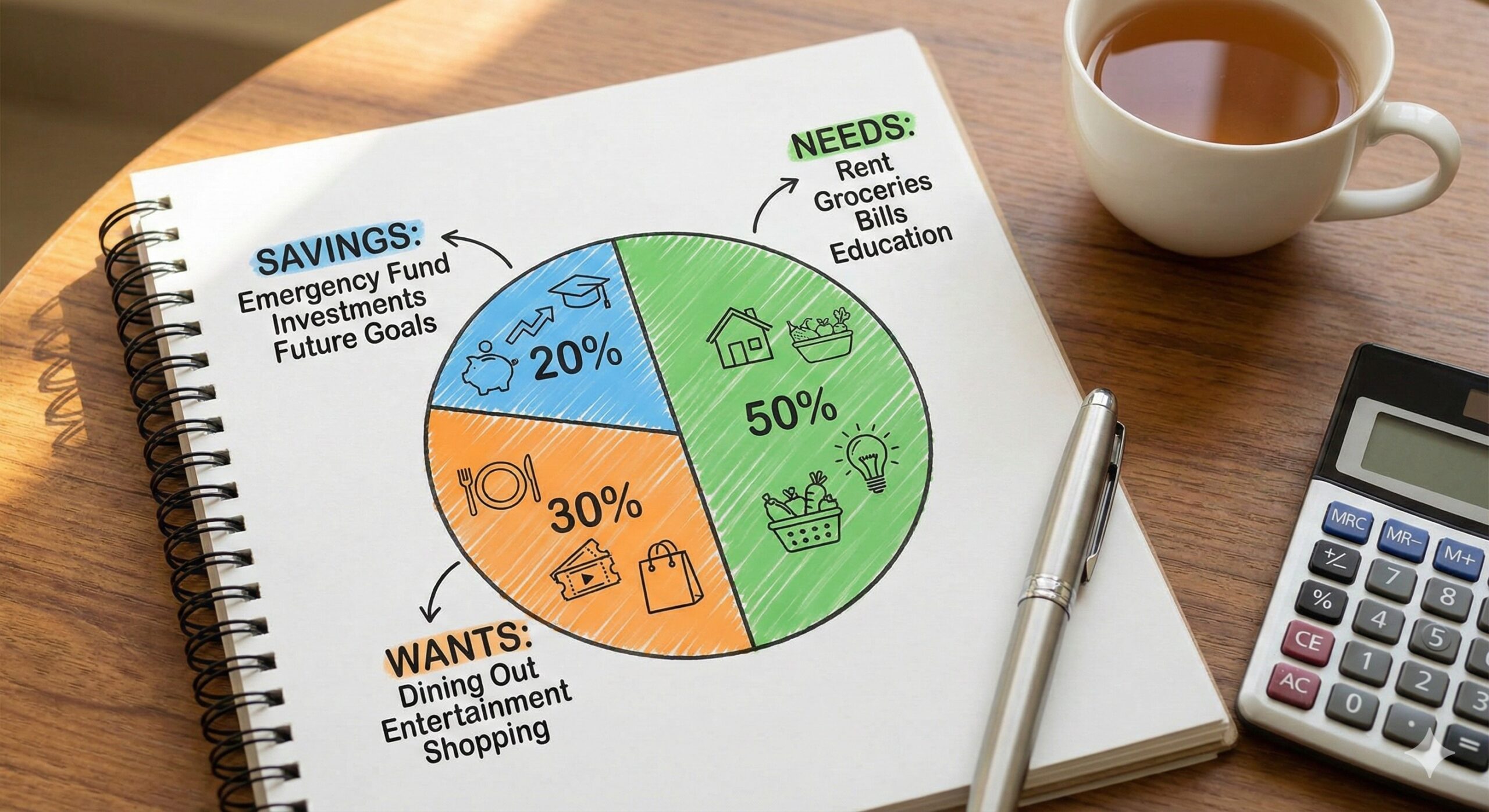
A budget gives every rupee a job. Here is a simple method tailored for an Indian household earning ₹50,000 per month (example figures).
1. Calculate Net Income
Start with your “in-hand” salary after tax and PF deductions. Include any other sources of income like rent or freelance work.
2. The 50-30-20 Rule (Indian Context)
Divide your income into three buckets:
- 50% Needs (₹25,000): Rent, grocery, school fees, electricity, mobile bills, transport. These are unavoidable.
- 30% Wants (₹15,000): Dining out, movies, OTT subscriptions, shopping, festivals.
- 20% Savings (₹10,000): Investments, RD (Recurring Deposit), Emergency Fund.
3. Track Your Expenses
Write down every expense. If you spend ₹20 on tea, note it down. You will be surprised to see where your money actually goes.
Note: Adjust these percentages based on your city. In metros like Mumbai or Bangalore, “Needs” might take 60% due to high rent. That is okay; just aim to reduce “Wants” to balance it.
Smart Money Saving Tips for Indian Households
Small changes in daily habits can save thousands over a year.
Grocery Savings
- Buy in Bulk: Non-perishables like rice, dal, and oil are cheaper when bought in 10kg or 5kg packs.
- Stick to a List: Never go grocery shopping without a list. Supermarkets are designed to make you impulse buy.
- Seasonal Vegetables: Buy vegetables that are in season. They are cheaper and healthier.
Electricity & Gas Savings
- Switch to LED: Replace old bulbs with LEDs to cut lighting costs by up to 50%.
- AC Usage: Run your AC at 24°C instead of 18°C. It is comfortable and consumes much less power.
- LPG Subsidy: Check if you are eligible for any government subsidy on LPG cylinders.
Mobile & Internet Bills
- Family Plans: Instead of individual recharges for four members, check if a postpaid family plan or a shared broadband plan is cheaper.
- Review Subscriptions: Do you need Netflix, Prime, Hotstar, and SonyLIV? Rotate subscriptions based on what you are watching.
UPI Payment Safety for Shops 2026: Essential Tips
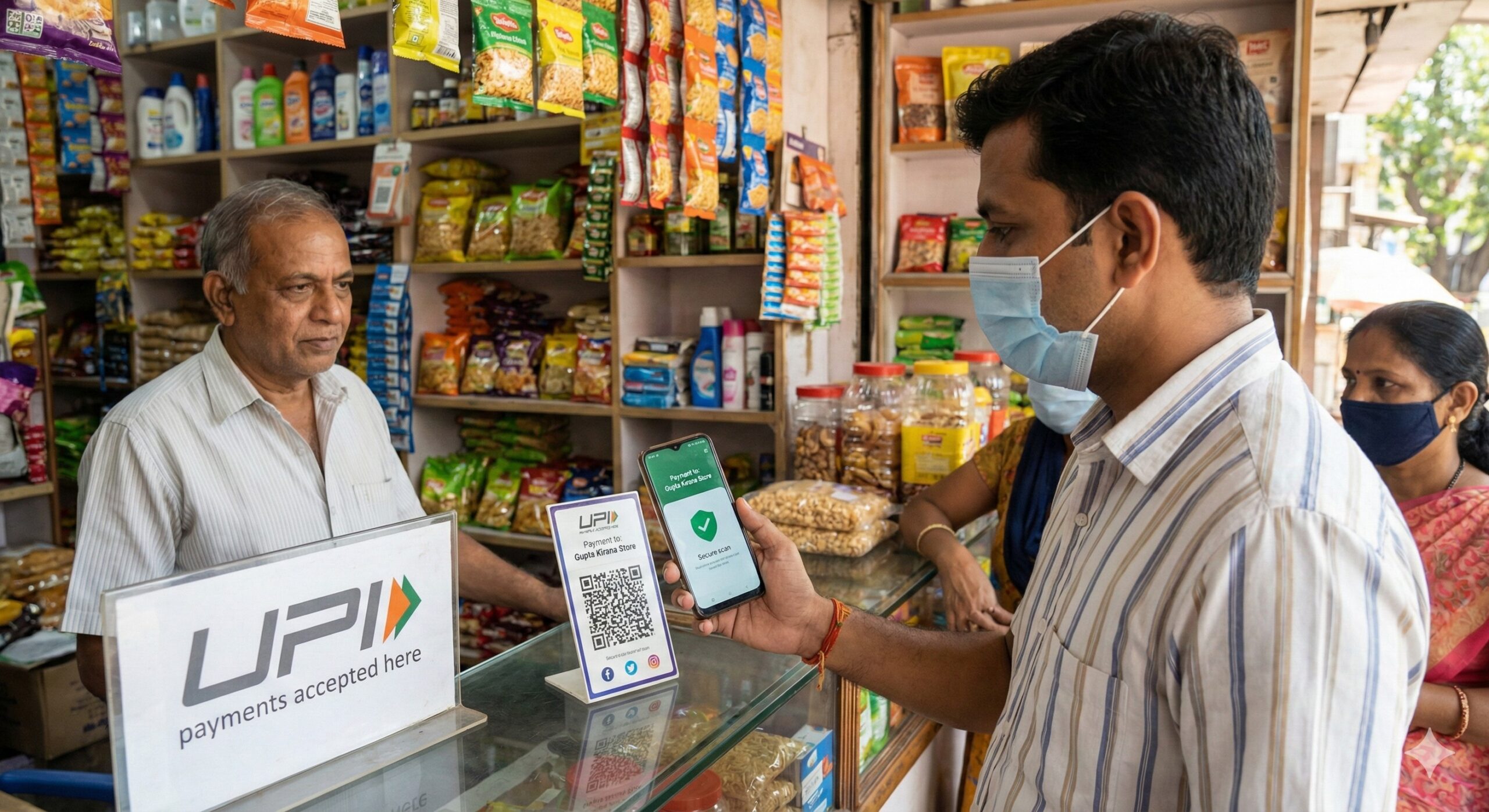
As we discuss saving money, we must discuss protecting it. With the rise of digital payments, UPI payment safety for shops 2026 is a critical topic. Shopkeepers and customers alike must be vigilant.
1. The “Request Money” Scam
This is the most common fraud. Remember: You only need your UPI PIN to SEND money, never to RECEIVE money. If a shopkeeper or a buyer on OLX asks you to enter your PIN to “receive a refund” or “accept payment,” it is a scam.
2. QR Code Safety
When scanning a QR code at a local Kirana shop:
- Verify the Name: After scanning, check the name displayed on your phone. Does it match the shop’s name?
- Look for Tampering: Ensure the QR code sticker hasn’t been pasted over another one.
3. Screen Sharing Fraud
Fraudsters may ask you to download “support apps” (like AnyDesk or TeamViewer) to fix a payment issue. Never download these apps at the request of a stranger. They allow the scammer to see your screen and steal your UPI PIN.
4. RBI & Bank Guidelines (2026 Awareness)
- Transaction Limits: Be aware of the daily UPI limits set by your bank.
- SMS Alerts: Always enable SMS alerts for every transaction, no matter how small.
- Two-Factor Authentication: As per upcoming trends, ensure your UPI app is locked with a fingerprint or separate app PIN, not just your phone’s screen lock.
Saving Money for Students & Young Earners
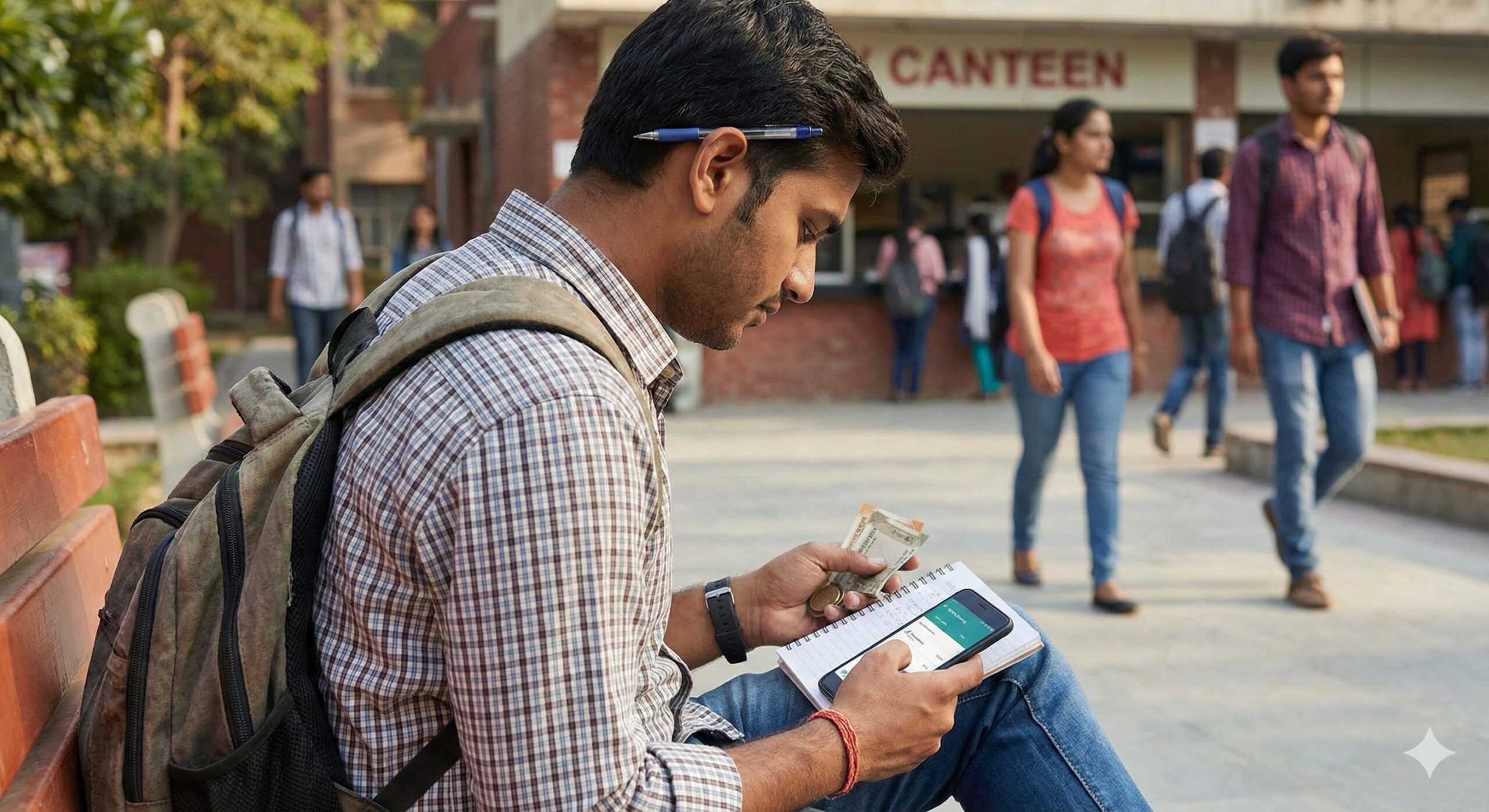
If you are a student or in your first job, building habits now will make you wealthy later.
- Pocket Money Management: Treat your pocket money like a salary. Save 10% before you spend the rest.
- Student Discounts: Always ask for student discounts on travel, software, and food outlets. Your ID card is a discount coupon.
- Expense Tracking: Use a simple notebook or app to track where your money goes.
- Avoid the “Buy Now Pay Later” Trap: It is tempting to buy expensive gadgets on EMI, but this debt eats into your future freedom. If you can’t pay cash for a luxury, you can’t afford it yet.
Digital Tools That Help Save Money (Neutral)
Technology can be your friend in budgeting.
- Budgeting Apps: Apps like Walnut or Money View (examples, not endorsements) automatically read your transaction SMS and categorize your spending into “Food,” “Travel,” etc.
- Bank Alerts: Set a limit on your debit card. If you cross a certain spending amount, your bank can send you an alert.
- UPI Lite: For small payments under ₹500, use UPI Lite (if available). It keeps your main bank statement clean and reduces the risk of exposing your main PIN frequently.
Long-Term Saving Habits Indians Should Build

Saving is a marathon, not a sprint.
- Discipline: The ability to say “no” to unnecessary purchases is your biggest asset.
- Goal-Based Saving: Don’t just “save.” Save for something. Label your funds: “Car Fund,” “Emergency Fund,” or “Diwali Fund.”
- Review Expenses Monthly: Sit down with your family on the last Sunday of every month. Discuss where you overspent and how to fix it next month.
- Increase Savings with Income: If you get a 10% salary hike, increase your savings by 10% too. Don’t just increase your spending.
FAQ Section
Q1: How much should I save monthly in India? A: Aim for at least 20% of your monthly income. If that is too hard, start with 5-10% and gradually increase it as you reduce unnecessary expenses.
Q2: Is budgeting necessary for low income? A: Yes, budgeting is more important for low incomes. It helps you prioritize essentials (Roti, Kapda, Makaan) and ensures you don’t run out of money before the month ends.
Q3: How can families save money easily? A: Cook at home more often, reduce electricity wastage, and buy non-perishable groceries in bulk. Also, review family mobile/data plans for cheaper shared options.
Q4: What is the golden rule of UPI safety? A: Never share your UPI PIN to receive money. PIN is only for sending money.
Q5: Are budgeting apps safe? A: Most reputable apps use bank-grade security. However, always read the privacy policy and ensure they do not ask for your full bank login password or UPI PIN.
Q6: How to avoid impulse buying online? A: Follow the “24-Hour Rule.” If you like something, add it to the cart but wait 24 hours before buying. Often, the urge to buy will pass.
Conclusion
Saving money in 2026 is about being smart—smart with your budget and smart with your security. Whether you are a student saving pocket money or a parent managing a household, the principles remain the same: track your expenses, cut waste, and protect your digital wallet.
Remember, financial freedom doesn’t come from earning a lot; it comes from managing well what you earn. Start your budgeting journey today, and keep your UPI transactions safe!