
Introduction: The Digital Boom and the Hidden Threat
India has seen a massive revolution in digital payments over the last few years. Whether it is scanning a QR code for morning groceries, paying electricity bills online, or sending money to family via UPI, managing our finances has never been easier. However, this convenience comes with a hidden threat that targets hard-working individuals every single day.
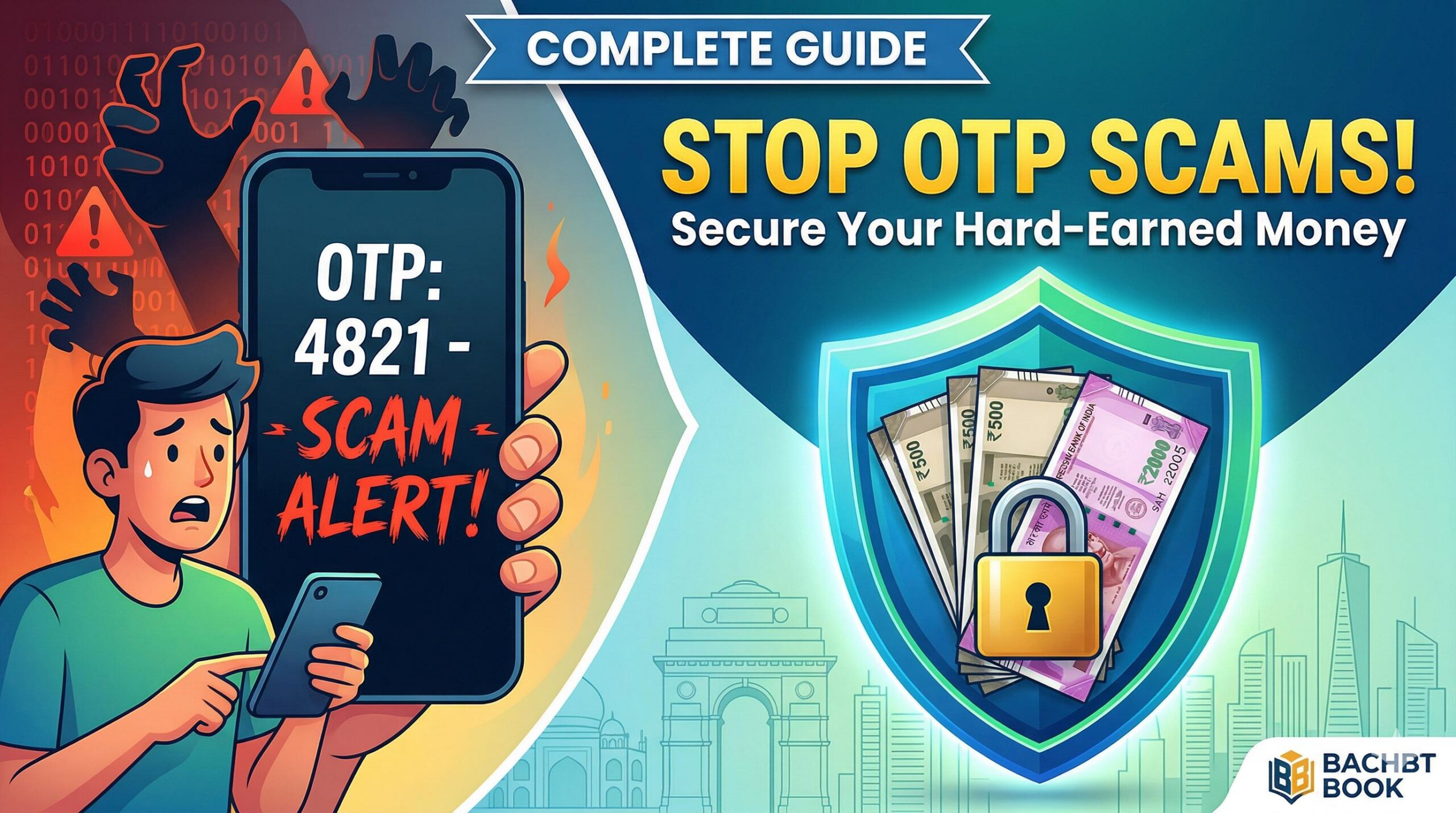
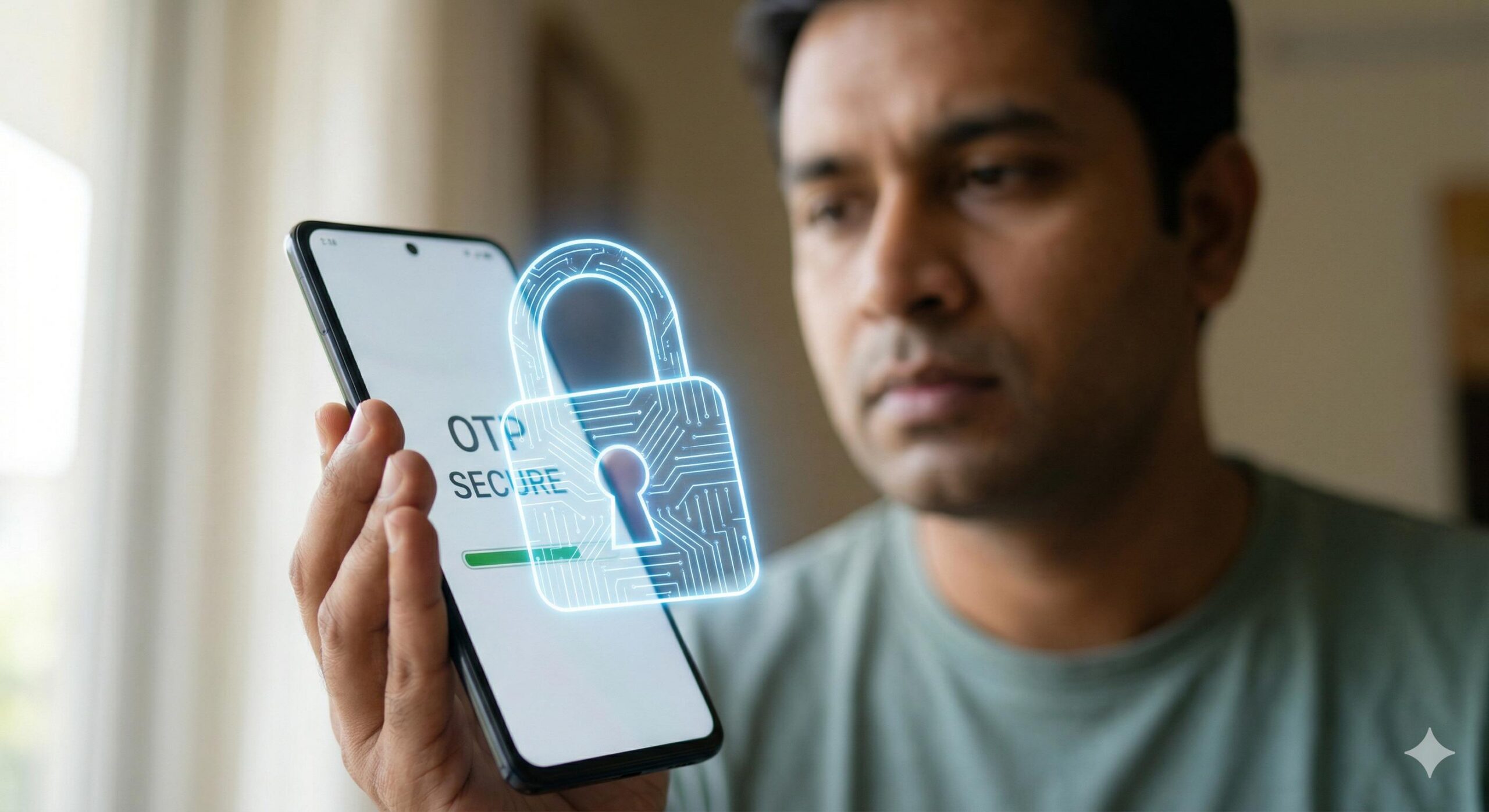
An OTP (One-Time Password) is a secure, temporary 4-to-6-digit code sent to your mobile phone to verify your identity during a bank transaction. Unfortunately, cybercriminals use tactics of panic or greed to trick you into sharing this code. Once shared, fraudsters gain instant access to withdraw your savings. This OTP scams protection guide is created to help Indian middle-class families, students, and salaried employees understand how these frauds operate. By recognizing the immediate warning signs and building daily security habits, you can keep your financial future safe from digital thieves.
Disclaimer: This article is strictly for educational purposes only and does not constitute professional financial advice. Always consult with your bank or the official cybercrime portal for specific security concerns.
Table of Contents
The Risk: How OTP Scams Operate in India
To truly protect yourself, you must understand the psychological tricks fraudsters use. Scammers rarely hack into your bank account using complex software; instead, they manipulate you into handing over the keys. Here are the most common scenarios you might encounter:
1. The “Electricity Disconnection” Panic
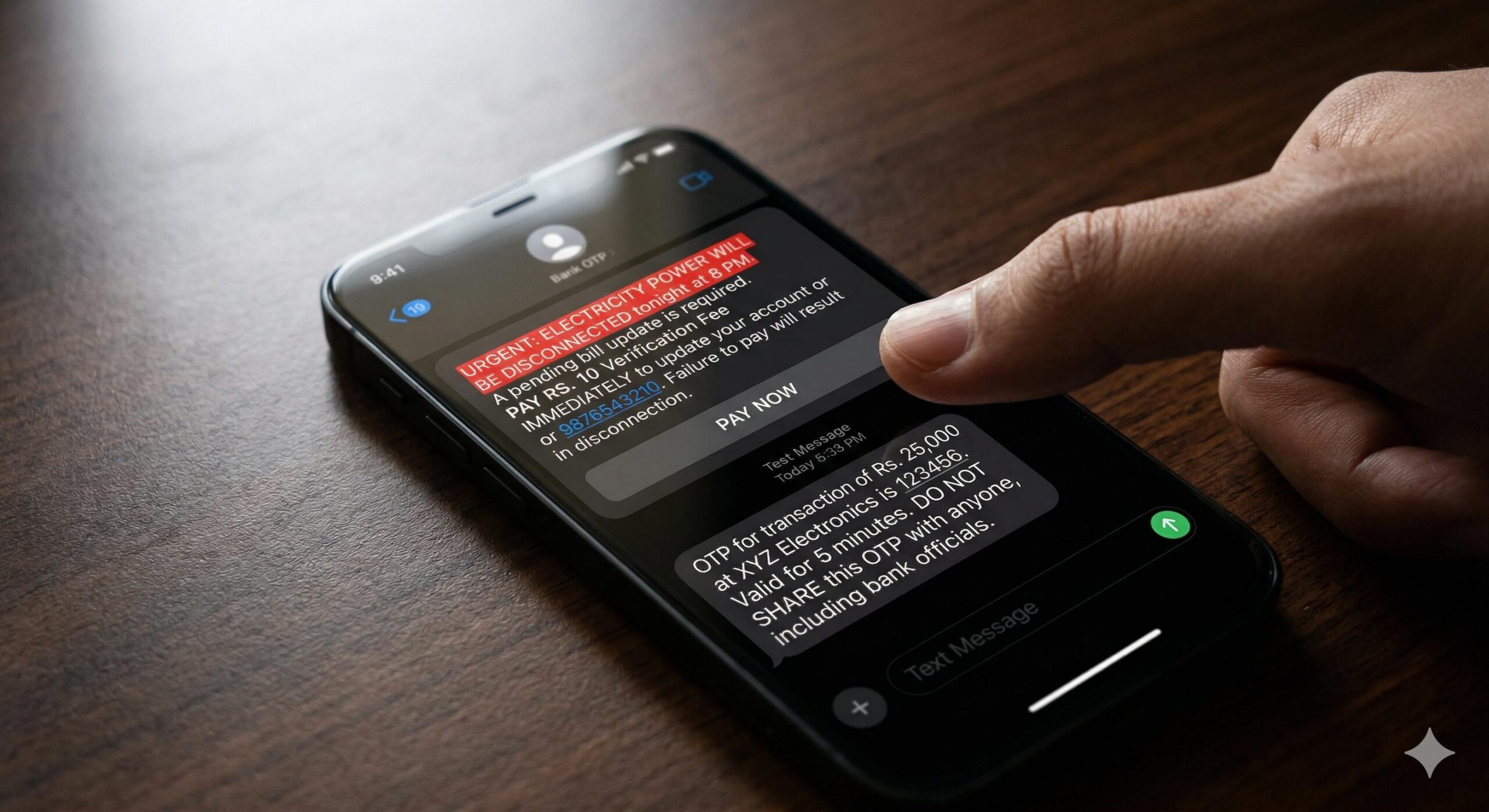
You receive an SMS warning: “Dear consumer, your electricity power will be disconnected tonight at 9:30 PM because your previous month’s bill was not updated. Call our executive immediately.” When you call, the scammer asks you to pay a tiny fee (like ₹10) for “verification” and sends you an OTP to process it. By reading that OTP back to them, you are actually authorizing a transaction for thousands of rupees.
2. The Urgent KYC or PAN Update
Fraudsters frequently pose as customer service agents from major Indian banks (like SBI, HDFC, or ICICI). They warn you that your bank account, credit card, or UPI access will be blocked within 24 hours if you do not complete your KYC (Know Your Customer) or PAN card linking. They send a link or ask for an OTP to “verify your identity in the system.”
3. Fake Government Scheme Enrollment
Scammers often take advantage of popular Indian government initiatives. You might get a call offering to fast-track your application for housing subsidies, business loans, or schemes like the Lakhpati Didi program. To “process your application file,” they request your banking details and the OTP sent to your phone.
4. The Screen-Sharing Trap
If a scammer cannot convince you to read the OTP aloud, they will ask you to download a “customer support application” from the Play Store, such as AnyDesk or TeamViewer. These are legitimate screen-sharing apps, but once installed, the scammer can see everything on your phone screen—including the SMS containing your bank OTP—without you ever saying a word.
The Financial Impact: Why Prevention is Everything
At Bachatbook.in, we often discuss strategies for budgeting, cutting daily expenses, and building a safety net. However, all the financial discipline in the world means nothing if your funds are wiped out by a cyber fraudster in seconds.
The financial impact of an OTP scam goes far beyond the immediate loss of your bank balance:
- Loss of Emergency Funds: Middle-class families often lose money saved over years for medical emergencies or children’s education.
- Credit Card Debt: If a scammer uses your credit card, you are suddenly burdened with high-interest debt that you did not spend.
- Damage to Financial Reputation: While you dispute fraudulent credit card charges with your bank, unpaid balances can severely damage your CIBIL score, making it difficult to get legitimate home or auto loans in the future.
- Mental and Emotional Stress: The guilt and anxiety of falling for a scam can take a heavy toll on a family’s well-being.
Once money leaves your account via an authorized OTP, recovering it is extremely difficult because the bank considers the transaction authorized by you. This is why following an OTP scams protection guide is your primary line of defense.
Your OTP Scams Protection Guide: Core Preventive Habits
Protecting your wealth requires vigilance. Implement these strict rules in your household today to build an unbreakable wall against financial fraud.
- Rule 1: Never Share an OTP Over the Phone No legitimate bank manager, police officer, telecom operator, or customer care executive will ever ask you for your OTP. Treat your OTP like your ATM PIN. If someone asks for it, immediately disconnect the call.
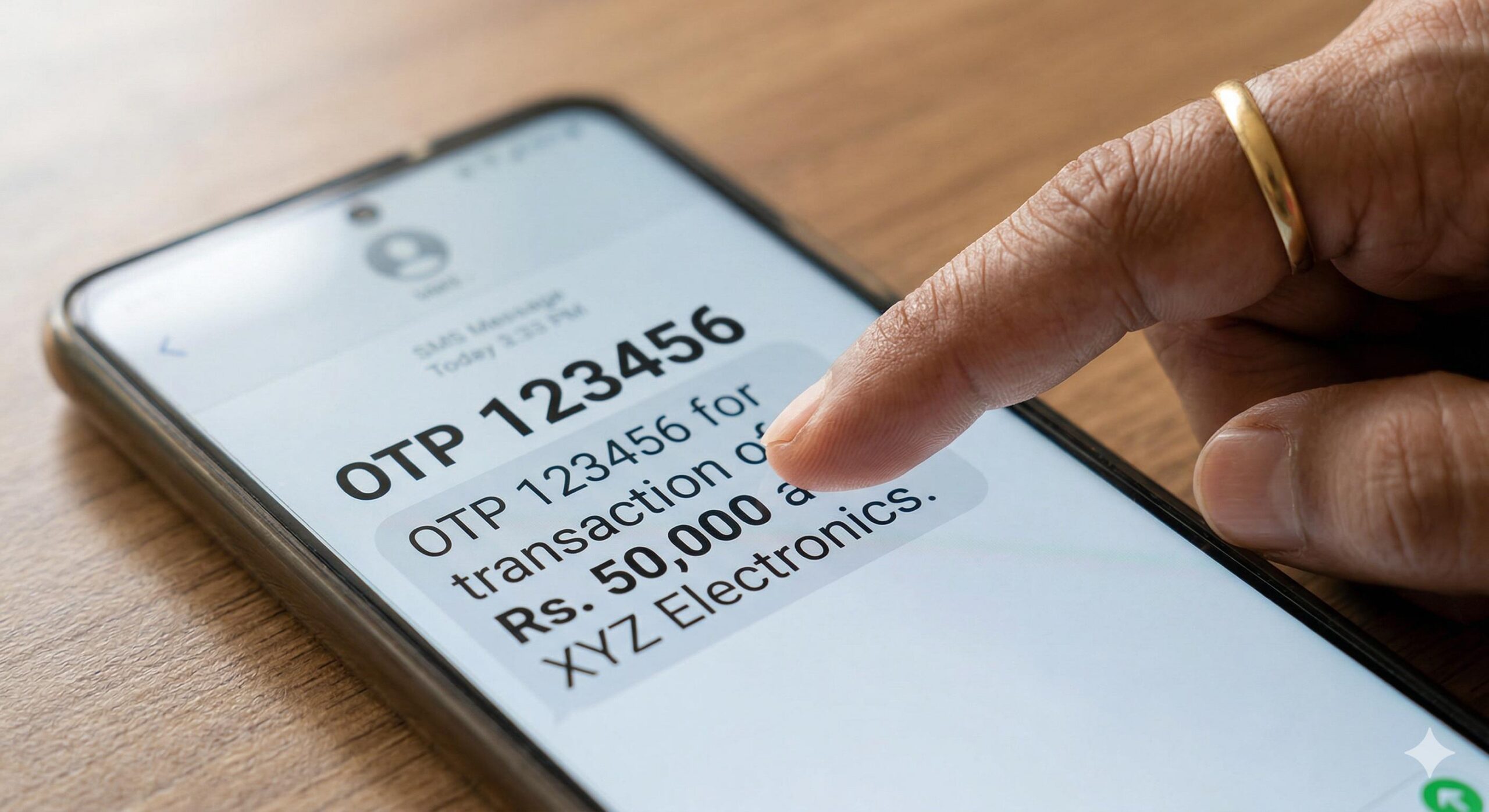
- Rule 2: Read the Full SMS Carefully When you receive an OTP, do not just look at the 6-digit number. Read the entire message. The SMS usually states the transaction amount and the merchant name (e.g., “OTP for Rs. 50,000 at XYZ Electronics”). If you are trying to pay a ₹10 electricity fee and the message says ₹50,000, stop immediately.
- Rule 3: Beware of Incoming “Customer Care” Calls If you have a problem with a bank or a delivery, find the official customer care number on the back of your debit card or the official website. Do not trust numbers found randomly on Google search results, as scammers frequently upload fake helplines to trap people.
- Rule 4: Say No to Remote Access Apps If a stranger on the phone asks you to download AnyDesk, TeamViewer, or QuickSupport to “help you,” hang up the phone. These apps give them complete control over your device.
- Rule 5: Do Not Click on Unknown Links (APKs) Avoid clicking on links sent via SMS or WhatsApp from unknown numbers claiming you have won a lottery, have a pending package, or need to update your KYC. These links can install malware (APK files) on your phone that silently forwards your incoming SMS messages to the scammer.
Smart Money Behavior: Securing Your Financial Setup
Beyond avoiding scams, practicing smart money management minimizes your risk if a mistake ever happens. Adopt these financial safety habits to protect your overall net worth.
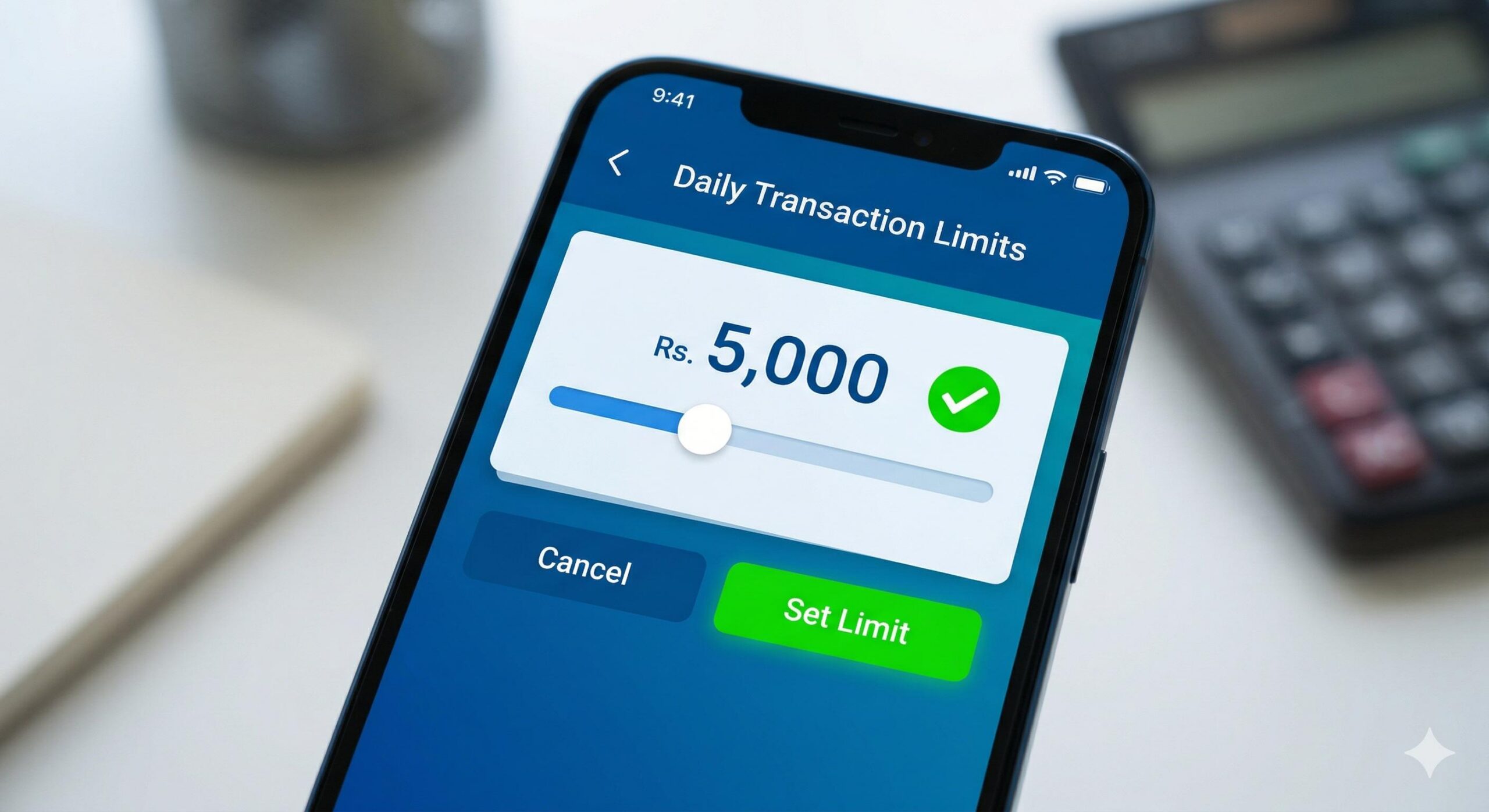
- Set Strict Transaction Limits: Log into your bank’s mobile app or net banking portal and set daily limits for your debit and credit cards. Set a daily limit of ₹5,000 or ₹10,000 for online domestic transactions. If a scammer gets your OTP, they can only steal up to that limit.
- Maintain a Separate “Daily Use” Account: Do not link your primary savings account—the one holding your salary, fixed deposits, and life savings—to UPI apps (like Google Pay, PhonePe, or Paytm). Instead, open a separate, basic bank account with a limited balance (e.g., ₹5,000) for daily grocery shopping.
- Monitor Your Statements Regularly: Make it a weekly habit to scan your bank statements. If you notice any small charge of ₹10 or ₹50 that you do not recognize, report it to the bank immediately.
Frequently Asked Questions (FAQs) About OTP Frauds
1. Can a scammer hack my bank account just by knowing my mobile number? No. Just knowing your mobile number or bank account number is not enough to steal your money. The scammer absolutely needs your OTP, UPI PIN, or internet banking password to complete a transaction. This is why they call you and try to trick you into sharing it.
2. What should I do immediately if I accidentally shared an OTP with a scammer? Time is your biggest asset. First, immediately call your bank’s toll-free emergency number to block your debit card, credit card, and net banking access. Second, dial 1930, the Indian Government’s National Cyber Crime Reporting Helpline, to register a complaint. Reporting within the “Golden Hour” increases the chances of freezing the scammer’s account.

3. Will my bank refund my money if I get scammed? It depends on the situation and how fast you report it. If the fraud happened due to a security flaw at the bank’s end, you are usually fully protected. However, if you voluntarily shared your OTP or downloaded a screen-sharing app, banks often argue that you authorized the transaction, making it very difficult to get a refund. Always report it to 1930 and your bank immediately to start the dispute process.
4. How do these scammers know my name, bank name, or the last 4 digits of my card? Scammers buy leaked data from the dark web. When random websites, delivery apps, or local shops have data breaches, your basic details (name, phone number, and sometimes bank name) get exposed. Scammers use these small details to sound legitimate and gain your trust on the phone.
Digital Khata App for Dukan: A Complete Guide to Safe Business Accounting
Conclusion: Financial Awareness is Your Best Investment
Building wealth through careful budgeting and saving is only half the journey; protecting that wealth is equally important. As digital payments become a permanent part of our daily lives in India, cybercriminals will continue to invent new stories to access your funds.
By following the rules outlined in this OTP scams protection guide, you turn yourself from an easy target into a highly secure digital citizen. Remember, true financial security starts with healthy skepticism. Never rush a transaction out of fear, never share your private codes, and always verify who is on the other end of the phone. Stay vigilant, educate your elderly family members, and keep your hard-earned money exactly where it belongs—with you.