

Introduction
Saving money in India has become a significant challenge for middle-class families and small entrepreneurs alike. With the rising cost of living, fuel price hikes, and general inflation, many find their monthly income exhausted well before the month ends. For a small shopkeeper or a salaried employee, the pressure to maintain a lifestyle while securing the future can feel overwhelming. However, it is important to remember that financial stability is not always about earning more; it is about managing what you have more effectively.
In 2026, the landscape of small business and personal finance in India is evolving. Many individuals are looking for ways to expand their small ventures or start new ones, often asking, Mudra loan kaise le 2026? While seeking external capital is a valid path for growth, it must be supported by a solid foundation of saving and budgeting. Small daily habits—like tracking minor expenses or choosing energy-efficient options—can lead to massive cumulative savings over time. This guide is based on common financial habits and challenges faced by Indian households, providing you with a roadmap to navigate your finances with confidence.
Table of Contents
Why Saving Money Is Important in India
In the Indian socio-economic context, savings serve as a critical buffer against various life stages and uncertainties.
Emergency Fund
Health emergencies or sudden job losses can strike without warning. Without a dedicated emergency fund, many families are forced into high-interest debt traps. Aiming for a fund that covers at least six months of basic expenses is a fundamental safety net.
Family Responsibilities
In India, we often carry collective responsibilities, including children’s higher education, marriage expenses, and supporting elderly parents. These milestones require long-term financial planning and disciplined saving.
Job Uncertainty and Business Dips
With the changing global economy, no job is 100% secure. For small business owners, market fluctuations can lead to months of low sales. Savings ensure that your household continues to run smoothly during these lean periods.
Common Reasons Indians Fail to Save Money
Understanding why we fail is the first step toward success. Here are the most common “savings killers” in Indian households:
- Lack of Budgeting: Many people spend first and try to save what is left. Usually, nothing is left.
- Impulse Spending: The ease of UPI and online shopping leads to many unplanned purchases that eat into the monthly budget.
- EMI Overload: Buying gadgets, clothes, or cars on “No Cost EMI” might seem attractive, but multiple EMIs can lock up a huge portion of your income.
- Lifestyle Inflation: Increasing your spending every time you get a salary hike prevents you from building real wealth.
Step-by-Step Monthly Budgeting Method
A budget is not a restriction; it is a plan. Follow these steps to create a simple monthly budget in Indian Rupees (INR).
1. Identify Your Total Income
Include your base salary, any side business profits, or rental income. Always calculate the “in-hand” amount after taxes and PF deductions.
2. List Fixed Expenses
These are non-negotiable costs that remain constant:
- House Rent/Home Loan EMI: ₹15,000
- Children’s School Fees: ₹5,000
- Insurance Premiums: ₹2,000
- Utility Bills (Electricity/Water): ₹3,000
3. List Variable Expenses
These can be adjusted based on your needs:
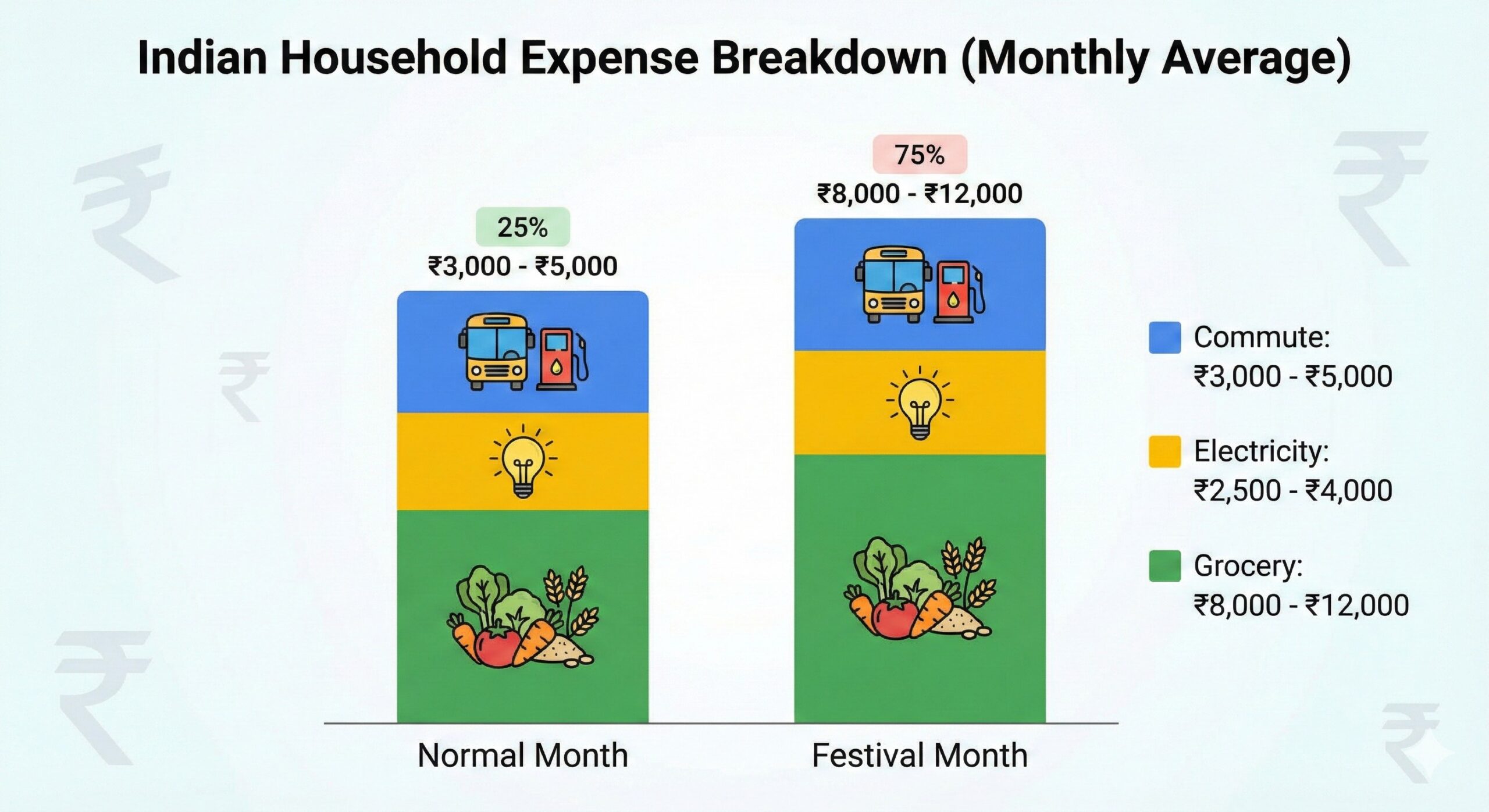
- Groceries: ₹8,000
- Commute/Fuel: ₹4,000
- Entertainment/Dining: ₹3,000
4. The 50/30/20 Rule
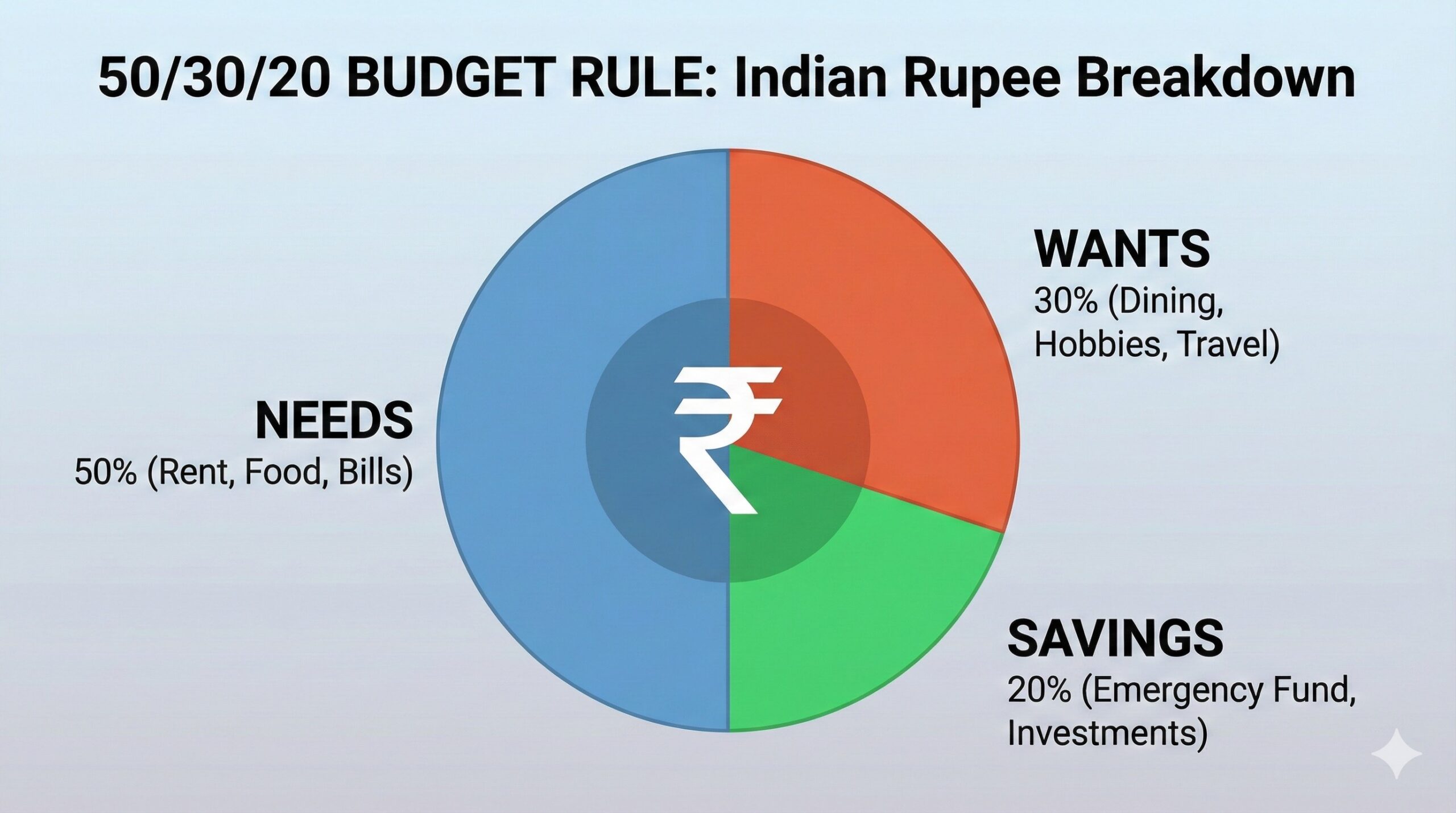
A practical way to allocate your income is to use 50% for Needs (Essentials), 30% for Wants (Lifestyle), and 20% for Savings and Debt Repayment.
Mudra Loan Kaise Le 2026: Small Business Support

For those looking to boost their small business income, the Pradhan Mantri Mudra Yojana (PMMY) remains a key resource. If you are wondering Mudra loan kaise le 2026, here is the basic framework:
- Shishu: Loans up to ₹50,000 (For startups and very small businesses).
- Kishor: Loans above ₹50,000 and up to ₹5 Lakh (For businesses needing expansion).
- Tarun: Loans above ₹5 Lakh and up to ₹10 Lakh (For established small businesses).
How to Apply:
- Business Plan: Prepare a clear plan of what you want to do with the money.
- Contact a Bank: Visit any public or private sector bank, Regional Rural Bank (RRB), or Micro Finance Institution (MFI).
- Documentation: You will need ID proof, address proof, and business identity documents. No collateral is generally required for Mudra loans.
Using a Mudra loan wisely can help you increase your business turnover, which in turn allows you to save more for your family.
Smart Money Saving Tips for Indian Households
Grocery Savings
- Buy Local and Seasonal: Avoid imported fruits; buy what is in season at the local mandi.
- Bulk Buying: Non-perishables like rice, pulses, and oil are cheaper when bought in 5kg or 10kg packs.
Electricity & Gas Savings
- LED Bulbs: Replace all old bulbs with LEDs to cut lighting costs by up to 80%.
- Induction Cooking: With rising LPG prices, using an induction cooktop for small tasks can be more cost-effective.
Daily Spending Habits
- The 24-Hour Rule: Before buying something non-essential, wait for 24 hours. Most of the time, the urge to buy will fade.
- Cancel Unused Subscriptions: Check your bank statement for OTT or app subscriptions you no longer use.
Saving Money for Students & Young Earners
Financial literacy starts early. For students and those in their first jobs:
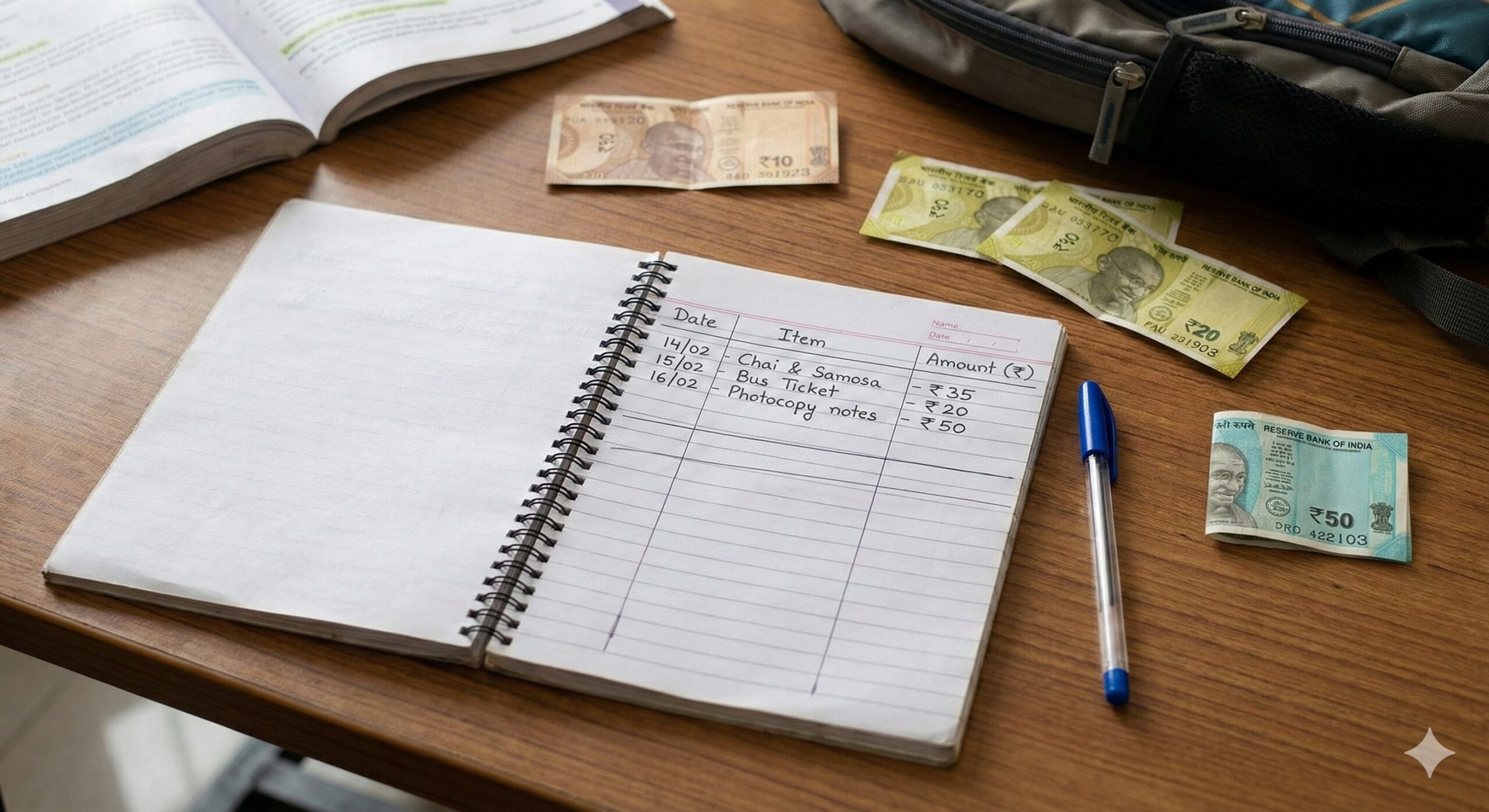
- Track Pocket Money: Use a small diary to note every ₹10 spent on chai or snacks.
- Student Discounts: Always use your ID card for travel, software, and laptop purchases.
- Avoid Credit Debt: Do not fall for “Buy Now, Pay Later” schemes. If you don’t have the cash today, don’t buy the item.
Digital Tools That Help Save Money
Technology makes tracking easier and more neutral.
- Expense Tracking Apps: Many free apps automatically read your transaction SMS and categorize your spending into “Food,” “Travel,” etc.
- Bank Balance Alerts: Ensure your bank sends you an alert for every transaction to help you stay aware of your balance.
- Auto-Debit for Savings: Set up a “Recurring Deposit” (RD) that deducts money on your salary date.
Long-Term Saving Habits Indians Should Build
- Consistency Over Intensity: It is better to save ₹1,000 every month for ten years than ₹50,000 once in a blue moon.
- Goal-Based Saving: Assign a name to your savings account, like “House Downpayment” or “Europe Trip.” It makes you less likely to spend it.
- Monthly Expense Review: Sit down with your family on the 1st of every month to see where the previous month’s money went.
FAQ Section
1. Mudra loan kaise le 2026? To get a Mudra loan, you need to visit a bank with a business plan. Fill out the application form under Shishu, Kishor, or Tarun categories, and provide your KYC documents. No third-party guarantee or collateral is usually needed.
2. How much should I save monthly in India? While 20% of your income is the ideal goal, even saving 5% consistently is a great start. The key is to increase this percentage as your income grows.
3. Is budgeting necessary for low-income earners? Yes, budgeting is actually more important for those with lower incomes. It ensures that every rupee is utilized for survival and essential growth rather than being wasted on hidden expenses.
4. How can families save money easily? Start with energy conservation, cooking more meals at home, and avoiding unnecessary social spending to “show off.” Using public transport or carpooling also helps significantly.
5. What are common money mistakes in India? The most common mistakes include taking high-interest personal loans for weddings, not having health insurance, and ignoring the power of small, regular savings.
6. Do I need a high credit score for a Mudra loan? While a good credit history is helpful, Mudra loans are specifically designed to help small entrepreneurs who might not have access to traditional formal credit.
Conclusion
Building a secure financial future in India doesn’t require a miracle; it requires a method. By understanding how to manage your daily expenses and leveraging government schemes—like knowing Mudra loan kaise le 2026 for business growth—you can take control of your destiny. Remember that every small amount saved is a brick in the wall of your financial freedom. Focus on your habits, stay disciplined, and stay consistent.
Disclaimer: This content is for educational purposes only and does not constitute professional financial advice. Always consult with a financial expert or bank official before making major financial decisions or applying for loans.