
Introduction
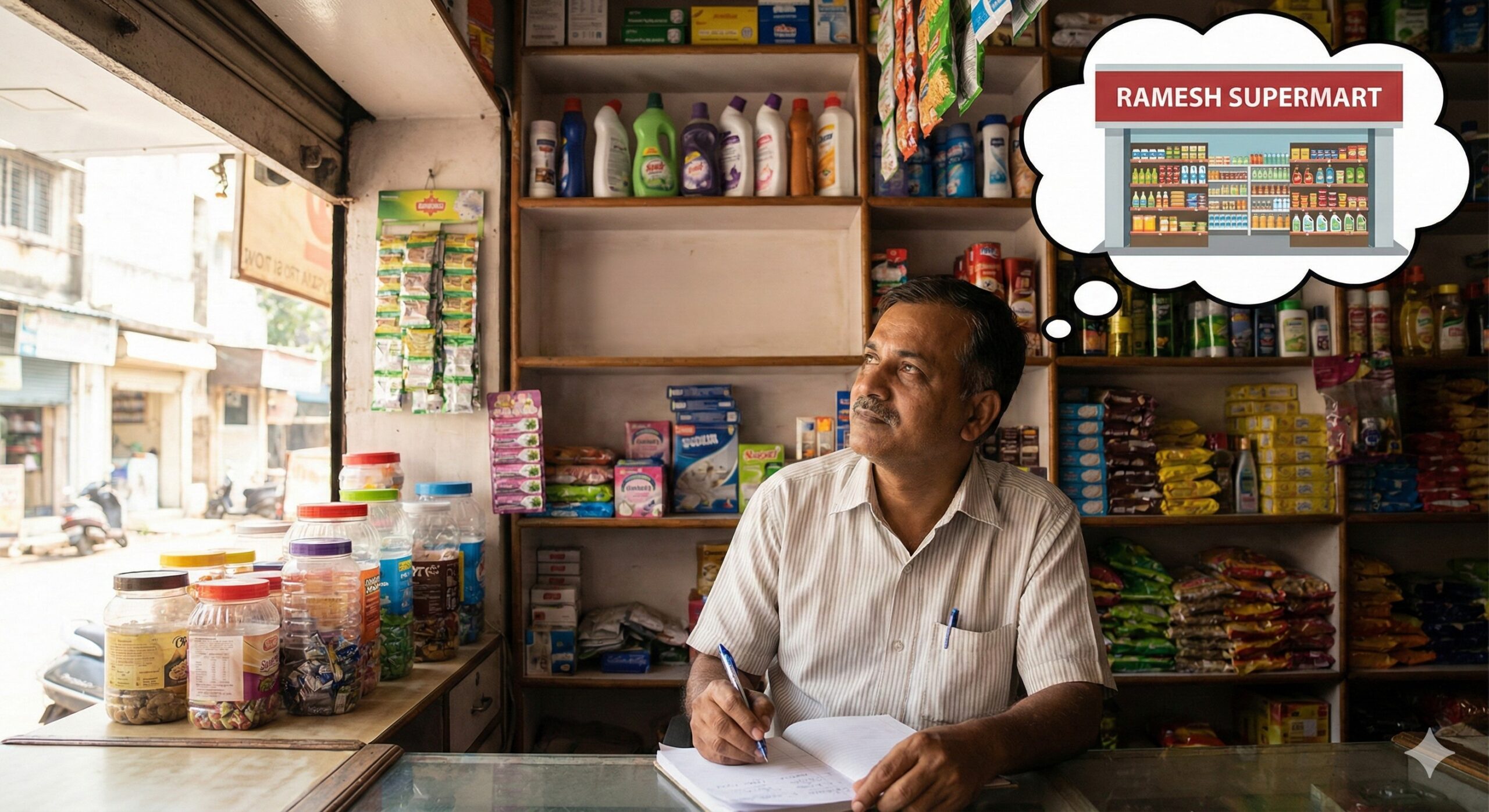
In India, the dream of starting a business often starts at the kitchen table or during a late-night conversation with friends. Whether it is a homemaker planning to expand her tailoring work into a boutique, a young graduate wanting to open a digital service center, or a neighborhood shopkeeper looking to renovate his kirana store to compete with supermarkets, the ambition is always there. However, the biggest hurdle between a brilliant “business idea” and a “successful business reality” is usually one thing: capital. While saving money is the first step towards financial stability, personal savings alone are often not enough to fund a growing enterprise in today’s competitive market.
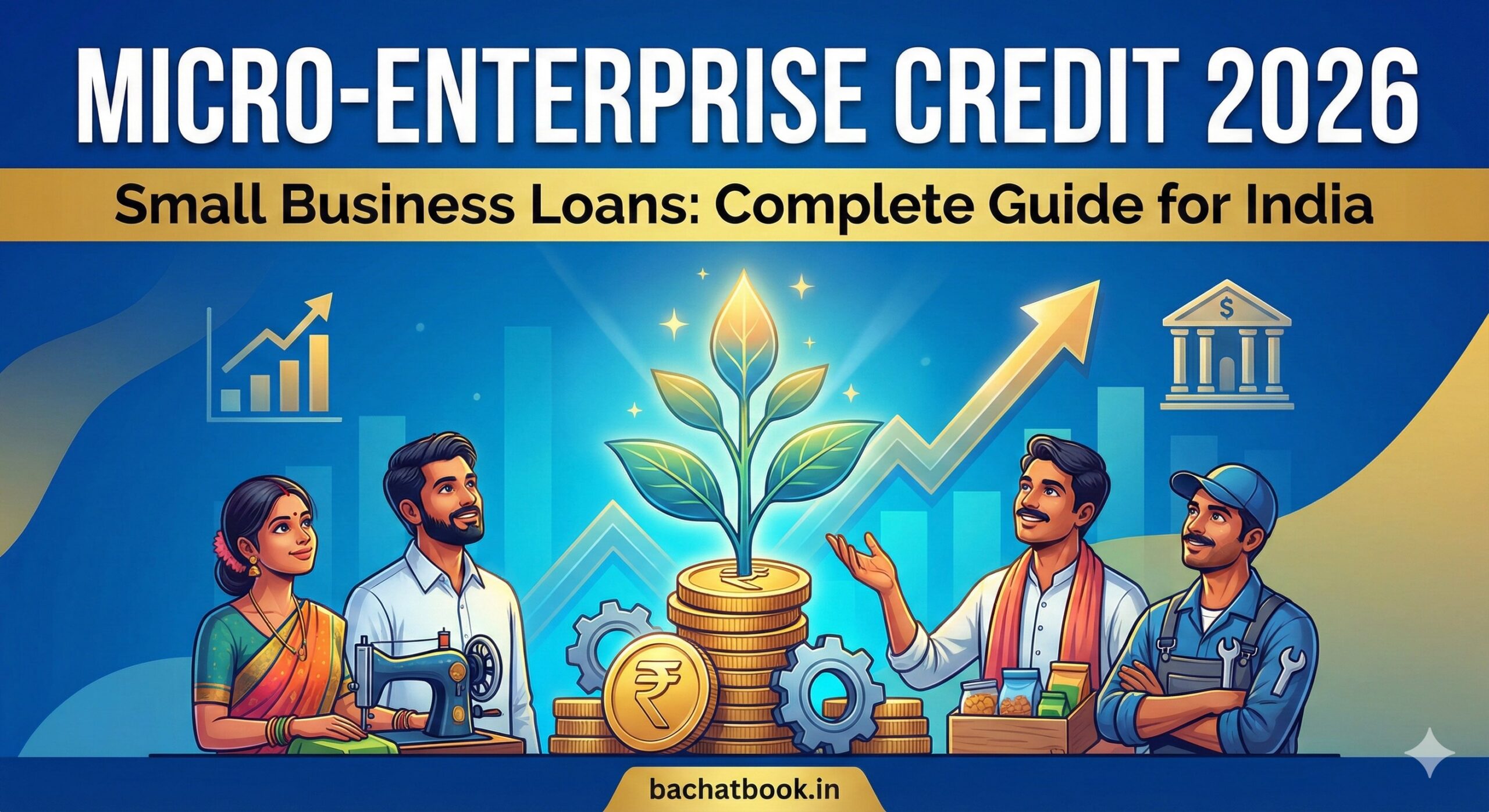
This is where micro-enterprise credit 2026 becomes a game-changer. As we move further into the digital decade, the Government of India and the Reserve Bank of India (RBI) have streamlined credit facilities to ensure that small businesses—the backbone of our economy—do not starve for funds. Gone are the days when you needed to mortgage your ancestral home or sell family gold to get a small business loan. Today, schemes like Mudra, PM SVANidhi, and digital lending platforms focus on your potential, your repayment history, and your business plan rather than just your physical assets.
This guide is firmly based on the common financial habits and challenges faced by Indian households. We will decode what micro-enterprise credit is, how you can access it, and most importantly, how to manage this debt responsibly to ensure it builds your wealth rather than destroying it.
What is Micro-Enterprise Credit?
To truly understand micro-enterprise credit 2026, we first need to define what a “Micro-Enterprise” is in the Indian context. According to the revised MSME classification, a micro-enterprise is a business entity where the investment in plant and machinery or equipment does not exceed ₹1 Crore, and the annual turnover does not exceed ₹5 Crores. This definition covers millions of small businesses, from local manufacturers to service providers.
Micro-enterprise credit refers specifically to the loans and financial facilities provided to these small businesses. Unlike large corporate loans that run into hundreds of crores and require complex auditing, these are “ticket size” loans—typically ranging from ₹50,000 to ₹10 Lakhs or up to ₹2 Crores with guarantees. These loans are designed to meet the specific needs of the “common man” entrepreneur: buying raw materials, purchasing a new machine, paying staff salaries during a slow month, or renovating a workspace.
The primary goal of this credit ecosystem is financial inclusion. It aims to bring the unbanked sector into the formal financial system, reducing their dependence on local moneylenders who exploit small business owners with crushing interest rates.
Table of Contents
The Importance of Small Business Credit in India
Why should a salaried employee or a middle-class family care about business credit? Because entrepreneurship is fast becoming the new norm for financial security in India.
Self-Reliance (Atmanirbhar) In an economy where traditional jobs are evolving and sometimes unstable, having a side business or a full-time micro-enterprise acts as a powerful safety net. Credit allows you to set this up without draining your family’s emergency funds. It empowers you to create your own income source.
Breaking the Interest Trap This is the most critical aspect. In many local markets, moneylenders charge 3% to 5% interest per month. That translates to a staggering 36% to 60% per year. No legitimate business can sustain such high costs. Formal micro-enterprise credit is available at approximately 8.5% to 12% per annum. Shifting from a moneylender to a bank loan can instantly increase a business’s profit margin by saving huge amounts on interest payments.
Building Credit History Taking a small business loan and repaying it on time builds a strong commercial CIBIL score for the business owner. This track record is an asset. When you want to expand further or apply for a personal home loan later, this history of disciplined repayment proves to banks that you are a trustworthy borrower.
Scaling Up Capabilities You cannot buy bulk stock to get a discount or install a modern machine with just daily savings. It takes too long to save that amount. Credit provides the “lump sum” power needed to seize business opportunities immediately—like stocking up for a festival season—which eventually leads to higher profits.
Key Government Schemes for Micro-Credit in 2026
The landscape of micro-enterprise credit 2026 is dominated by robust government-backed schemes designed to minimize risk for banks and maximize access for borrowers.
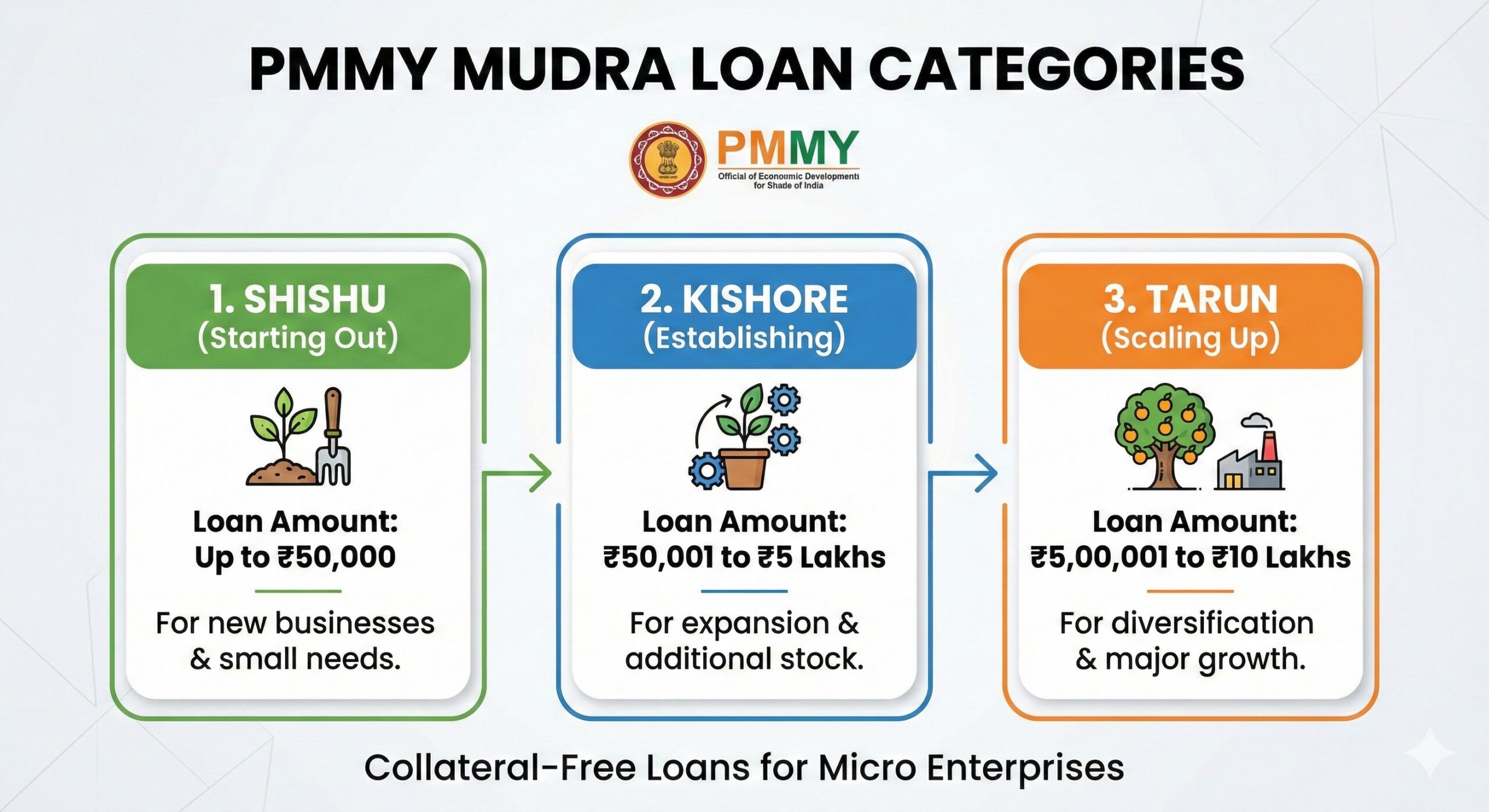
Pradhan Mantri Mudra Yojana (PMMY) This remains the most popular scheme for non-corporate, non-farm small/micro-enterprises. It creates a three-tier structure to support businesses at different stages of growth:
- Shishu: Loans up to ₹50,000. This is strictly for beginners—those who need to buy a basic toolkit, a sewing machine, or a pushcart to start their journey.
- Kishore: Loans from ₹50,000 to ₹5 Lakhs. This category is for businesses that have started operations and now need funds to establish themselves, perhaps by increasing stock variety or buying better equipment.
- Tarun: Loans from ₹5 Lakhs to ₹10 Lakhs. This is for established businesses that are looking to scale up, open a second branch, or diversify their product line.
PM SVANidhi Scheme Targeted specifically at the street vendors (hawkers, thelewala, rehriwala), this scheme offers a collateral-free working capital loan. It has a unique ladder system:
- Initial Loan: ₹10,000.
- Second Loan: ₹20,000 (available on timely repayment of the first).
- Third Loan: ₹50,000.
- Subsidy Benefit: Beneficiaries get a 7% interest subsidy credited directly to their bank account on timely repayment, making the loan incredibly cheap.
CGTMSE (Credit Guarantee Fund Trust for Micro and Small Enterprises) This is not a loan scheme itself, but a guarantee mechanism that powers other loans. Banks are often afraid to lend to small businesses because they lack collateral (security like land or gold). Under CGTMSE, the government tells the bank: “If this borrower defaults, we will repay a large portion of the loan amount.” This assurance encourages banks to lend up to ₹2 Crores (and even up to ₹5 Crores in specific cases) without asking the borrower for property papers.
Eligibility Criteria for Borrowers
While the government is keen to disburse loans, banks still need to ensure the money goes to the right hands to prevent bad debts. The general eligibility for micro-enterprise credit 2026 includes:
- Citizenship: The applicant must be an Indian citizen.
- Age: The applicant must be at least 18 years old. The maximum age limit usually goes up to 65 years at the time of loan maturity.
- Nature of Business: The business must be involved in income-generating activities such as manufacturing, trading, or services. (Note: Direct farm income like crop cultivation is usually covered under Kisan Credit Card, but allied activities like dairy, poultry, or beekeeping are eligible for micro-enterprise credit).
- No Default History: The applicant should not be a defaulter with any bank or financial institution. A clean banking record is essential.
- Business Registration: While not strictly mandatory for very small Shishu loans, having an Udyam Registration (MSME Certificate) is highly recommended and often required for loans above ₹50,000.
Know More: Mudra Loan Shishu Eligibility 2026: Complete Guide for Small Business Owners
Essential Documents Checklist
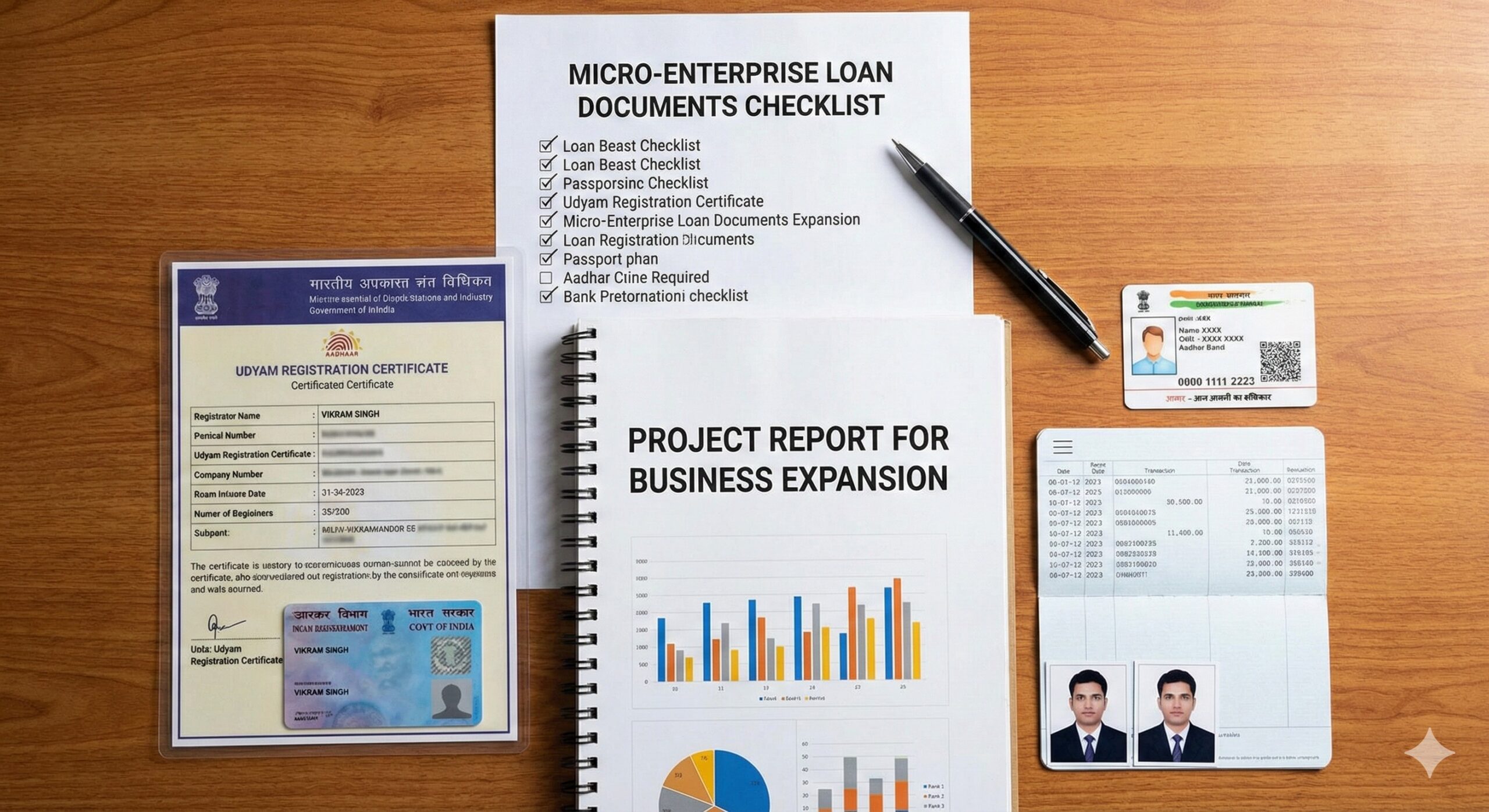
Preparation is key to getting your loan approved quickly. Banks reject many applications simply because the file is incomplete. Ensure you have the following ready before you approach the bank:
KYC Documents
- Identity Proof: Aadhar Card, Voter ID, PAN Card, or Driving License.
- Address Proof: Electricity bill, Ration card, or Aadhar card.
- Passport Size Photos: Keep at least 2-3 recent photographs.
Business Documents
- Udyam Registration Certificate: This acts as the “Aadhar card” for your business. It is free to register online and serves as proof that you are a micro-enterprise.
- Proof of Business Address: Rent agreement, electricity bill of the shop/office, or property tax receipt.
- Licenses: Trade license, FSSAI (if you are in the food business), or GST registration certificate (if applicable).
Financial Documents
- Project Report: For loans above ₹2 Lakhs, you need a simple report showing: “Total Cost of Project,” “How much you are investing (Margin Money),” “How much loan you need,” and “Expected Income.”
- Bank Statements: Last 6 months’ statement of your savings or current account to show your transaction history.
- Quotation: If you are buying machinery or equipment, a valid price quotation from the supplier is required to prove the loan amount is justified.
How to Apply: Online and Offline Process
In 2026, the application process has become a hybrid model, offering flexibility to applicants.
The Online Route (JanSamarth Portal) The government has launched the JanSamarth Portal, a one-stop digital platform to link beneficiaries with lenders.
- Visit the official website
jansamarth.in. - Select “Business Activity Loan” from the categories.
- Answer a few simple questions to check your eligibility.
- The portal will show you eligible schemes (like Mudra or PMEGP) based on your answers.
- Apply digitally; your application is sent to multiple banks of your choice simultaneously, increasing your chances of approval.
The Offline Route
- Prepare your Project Report and gather all the documents mentioned in the checklist.
- Visit the branch of a bank where you already have a savings or current account history. (Banks prefer lending to existing customers).
- Ask specifically for the “Mudra Loan Application Form” or “MSME Loan Application.”
- Submit the filled form with documents and get an acknowledgement receipt.
- The field officer may visit your business site for physical verification before the loan is disbursed.
Smart Ways to Manage Your Business Loan
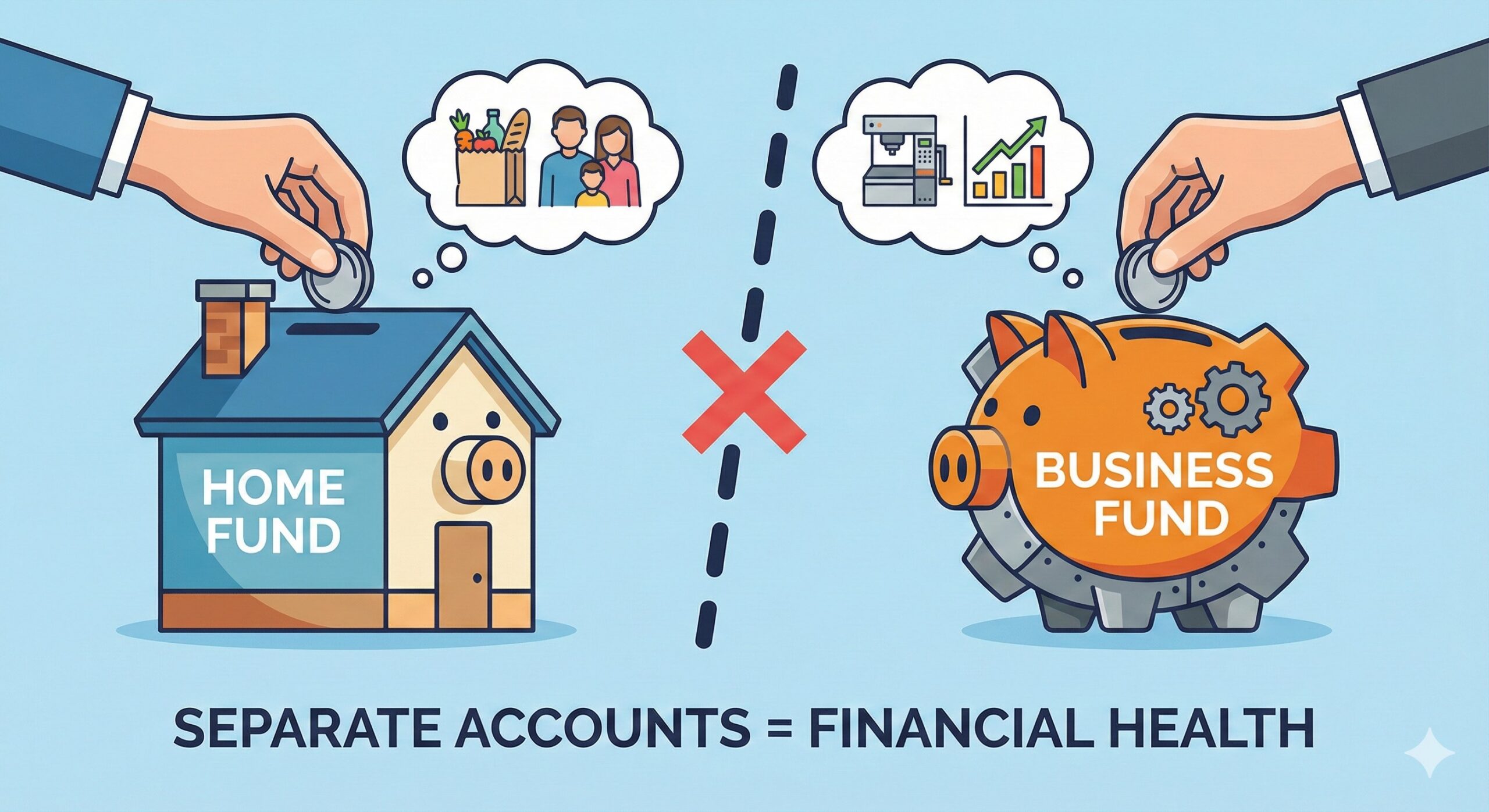
Getting the loan is only half the battle; managing it is where the real “bachat” (saving) and wealth creation happen. Many first-time entrepreneurs make the mistake of treating loan money as extra income.
Separate Business and Personal Cash Never mix the loan money with your household budget. If you use the loan to pay for home groceries, school fees, or personal rent, your business will not have the funds to generate profit, and you will eventually default on the EMI. Keep two separate bank accounts.
Use for Income Generation Only Ensure every rupee of the loan is spent on something that brings money back into the business.
- Good Expense: Buying raw material, upgrading a machine to work faster, renovating the shop front to attract more customers.
- Bad Expense: Buying a new office AC when a fan was enough, redecorating the office excessively, or taking a salary advance for yourself.
Maintain a “Loan Repayment” Box In your daily earnings, set aside the EMI amount daily. If your monthly EMI is ₹3,000, put ₹100 aside every single day in a separate box or digital wallet. Do not wait for the end of the month to scramble for funds; make repayment a daily habit.
The Role of Credit Score (CIBIL) in Business Loans
Even for micro-enterprise credit 2026, your personal credit history matters significantly.
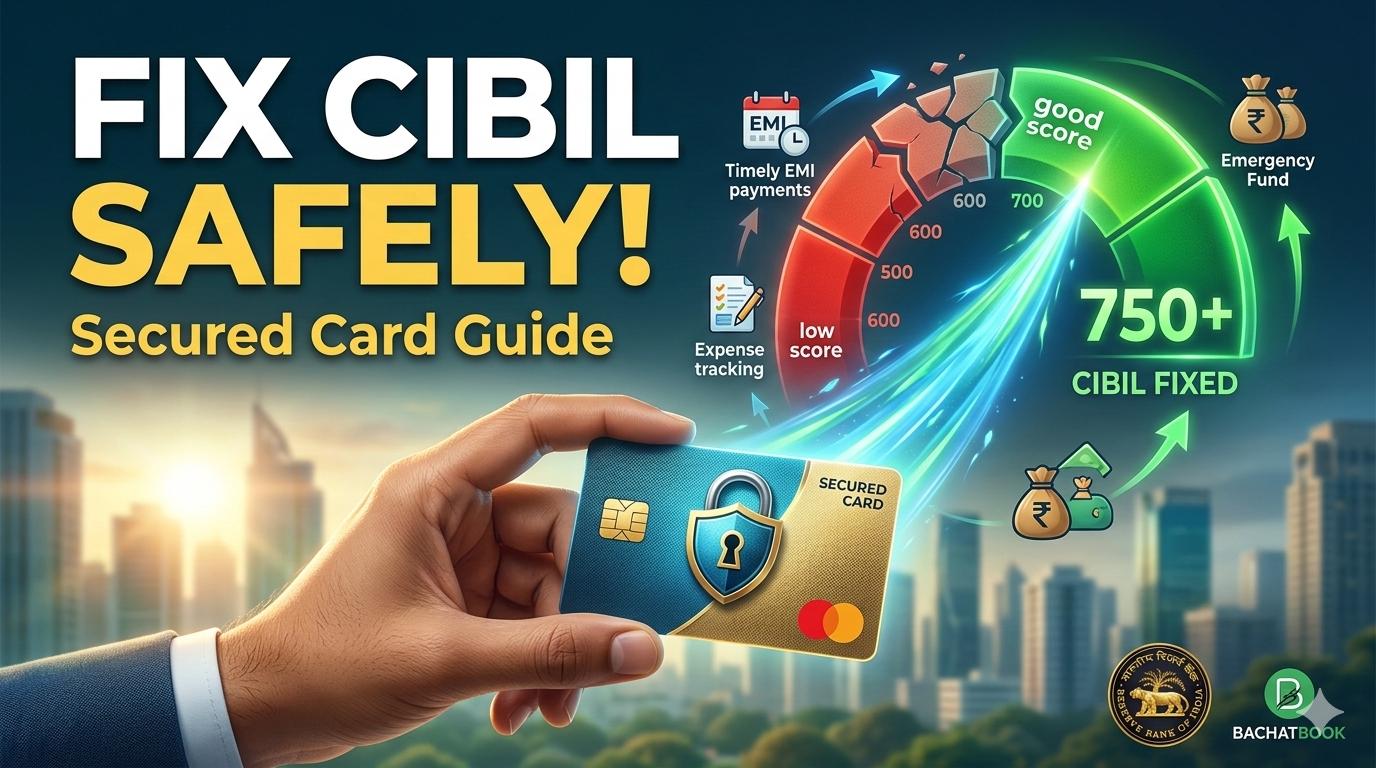
Sole Proprietorship = Personal Liability Most micro-enterprises in India are “Sole Proprietorships.” This means legally, you and your business are the same entity. When a bank checks the loan eligibility for your shop, they are actually checking your PAN card’s CIBIL score.
The Magic Number A score of 700+ is considered healthy.
- If your score is low (below 650), banks may view you as high-risk and ask for a guarantor or reject the application.
- If your score is high (750+), you may get a lower interest rate and faster processing.
How to Improve It
- Pay your existing credit card bills and personal loan EMIs on time.
- Do not apply for loans at 10 different banks simultaneously (this is called “credit hunger” and lowers your score).
- Clear any old outstanding dues before applying for a business loan.
FAQ Section
Q: Is Udyam Registration mandatory for micro-enterprise loans? A: While not strictly mandatory for very small loans (like Shishu), most banks in 2026 insist on it because it classifies your business as an MSME, allowing them to claim government guarantees. It is free and takes only 5 minutes to register online.
Q: Do I need to mortgage my house for a Mudra loan? A: No. Mudra loans are collateral-free. Banks are not allowed to ask for collateral security for loans up to ₹10 Lakhs under the PMMY scheme.
Q: Can I get a loan for a new business, or only an existing one? A: You can get a loan for a new business (Start-up) as well. However, for a new business, you must have a clear Project Report and usually need to invest 10-25% of the total cost from your own pocket (Margin Money) to show your commitment.
Q: What is the interest rate for micro-enterprise credit? A: The interest rate varies by bank and your risk profile. In 2026, it typically ranges from 8.50% to 11.50% per annum for government-backed schemes. Private NBFCs may charge higher rates (14-24%).
Q: How long does it take to get the money? A: If your documents are perfect and you apply online via JanSamarth, provisional approval can happen in 20 minutes, with disbursement in 7-10 days. Offline processes may take 2-3 weeks depending on the bank’s workload.
Q: Can a student apply for this loan? A: Yes, if the student is 18+ and has a viable business idea. However, the loan is strictly for the business setup and operations, not for paying college fees or education expenses.
Conclusion
Micro-enterprise credit 2026 is not just about borrowing money; it is about borrowing belief in your own potential. For the Indian middle class, moving from “saving pennies” to “investing pounds” into a business is a necessary shift for wealth creation.
Remember, debt is a double-edged sword. Used for consumption, it destroys wealth. Used for productive business expansion, it creates wealth. By understanding eligibility, preparing your documents correctly, and maintaining strict financial discipline, you can leverage these government schemes to build a legacy for your family.
Don’t let the lack of funds kill your entrepreneurial dream. Assess your needs, check your eligibility on the JanSamarth portal, and take that calculated step forward today.
Disclaimer: This content is for educational purposes only. We are not financial advisors. Loan approvals depend on bank policies and your creditworthiness. Please consult your bank branch for specific details.