
Introduction
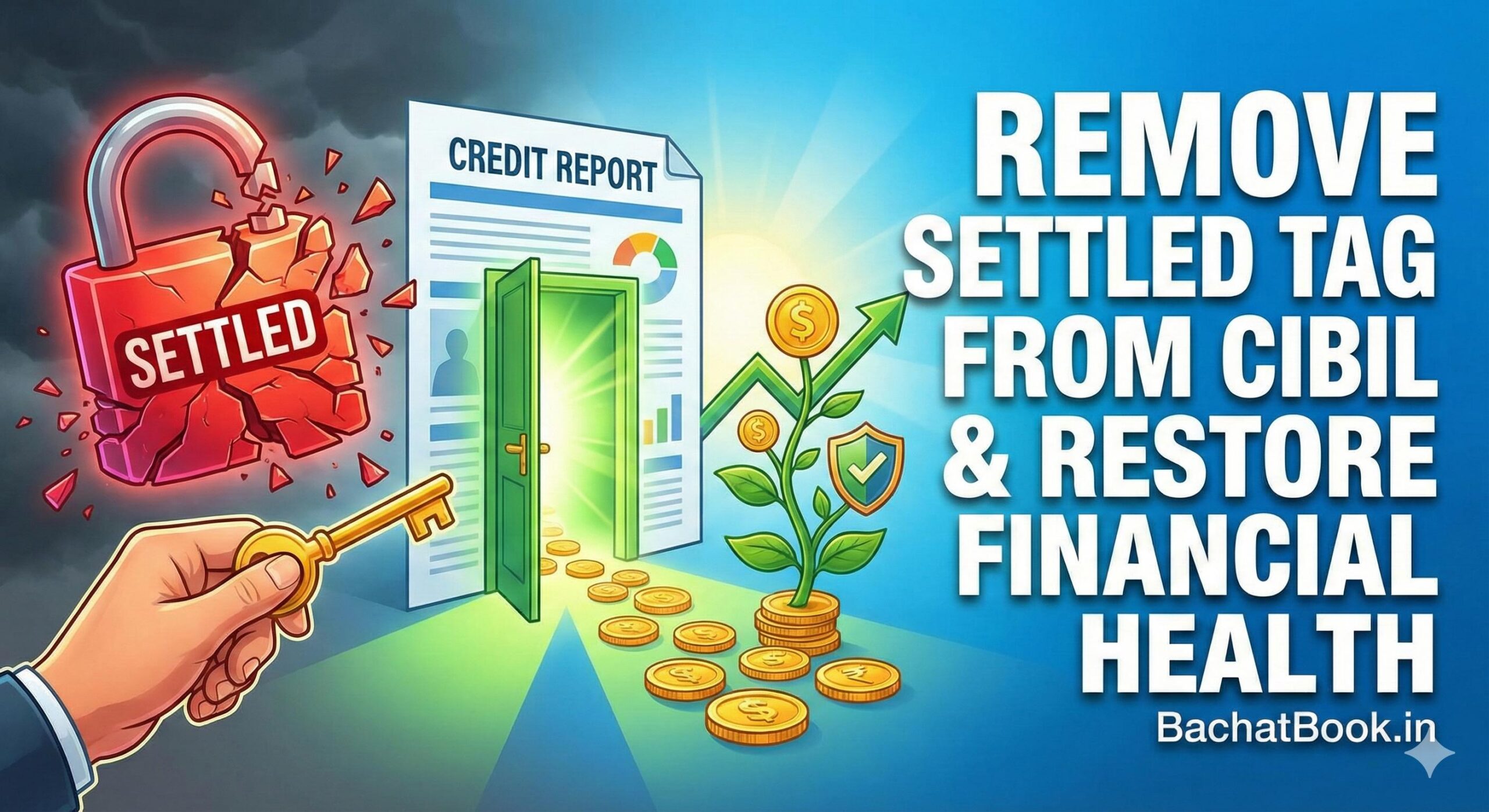
Debt can be a massive source of stress for middle-class Indian families, especially when unforeseen circumstances force you to compromise on loan repayments. If you have ever negotiated with a bank to close a personal loan or credit card by paying a lesser amount than you actually owed, your credit profile carries a negative mark. To completely remove settled tag from CIBIL, you must directly contact your original lending bank, pay the remaining outstanding balance that was previously waived, obtain an official No Objection Certificate (NOC), and request the bank to officially update your account status to “Closed” with the national credit bureaus.
Understanding this specific process is the cornerstone of protecting your overall financial safety. A settled status is a massive red flag that broadcasts financial instability to the entire banking system. When your credit score takes a hit because of this tag, you open yourself up to predatory lenders and exorbitant interest rates that will gradually steal your hard earned income and ruin your monthly household budget.
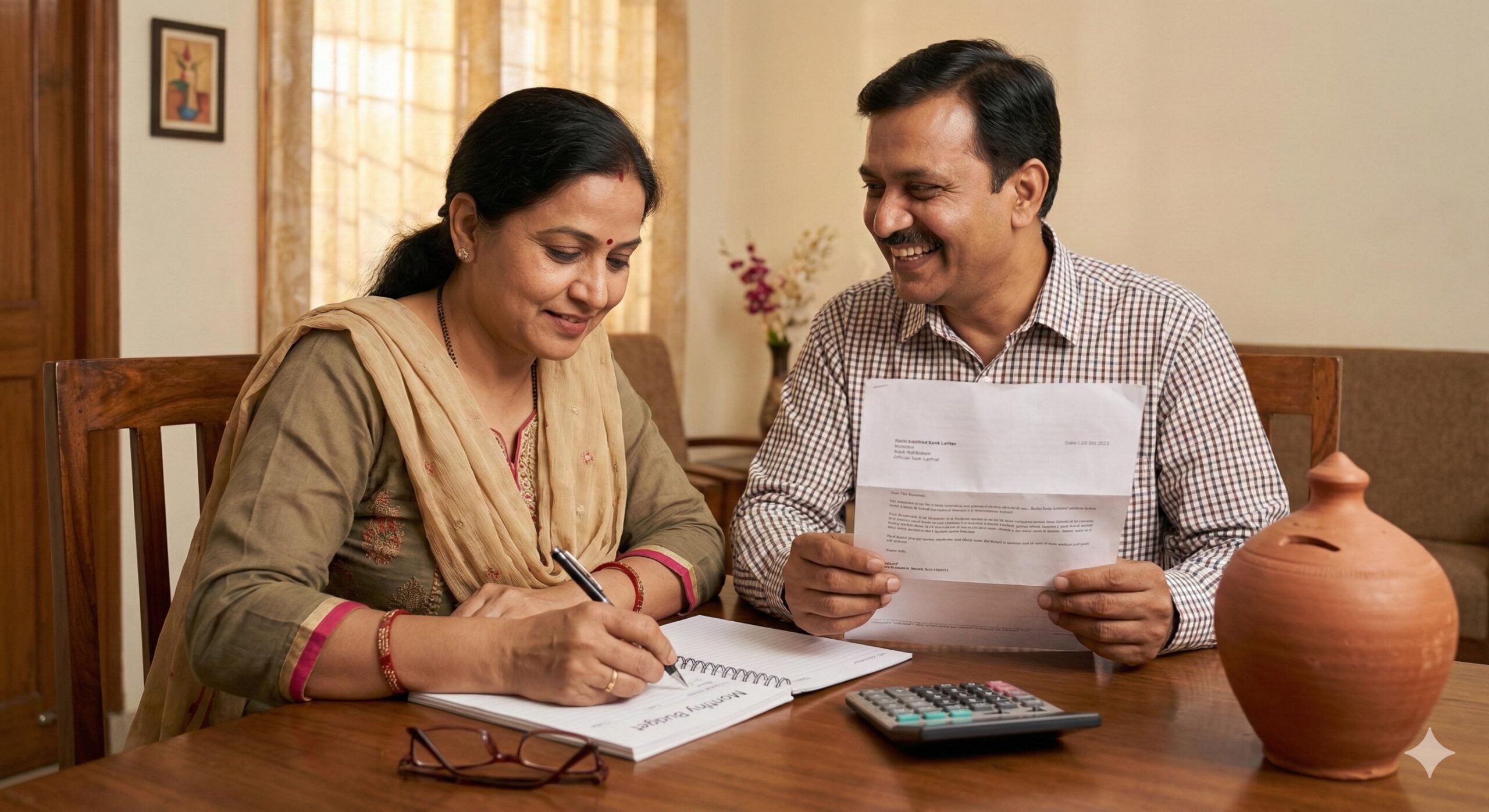
Improving your credit health involves a lot more than increasing a number on a report. It is about regaining financial stability, preventing future loss of money, and safeguarding your family’s goals in the future. This detailed step-by-step guide will teach you how to clean up your credit report, and will also teach you the money management and budgeting behaviors you need to adopt today in order to prevent the cycle of debt from recurring.
Disclaimer: This content is strictly for educational and informational purposes only and does not constitute professional financial advice. This guide is designed to help Indian households understand credit reporting, manage their money safely, and build preventive financial habits. Please consult with a certified financial advisor or your respective bank for specific account issues and debt resolutions.
Table of Contents
What Does a “Settled” Tag on Your CIBIL Report Mean?
Before you can make solve the issue and protect your money, you must learn the basic components of credit reporting and the Indian banking systems.
When you ask for a loan or use a credit card, you have a legal contract with the bank to give back the money you borrowed plus interest by a certain date. But life happens. If you face a financial shock like a sudden medical expense, job loss, downturn of your business, or you just poorly budget your house, and you miss several of your EMIs, the bank’s loan division marks your account as an NPA or a Non-Performing Asset.
At this point the bank’s recovery division will talk to you about a One Time Settlement. (OTS)They agree to accept a lump-sum payment that is significantly lower than the total amount you actually owe. The bank waives the remaining balance, deciding to take a loss just to recover a small portion of their funds.
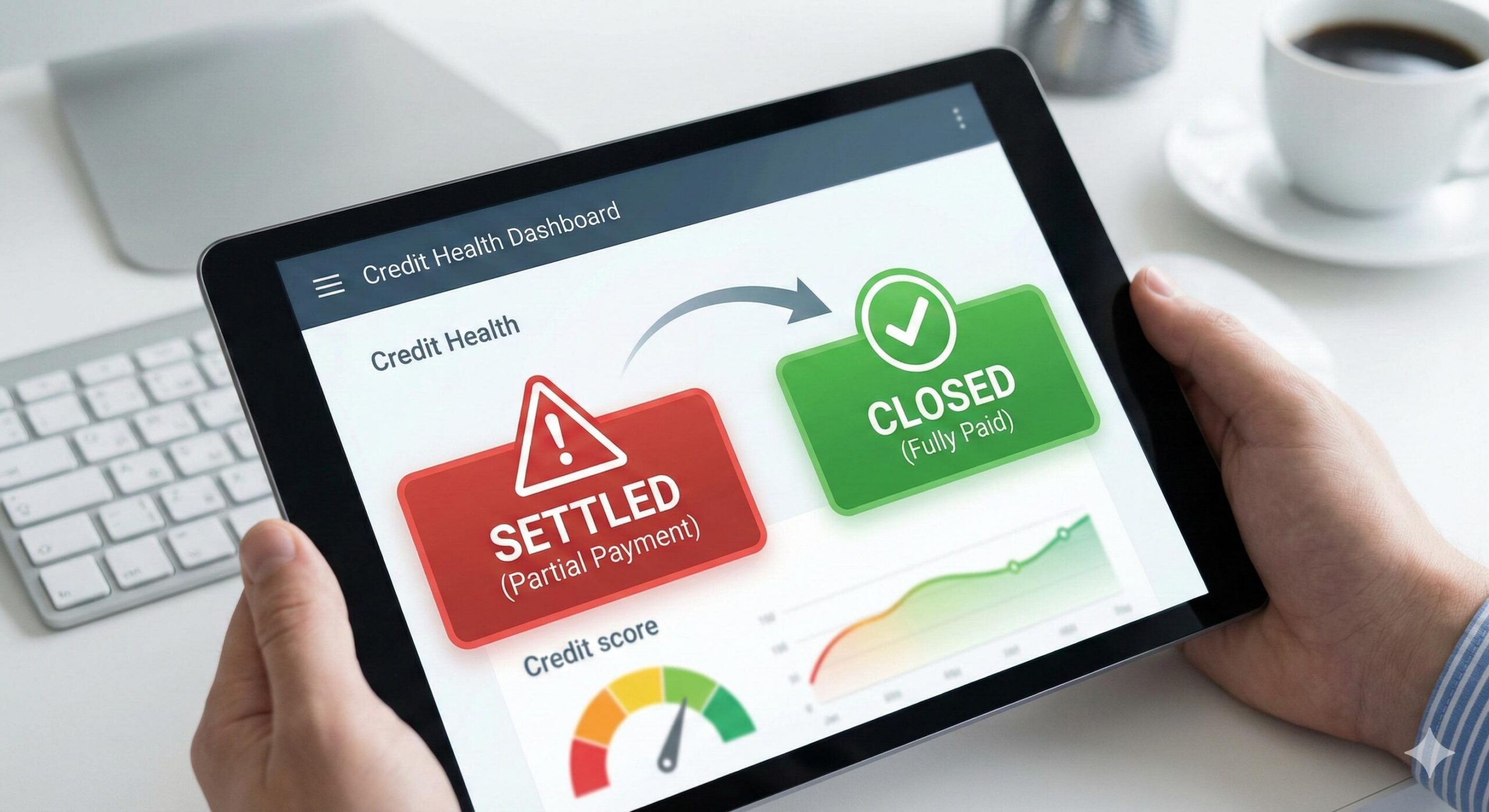
While paying a smaller amount might feel like a massive financial relief at that exact moment, there is a severe and lasting hidden cost. The bank reports this compromised account to the Credit Information Bureau (India) Limited (CIBIL) and other major credit bureaus as “Settled” rather than “Closed.”
A “Closed” status is the gold standard; it means you paid every single rupee you owed, right on time, fulfilling your promise. A “Settled” status permanently broadcasts to every single financial institution in India that you broke your financial agreement and cost the previous bank money. It drops your credit score significantly, usually plunging it by 75 to 100 points or more, effectively locking you out of the formal, low-cost credit system for years.
The Financial Impact of a Settled Status on Indian Households
Having a compromised credit report affects far more than just your ability to get another credit card for shopping. It deeply impacts your family’s entire financial trajectory, reduces your safety net, and severely limits your ability to save money effectively.
Rejection of Major Life Goals
For a salaried employee in India, achieving major life milestones like buying a family home or purchasing a car relies heavily on securing affordable bank financing. If you apply for a home loan with a settled tag clearly visible on your report, the bank will almost certainly reject the application outright. The mathematical risk of default is deemed far too high by their internal algorithms. This unfortunate rejection delays your major life goals and forces your family to continue paying monthly rent, which limits your ability to build long-term, generational assets.
Higher Interest Rates and EMI Burdens
In the rare cases where a Non-Banking Financial Company (NBFC) or a private lender agrees to lend money to someone with a settled status, they will deliberately charge a heavily inflated interest rate to compensate for the perceived risk. This means your monthly EMI will be drastically higher than that of someone with a clean, healthy credit history. Paying higher interest directly steals money away from your monthly household budget—money that should have gone securely into your family’s savings account, your child’s education fund, or your emergency cash reserves.
Employment Verification Challenges
Financial awareness is becoming increasingly crucial in the modern corporate sector. Many top-tier companies, especially those operating in the banking, financial services, and insurance (BFSI) sectors, now run routine, comprehensive credit background checks on potential new hires. A poor credit history reflecting a settled account can be interpreted as a lack of personal responsibility, which can tragically lead to a rejected job offer, directly impacting your future earning potential and career growth.
Step-by-Step Guide: How to Remove Settled Tag from CIBIL
Fixing your credit history requires intense patience, clear communication, and financial discipline. The credit bureau (CIBIL) is merely a record-keeper; they cannot change this status on their own. Only the specific bank that reported the settlement can authorize an official update. Here is the precise, logical path to clearing your name and restoring your financial safety.
Downloading Your Latest Credit Report
Before taking any blind action, you must know exactly what is written on your permanent record. Under Indian regulations, you are entitled to one completely free credit report every single year directly from the official CIBIL website. Download the comprehensive report and carefully check the “Account Information” section. Identify the exact loan or credit card that is negatively marked as “Settled.” Note down the exact account number, the bank’s name, the date of settlement, and the “Amount Written Off” (this is the specific monetary amount you did not pay during the compromise).
Approaching the Original Lender
You must approach the exact bank or NBFC with which you originally settled the account. Do not waste time contacting third-party recovery agents, as they have no authority to update credit bureaus. Instead, visit the main branch directly or write a formal email to their central customer grievance and loan closure department. Clearly explain that you are now financially stable and wish to clear your past dues entirely to improve your credit health and close the account properly.
Negotiating and Paying the Outstanding Balance
Ask the bank’s representatives to calculate your total outstanding dues. This calculation will absolutely include the principal amount that was previously waived.Remember that there could also be years of added interest or late penalty charge(s). When negotiating, do so respectfully, but be ready to pay the main outstanding balance because you may need to pay the penalty charge(s). Once you reach an agreement, you will be able to make the payment through official and traceable payment methods like NEFT, or RTGS, or through a Demand Draft, and be sure to receive an official transaction receipt.
Obtaining the No Objection Certificate (NOC)
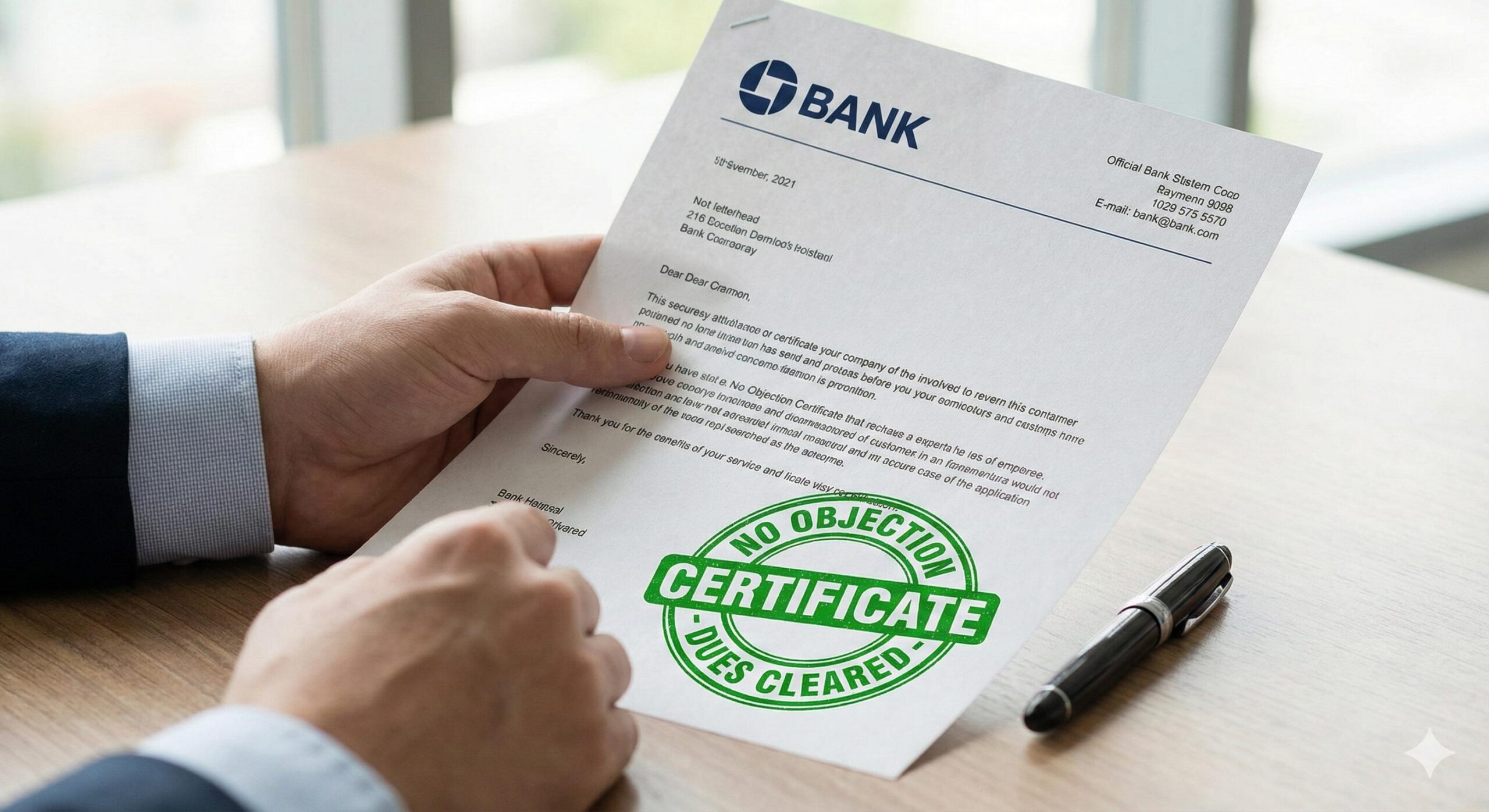
This is the most important part of this whole process. Once the payment is received and the transaction goes through, you need to go request a No Objection Certificate (NOC) formally or a “Closure Letter” from the bank, requesting it to be on official letterhead. This vital document legally states that you have zero outstanding dues against that specific loan account. Keep this physical document, along with digital scanned copies, incredibly safe. It is your absolute proof of financial clearance and protection against any future claims.
Waiting for the Bank to Update CIBIL
Banks typically consolidate and send updated customer data to credit bureaus like CIBIL once a month. Therefore, it will not reflect online immediately. It may take anywhere from 30 to 45 days for the bank to report your new status to the bureau. Once reported, CIBIL will process the data and update your account status from “Settled” to a positive “Closed.”
Raising a Consumer Dispute if Necessary
If 45 to 60 days pass and your downloaded CIBIL report still shows the damaging settled tag, you must take proactive action. Visit the official CIBIL website and navigate to their dispute resolution center to raise a “Consumer Dispute.” You will need to provide your unique control number (found at the top of your credit report) and upload the scanned NOC provided by your bank. CIBIL will directly verify the uploaded document with the lender and subsequently update the record, effectively removing the negative mark from your active profile.
Financial Habits to Prevent a Settled Status

Successfully figuring out how to repair your credit report is only half the battle. The true, underlying goal of financial awareness is ensuring you build a lifestyle that prevents you from ever falling into a debt trap again. This requires adopting strict budgeting rules and daily saving habits to protect your money.
Building a Non-Negotiable Emergency Fund
The root cause of almost all loan defaults in India is a sudden financial shock combined with a complete lack of liquid savings. Every single middle-class household must prioritize building an emergency fund above all other financial goals. This dedicated fund should contain enough cash to comfortably cover at least three to six months of your mandatory living expenses—including rent, essential groceries, utility bills, and existing loan EMIs. Keep this money in a separate, easily accessible savings account or a safe liquid mutual fund. When a medical crisis or sudden job loss occurs, this fund acts as your shield, protecting you from missing EMI payments and keeping you out of the settlement trap.
Following a Strict Monthly Budget
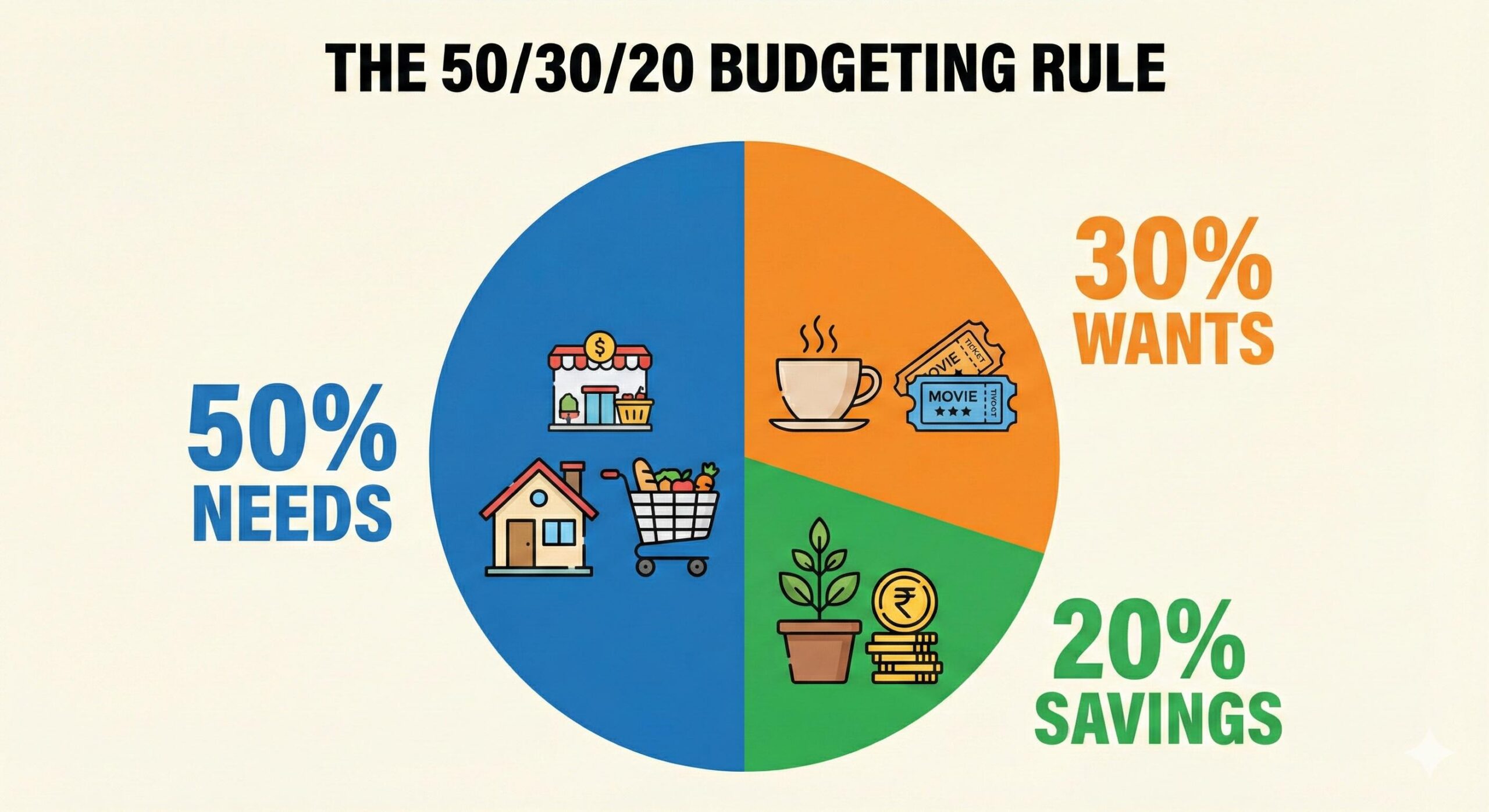
When it comes to budgeting, it is one of the best paths to financial safety that is proven to work. Once you receive your salary for the month, you have to work to give each rupee a specific, intended purpose. One of the best and easiest ways to budget is the 50/30/20 method. Here is how to do it.
- 50% of your income should go to your Needs. This includes paying for your house, groceries, and bills.
- 30% of your income should go to your Wants. This includes things like dining out, going to the movies, travelling, and going shopping.
- The last 20% has to go to Savings, Investing, and paying off Debt. If your EMI is taking up 30% or even 40% of your income, then you are living beyond your means. This means you have to stop spending on your Wants and pay off the debt instead.
Tracking Your Daily Expenses
Salaried employees often don’t pay attention to the small expenses that quickly add up and can destroy their financial stability. Online food deliveries, rapid grocery deliveries, and paying for subscriptions you don’t even use all contribute to the stability of your financial status. Tracking your expenses for a month can be effective to identify where you are spending unnecessarily. Once you find it, you can divert that money to pay off your debt and build the financial stability you want.
Smart Money Management for Students and Young Earners

Financial discipline must begin the very moment you start earning your own money. Young professionals in India often fall into severe credit card traps within their first year of corporate employment, ruining their credit scores before their careers have even truly begun.
Avoiding the Minimum Due Trap
When young earners experience their first major promotion, job change, or annual raise, an immediate psychological inclination is to change their spending habits; purchase the latest smartphone on an EMI plan or get an apartment in a different location that is more costly, or go on expensive international vacations. This is an example of Lifestyle Inflation. To build genuine wealth, attaining financial freedom and bad debt in the future, avoid changing your spending habits and consider diverting the extra cash flow from your job to savings and investments.Credit cards are excellent financial tools for building a positive credit history, but only if they are used with extreme responsibility.
Paying only the “Minimum Amount Due” shown on your monthly statement is a massive financial mistake. Credit cards carry an exorbitant annualized interest rate of 36 to 42 percent on the unpaid balance. This compounding interest will bury you in debt rapidly. Always, without exception, pay your total credit card bill in full before the due date.
Resisting Lifestyle Inflation
One of the rules of smart and safe spending is that loans should only be taken for purchases that will appreciate in value or for future earning potential (expectations) such as education loans for graduate studies or a well-analyzed mortgage. A personal loan for a bad purpose, such as funding a fancy destination wedding, buying high-end gadgets, or going on vacations, is very bad for your financial future. If you do not have the cash to pay for something, then you cannot afford it.
When young earners receive their first major promotion, a job switch, or a yearly salary hike, the immediate psychological temptation is to upgrade their lifestyle—buying a flagship smartphone on EMI, moving to a far more expensive apartment, or taking costly international vacations. This dangerous cycle is known as lifestyle inflation. To build real wealth, achieve financial independence, and completely avoid bad debt, keep your living expenses stable and direct your increased income entirely into your savings and investment accounts.
Never Borrowing to Fund a Lifestyle
A fundamental rule of smart, safe spending is that loans should only be taken for assets that appreciate in value or significantly increase your future earning potential, such as an education loan for higher studies or a well-researched home loan. Taking a high-interest personal loan to fund a lavish destination wedding, buy expensive luxury electronics, or go on a holiday is highly detrimental to your long-term financial health. If you cannot afford to buy a luxury lifestyle item with cash directly from your savings, you simply cannot afford it yet.
Best CIBIL Score Check Karne Wala App: A Complete Guide for Indians (2026)
Frequently Asked Questions (FAQ)
Can I easily get a home loan if I have a settled account?
It is extremely difficult. Most major banks and reputable housing finance companies have very strict internal policies against lending to individuals with a “Settled” status on their CIBIL report. You will almost certainly need to clear the past dues, change the official status to “Closed,” and spend several months actively rebuilding your score with good financial habits before a home loan application is even considered.
How long does a settled status stay visible on a CIBIL report?
Credit bureaus typically retain your comprehensive credit history, including negative marks like defaults, late payments, and settlements, for up to seven years. This is precisely why it is crucial to proactively clear the debt and forcefully update the status rather than simply waiting passively for it to eventually disappear from the records.
Does paying off a settled account immediately fix my CIBIL score?
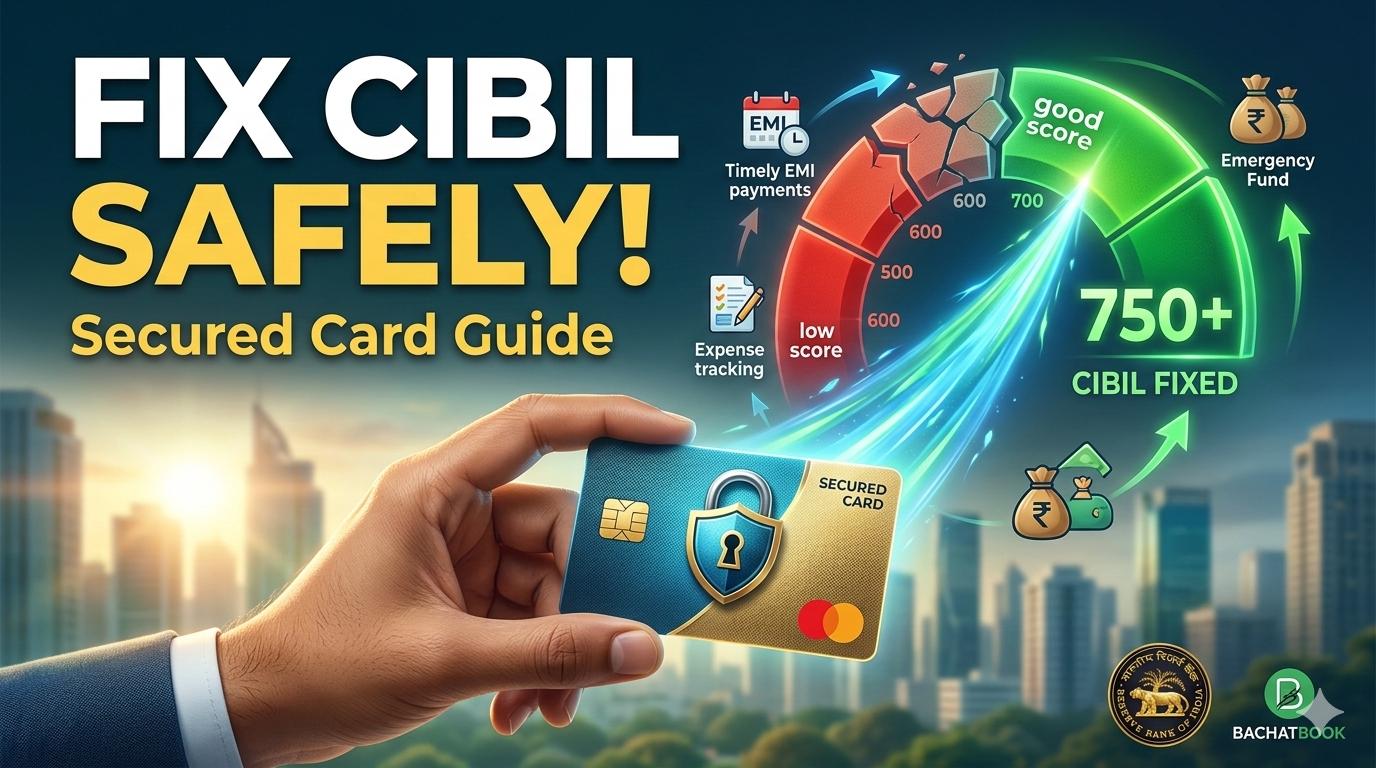
No, the score recovery process is not instantaneous. Changing the status from “Settled” to “Closed” will stop the moving damage to your profile, but will not help your score recover immediately. You will need to wait for your score to recover on its own after a prolonged period of consistently demonstrating good, reliable financial behavior. This will include things like paying all current utility bills, and managing a secured credit card to be topped up on time. It will take you several months of this good financial behavior to see a score increase which is considered significant.
What is the exact difference between “Closed” and “Settled”?
A status of “Closed”, means you won. You paid the full loan amount, plus any other interest, and fees, that may have accrued during the course of that loan, according to your contract. A status of “Settled” means you lost. You violated the contract, you did not pay the full amount, and the bank had to take a loss and just write-off a portion of what they had owed.
How much should I save monthly to avoid falling into debt?
Most financial experts recommend that you save at least 20 percent of your take home pay for each month. Of course, while that’s a great goal to aim for, if you are trying to build an emergency fund for the first time or are trying to pay down high interest debt, you will have to make some sacrifices with your discretionary spending. This might mean that you will need to save more from your budget than your net pay allows.A highly recommended standard benchmark is to save a minimum of 20 percent of your net in-hand salary every month.
However, if you are currently focusing on building your initial emergency fund from scratch or paying off existing high-interest debt, you should aim to temporarily minimize your discretionary spending and save as much as your household budget possibly allows until you are secure.
Is it safe to use third-party credit repair agencies?
You must exercise extreme caution. Many unverified, private agencies promise to magically erase a settled tag overnight for a large upfront fee. This is often entirely misleading or outright fraudulent. Nobody can legally alter your CIBIL report without the original lending bank’s explicit authorization and the actual repayment of your dues. It is always safer, cheaper, and more reliable to follow the clearance process yourself directly with your bank.
Conclusion
It’s not an end to your life carrying a damaged credit report, it can feel like a heavy burden to carry, but it doesn’t have to stay with you forever. A big first step toward understanding how to remove settled tags from your CIBIL Report is understanding how you can reclaim your financial freedom, and how you can do that to protect your family. Your past debts, if you face them with courage and negotiate with your lender and pay off what you owe, and you close that account, will show the Indian legal system that you have financially matured, and you will then have the ability to show the system the kind of financial control you have had.
To put it simply, repairing your credit is not the answer if you want to solve your financial issues. It is that your family can have true financial security within the Indian financial system, and that is only if you adopt a daily system of strict self-control to create a budget, control your spending, and make and protect a self-controlled system of an emergency savings account.
To avoid the trap of a running a credit card debt, live with less than you can afford, and make it a habit to save every month. By doing this, you will make sure that you create the financial self-control within yourself to provide your family with all of the financial security and it will also give you the ability to put endless barriers to your financial freedom.
The other articles on bachatbook.in give practical guides to savings, awareness on financial security, and templates for detailed budgeting. Examine them all.