
Introduction
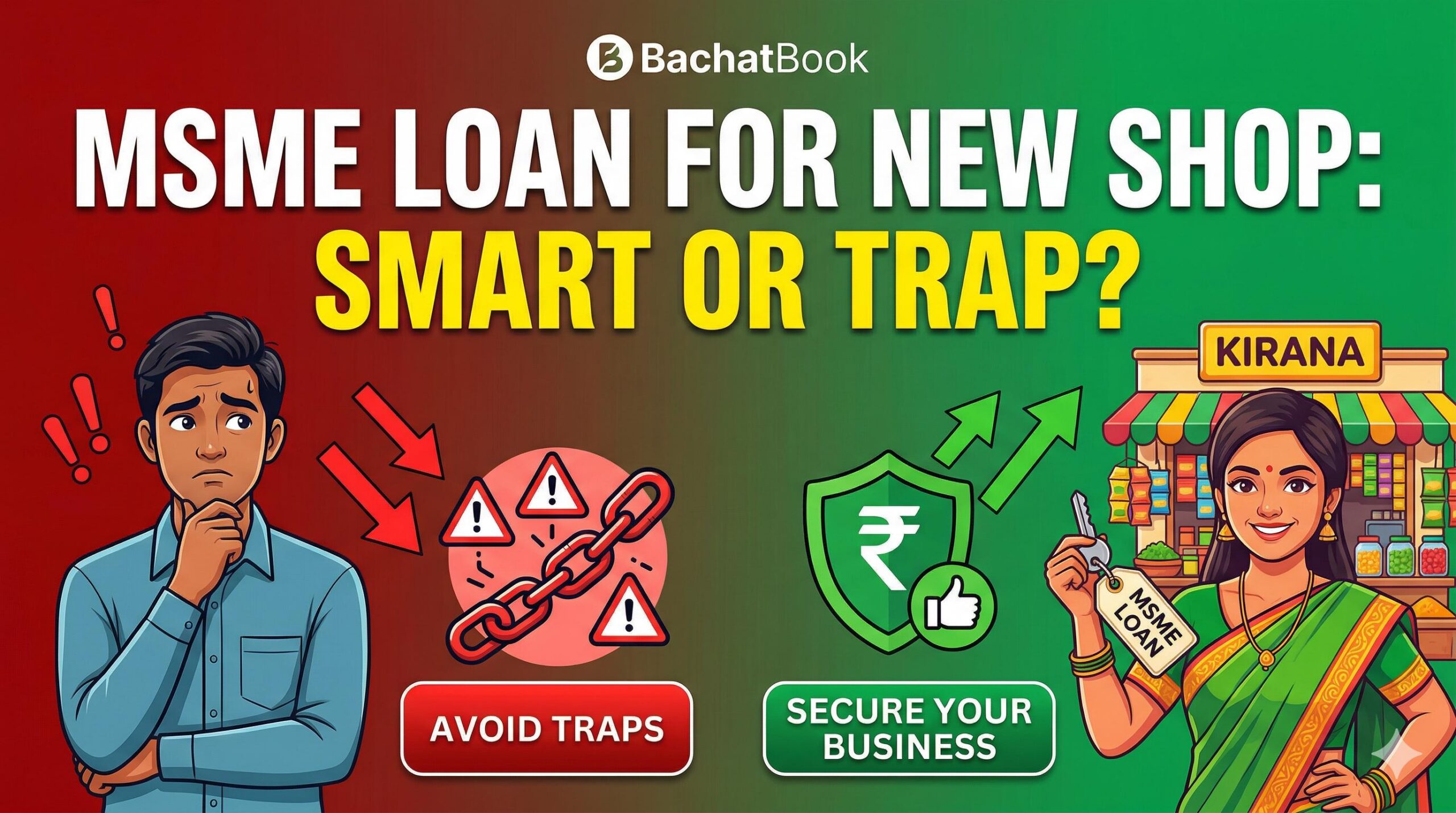
Starting a local retail business is a proud dream for many Indian families, offering a solid path to financial independence. However, finding the initial capital without draining your life savings can be incredibly stressful. This is where an MSME loan for new shop becomes a highly valuable tool. In simple terms, this is a specialized business loan offered by formal banks, NBFCs, and government schemes (like the Mudra Yojana) designed specifically to help micro and small business owners rent commercial space, buy initial inventory, and launch their operations.
While getting your loan approved is an exciting milestone, borrowing money is a serious financial commitment. Because you are putting your family’s financial future on the line, it is absolutely crucial to understand the rules of smart borrowing. A loan is a liability that must be managed with extreme care.

In this complete guide, we will explore the hidden risks of business debt, how to protect yourself from dangerous online loan scams, and the exact money habits you need to build to ensure your borrowed capital helps your shop thrive safely.
Table of Contents
The Hidden Risks of Borrowing Business Capital
Once a family decides to apply for an MSME loan for new shop, several hidden financial risks immediately emerge. Because there is a strong desire to see the business succeed, emotional decision-making often overrides financial logic.
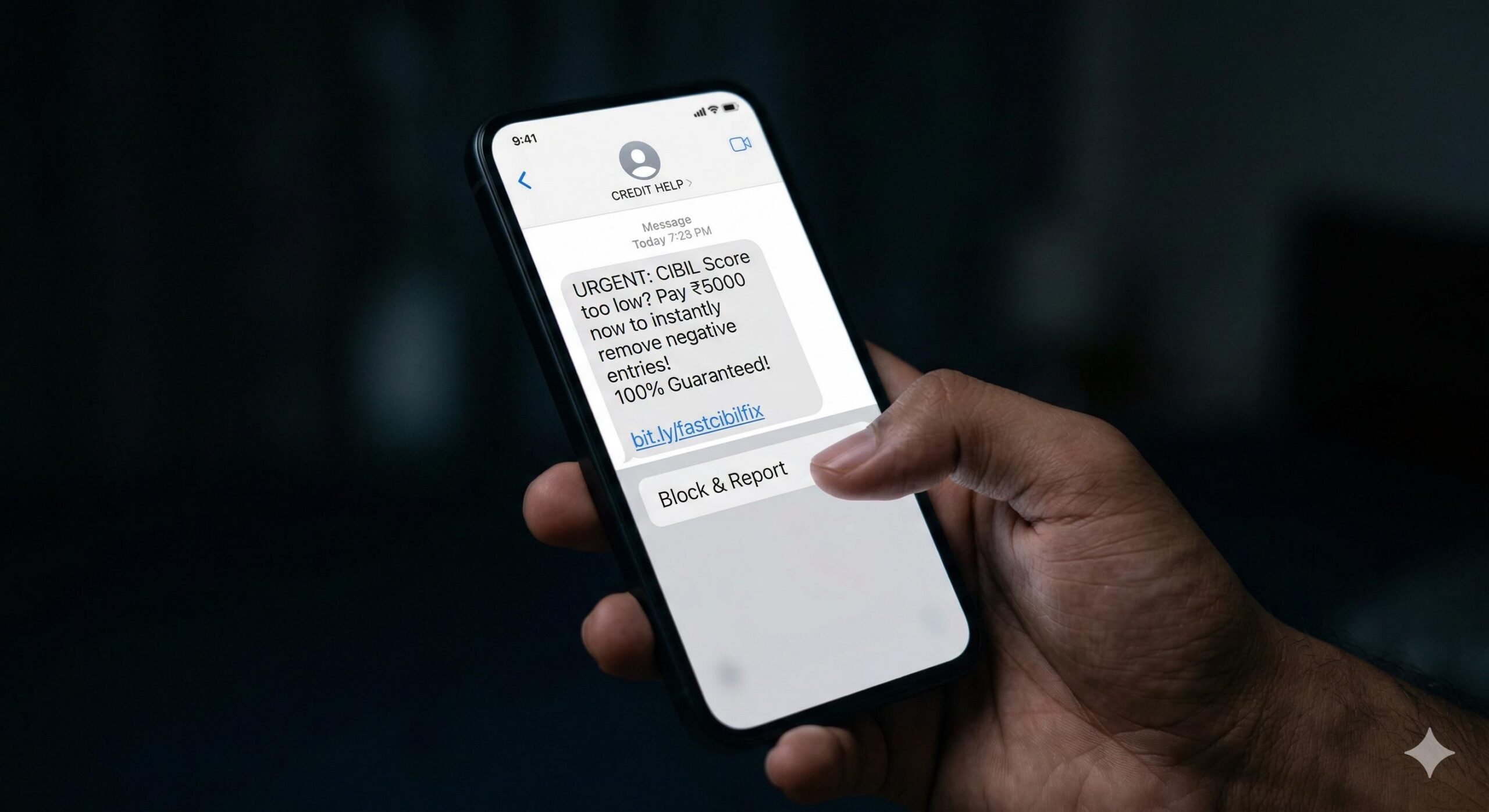
The most common mistake new shopkeepers make is “over-borrowing.” When a bank approves a higher limit than requested, many aspiring business owners accept the full amount, mistakenly viewing it as extra safety money. They forget that every extra rupee borrowed carries an interest burden that the shop must earn back.
Another massive risk is digital fraud during the application process. Scammers heavily target aspiring business owners with fake loan offers via WhatsApp, social media, or SMS. They promise “instant, paperless shop loans within 10 minutes” but will demand an upfront “processing fee” or ask for your sensitive KYC documents, such as your Aadhaar card and PAN card. Furthermore, some borrowers risk using unverified loan apps that illegally harvest phone contacts and gallery data. Sharing these details with fake agents or predatory apps leads to identity theft and severe financial loss before your shop even opens its doors.
There is also the risk of fund diversion. Because a middle-class family’s personal finances and business finances are often intertwined, there is a temptation to use a portion of the shop loan for urgent household expenses, like a medical bill or a family wedding. This is a critical violation of loan terms and a highly risky financial move.
The Severe Financial Impact of Mismanagement
If you fall victim to a digital loan scam or mismanage the borrowed funds, the financial impact extends far beyond just the failure of the business. Unlike personal savings, a loan is a strict liability that must be repaid every single month via EMIs (Equated Monthly Installments).
If the loan money is wasted on expensive, unnecessary shop decorations instead of fast-moving inventory, the shop will not generate enough daily profit to cover the monthly bank payments. When EMIs bounce, your personal CIBIL score crashes. A damaged credit score effectively locks you and your family out of the formal banking system for years, making it impossible to get a home loan, an education loan for your children, or emergency credit in the future.
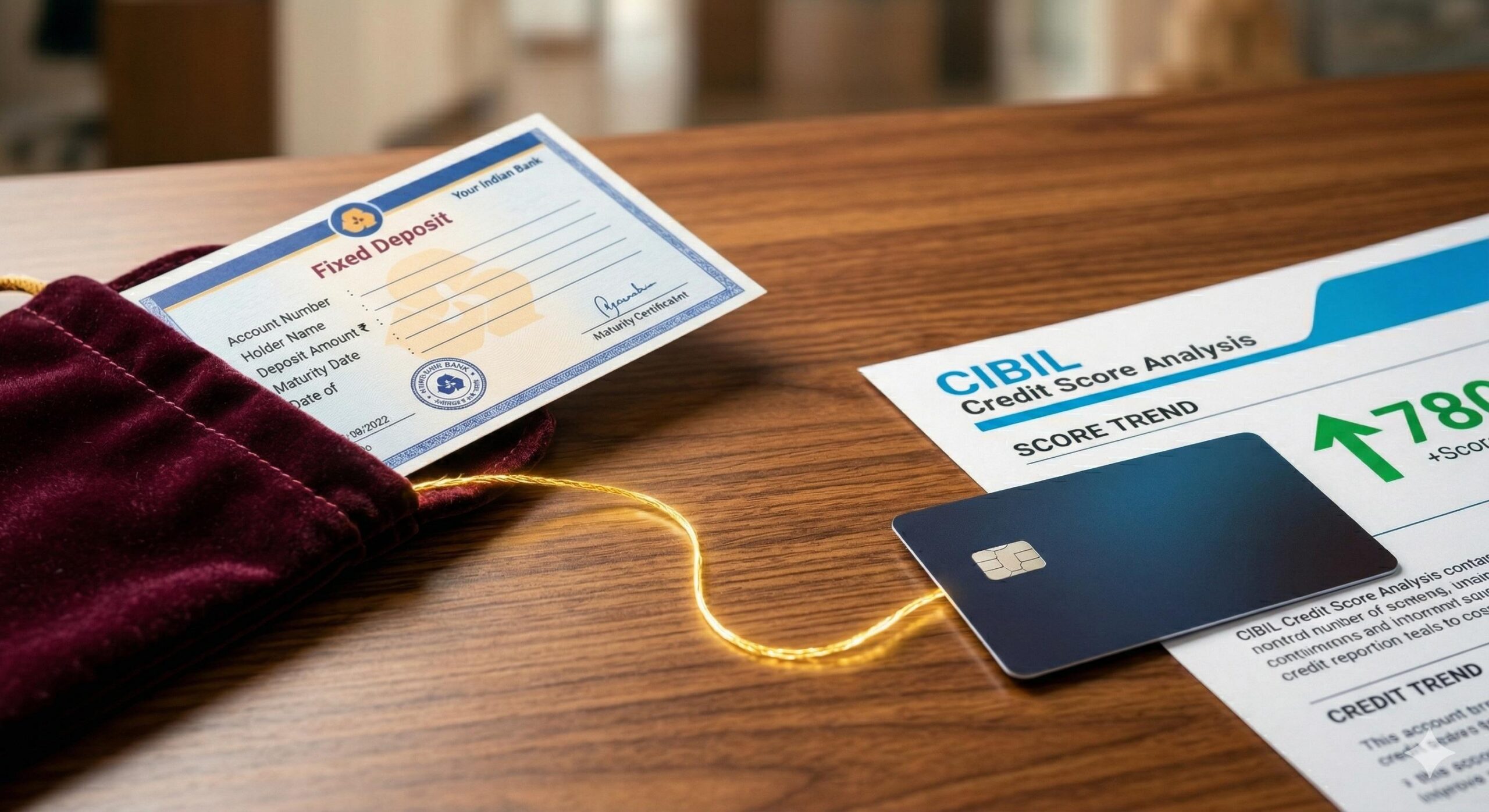
Furthermore, severe mismanagement or engaging with fraudulent financial entities can trigger strict compliance issues with your bank. For example, if you receive loan disbursements from unregistered, suspicious third-party apps, your bank’s security system may flag the transactions. This can cause your bank account to be frozen or put on a strict hold.
If your account is frozen for any reason, and there is no local branch near you to physically visit and resolve the issue quickly, your entire business operation comes to a complete, devastating standstill. You will be unable to pay your wholesale suppliers, you cannot accept digital UPI payments from your customers, and you cannot clear your loan EMIs. This specific scenario pushes families into a severe, paralyzing debt trap that is incredibly difficult to escape.
Prevention Habits for Safe Borrowing
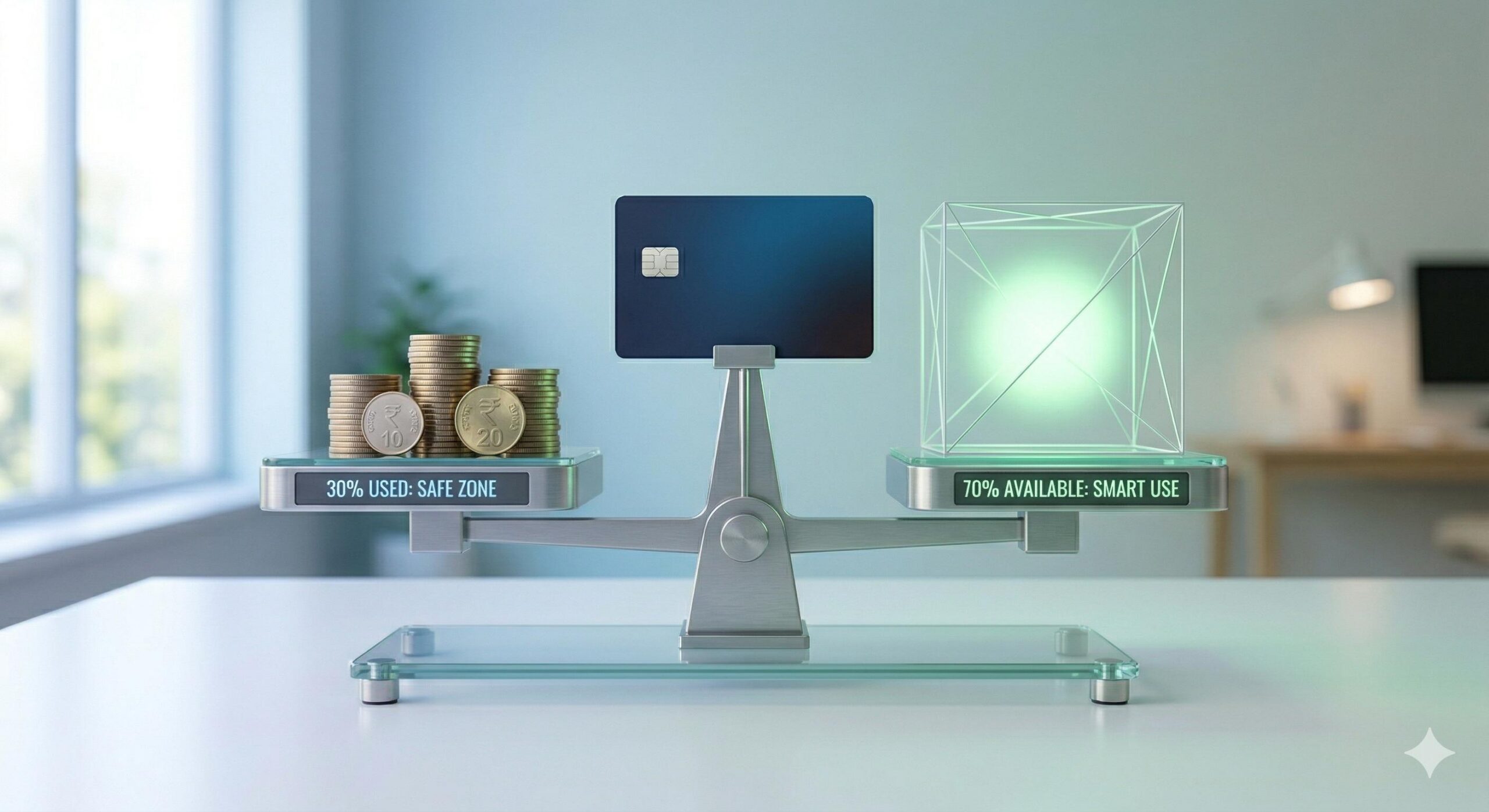
To ensure your MSME loan for new shop brings long-term prosperity instead of stress, you must adopt strict preventive money habits right from the application phase.
1. Verify the Lender: Only deal with recognized public sector banks, established private banks, or officially registered NBFCs. You can verify a lender’s authenticity on the Reserve Bank of India (RBI) official website. Never click on unverified links offering quick business loans, and firmly remember that genuine banks never ask for an upfront “bribe” or advance processing fee via personal UPI transfers to approve a loan.
2. Protect Your Digital Identity: Obtain your official Udyam Registration (the government MSME certificate) directly from the official government portal for free. Never pay a middleman or share your OTPs to get this done. Keep your business bank account details, net banking passwords, and PINs completely secure. Do not share your banking information with wholesale suppliers or vendors who claim they need it for “verification.”
3. Borrow Strictly Against a Budget: Borrow only what your precise business plan dictates. Create a detailed, written estimate of exactly how much money is required for the shop’s rent deposit, interior shelving, initial stock, and basic marketing. If your calculated estimate is ₹3 Lakhs, do not take a loan of ₹5 Lakhs just to have extra cash lying around. Idle loan money is highly dangerous because it sits in your account doing nothing while simultaneously accumulating monthly interest.
Smart Money Behaviors for Long-Term Security
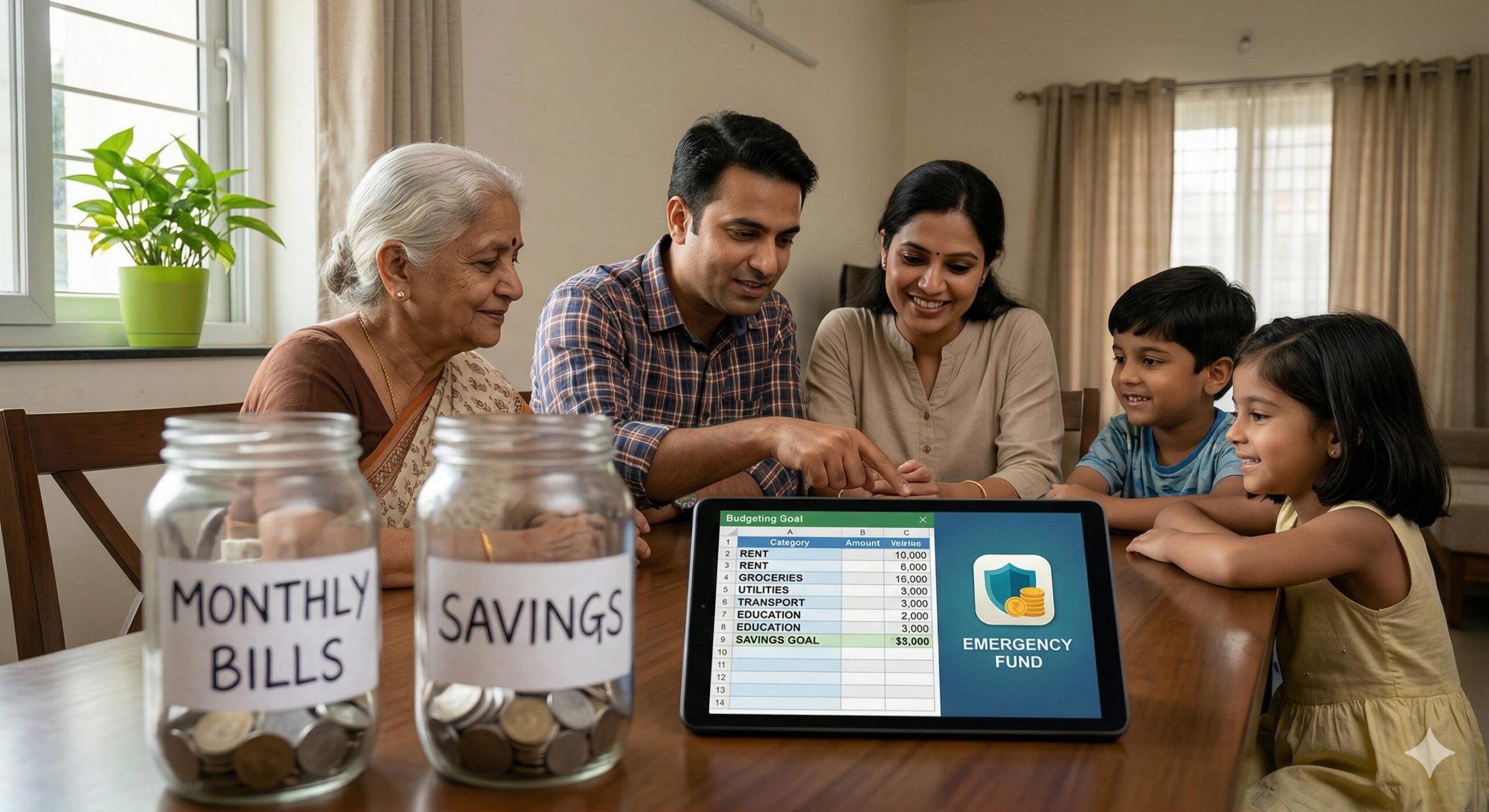
Securing the capital safely is just the beginning of the journey; successfully running a shop requires building long-term smart money behaviors that protect your business and your family’s financial future.
The most crucial smart money behavior is the strict separation of accounts. Your MSME loan for new shop must be deposited into a dedicated business current account, never your family’s everyday savings account. Mixing personal and business money is the fastest way to lose track of your profits. When daily shop revenue comes in, use it to restock your inventory and pay the bank EMI first. Instead of taking cash out of the shop’s cash box for daily household groceries, assign yourself a fixed, modest monthly “salary” from the shop’s profits and transfer only that amount to your personal account.
Additionally, you must build a business emergency fund. Every new shop faces slow months, unexpected market changes, or sudden local disruptions. By setting aside a small, fixed portion of your daily sales into a safe, easily accessible liquid fund, you ensure that you can always pay your loan EMI on time, even if customer foot traffic is unusually low.
This financial discipline does more than just protect your shop from sudden closure. It builds a flawless financial track record with your bank. By treating your borrowed money with respect, staying hyper-aware of digital fraud, and maintaining strict budgeting habits, you pave the way for safer, cheaper credit in the future, ensuring your new shop grows into a secure asset for generations to come.
Frequently Asked Questions (FAQs)
Do I need to pledge property (collateral) to get an MSME loan for a new shop? Not always. The Indian government heavily promotes small businesses through schemes like the Pradhan Mantri Mudra Yojana, which offers collateral-free loans for micro-enterprises up to certain limits (often up to ₹10 Lakhs). However, because there is no collateral, banks will very strictly evaluate your business plan and your personal CIBIL score before approving the loan.
How can I identify a fake loan scam or fraudulent agent? A genuine bank or registered NBFC will never ask you to pay an upfront “advance processing fee” or “bribe” via a personal Google Pay or PhonePe transfer to approve your loan. If an agent on WhatsApp promises a 10-minute guaranteed loan but demands your OTP, Aadhaar details, or an upfront fee, it is a 100% scam. Always apply directly through the official bank branch or their verified website.
Can I use a small part of my shop loan for an urgent personal expense? No. Diverting business loan capital toward personal household expenses (like a medical bill, wedding, or home repair) is highly dangerous and violates your loan terms. If your shop does not have the full capital it needs to buy inventory, it will not generate profit, making it impossible to pay back the bank EMIs. You must keep your shop’s money and family money strictly separate.
What happens if my new shop does not make a profit right away and I miss an EMI? Missing an EMI will immediately trigger penalty charges from your bank and severely drop your CIBIL score. A damaged credit score makes it incredibly difficult for you to secure any future loans, such as an education loan for your children or an emergency medical loan. This is why it is vital to borrow strictly according to a budget and save a small emergency fund specifically for the business to cover slow months.
Do I need an MSME certificate to apply? Yes, having an MSME registration (now called Udyam Registration) makes the process much smoother and qualifies you for subsidized government interest rates. You can register for the Udyam certificate completely free of cost on the official government portal. Never pay a private middleman online to get this free certificate for you.
P2P Lending for Low CIBIL: A Safe Borrowing Guide
Conclusion
Securing an MSME loan for new shop is a massive stepping stone that can successfully turn your business dreams into a profitable reality. However, the true test of a successful business owner is not just getting the loan, but managing the borrowed capital with strict financial discipline. A business loan is a heavy responsibility that requires a clear budget and an absolute separation between your shop’s cash register and your personal household savings.
By staying highly vigilant against fake digital loan agents, protecting your banking data, and actively building an emergency fund for your business, you protect your entire family from the devastation of a debt trap. Remember, smart money habits are the true foundation of any lasting business. Treat your borrowed capital with deep respect, pay your EMIs on time to build a strong CIBIL score, and watch your new shop grow into a secure, generational asset for your family.