
Introduction
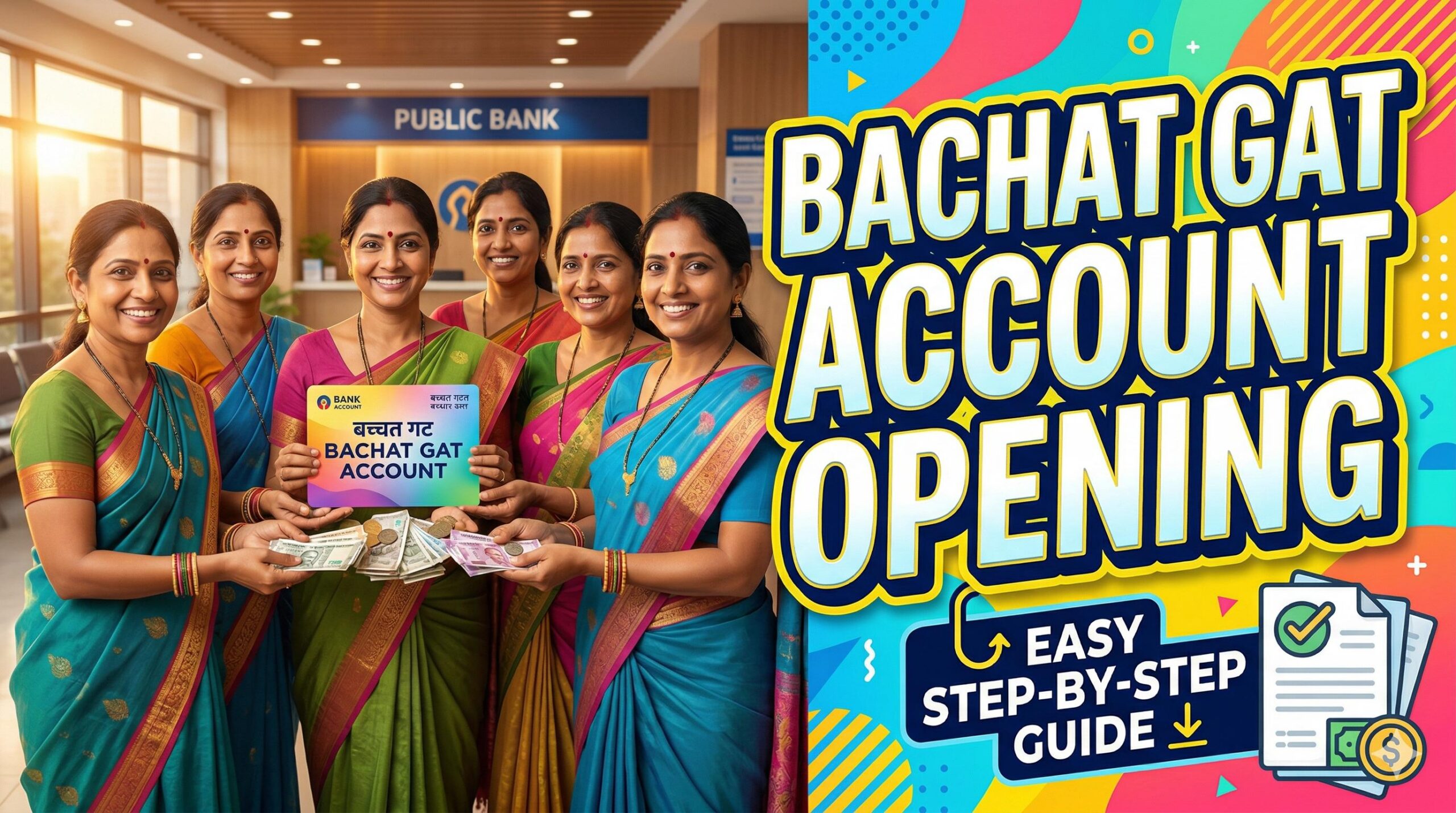
Managing money together is a powerful way for Indian middle-class families, women, and communities to build financial stability. A Bachat Gat account opening is the essential first step in this journey. In simple terms, a Bachat Gat (Self-Help Group or SHG) is a small group of people who save money regularly, and opening an account means legally registering this pooled money with a bank. This process requires the group to pass a resolution and appoint authorized leaders—usually a President, Secretary, and Treasurer—to manage the funds jointly.
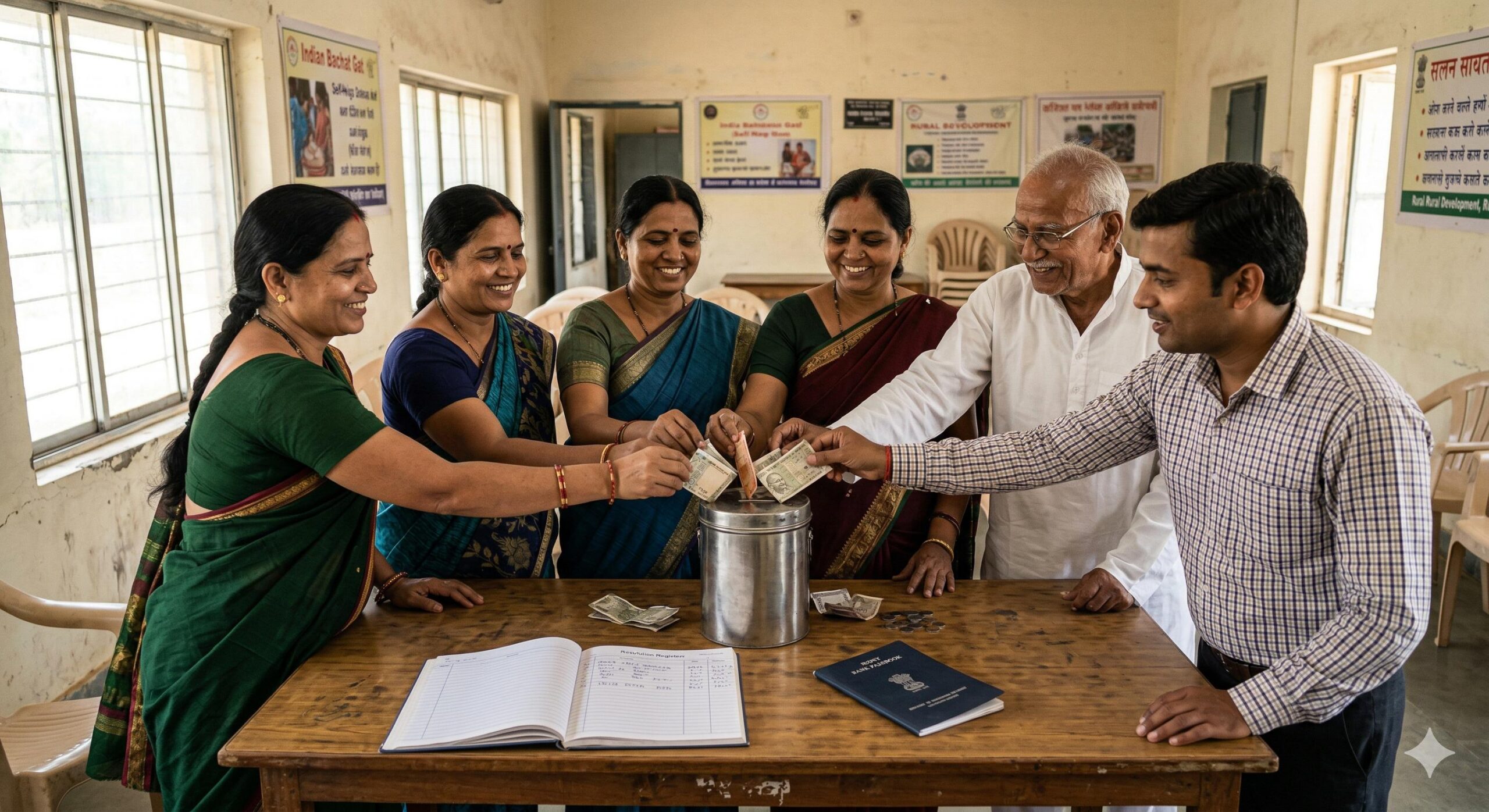
While completing a Bachat Gat account opening is a proud moment that connects families to the formal banking system, it also brings a huge responsibility. Because you are managing community money, learning strict financial safety habits is crucial to protect your group from mismanagement, cash theft, and digital fraud.
Table of Contents
Understanding Bachat Gat Account Opening
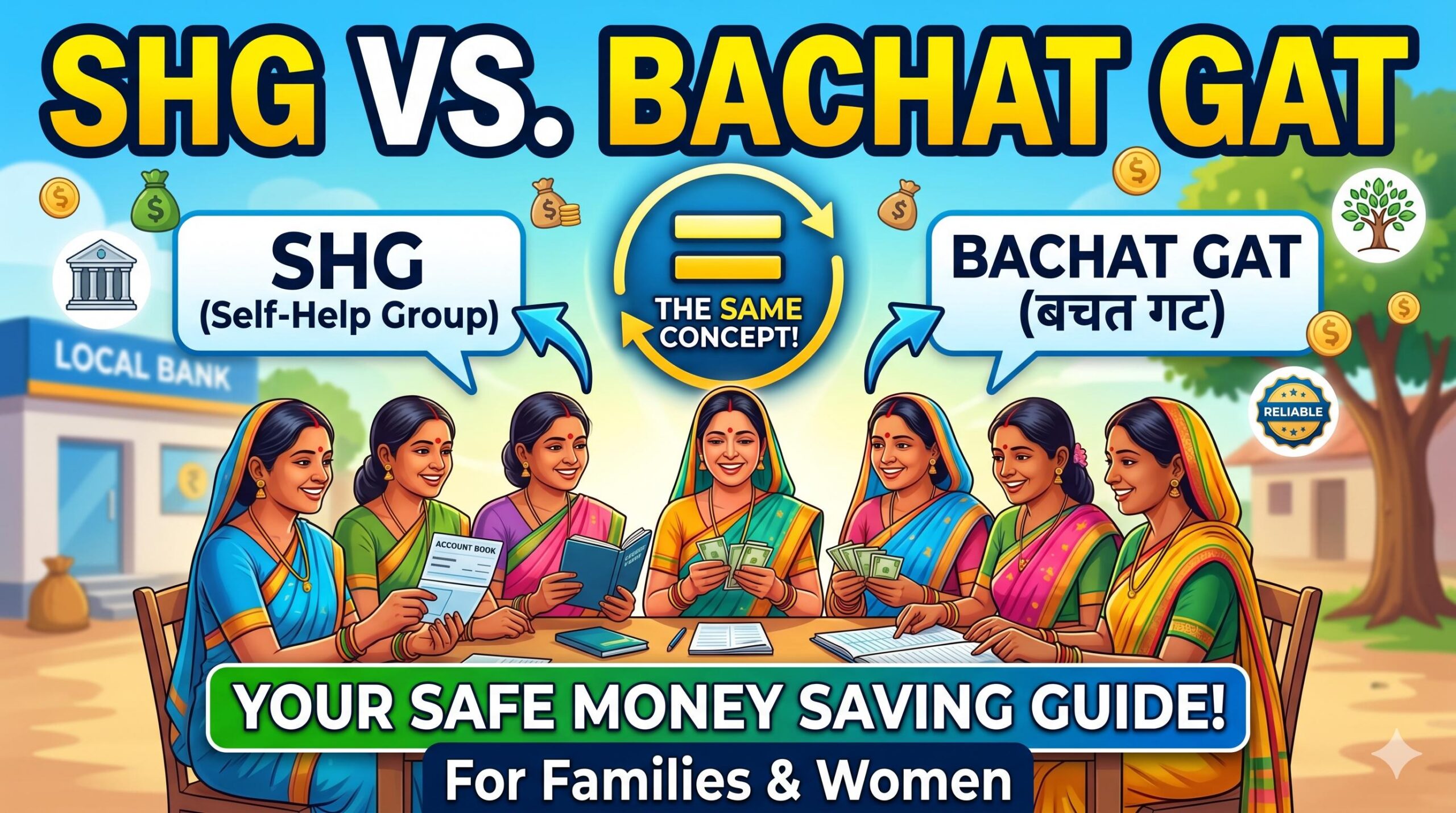
A Bachat Gat, commonly known as a Self-Help Group (SHG), is a small community of individuals who come together to save money regularly. Bachat Gat account opening is the essential process where this group opens a formal joint bank account to securely deposit their pooled savings.
To initiate this, the group must operate actively for a few months, maintain proper registers, pass a written resolution, and select authorized members—usually a President, Secretary, and Treasurer—to operate the bank account. Completing a Bachat Gat account opening is a proud moment for many Indian middle-class families, as it connects them directly to the formal banking system.
However, because you are dealing with pooled community money, it requires absolute financial awareness, transparency, and strict safety habits to protect everyone’s hard-earned funds from mismanagement or fraud.
The Basic Steps of the Process
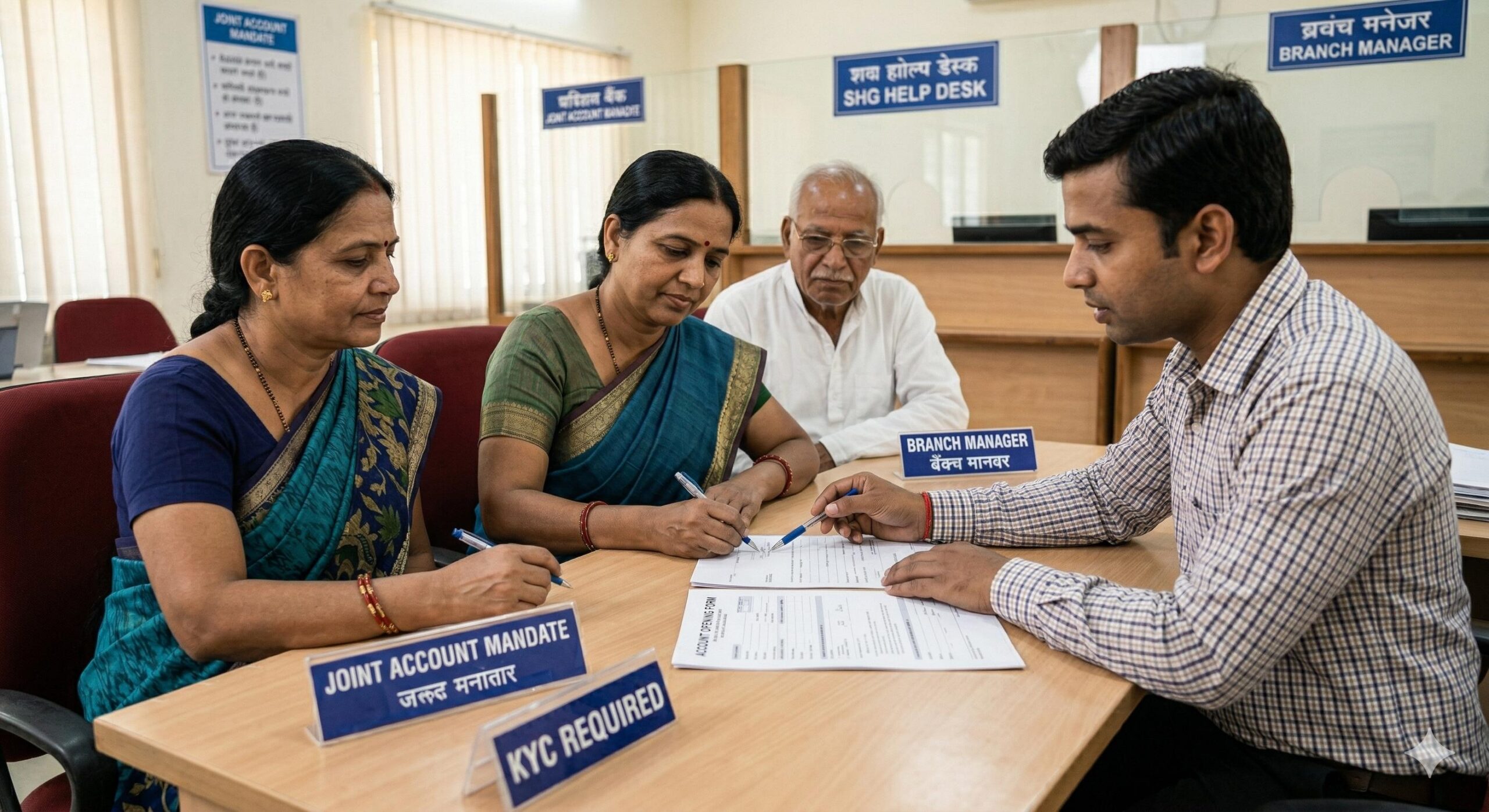
Before jumping into the financial safety aspects, it is helpful to know how the actual banking process works. When a group decides to keep their money in a bank rather than a cash box, they take a big step toward financial security.
The authorized leaders must visit a nearby public or cooperative bank with the group’s official resolution book, which clearly states the decision to open an account. The bank will ask for the KYC (Know Your Customer) documents of the authorized signatories, including their Aadhaar cards, PAN cards, and passport-sized photographs. The bank mandates that the account be operated jointly. This means no single person can withdraw money on their own; it requires the signatures of at least two authorized leaders. This structural rule is the bank’s first layer of fraud prevention for group savings.
Hidden Risks in Managing Group Savings
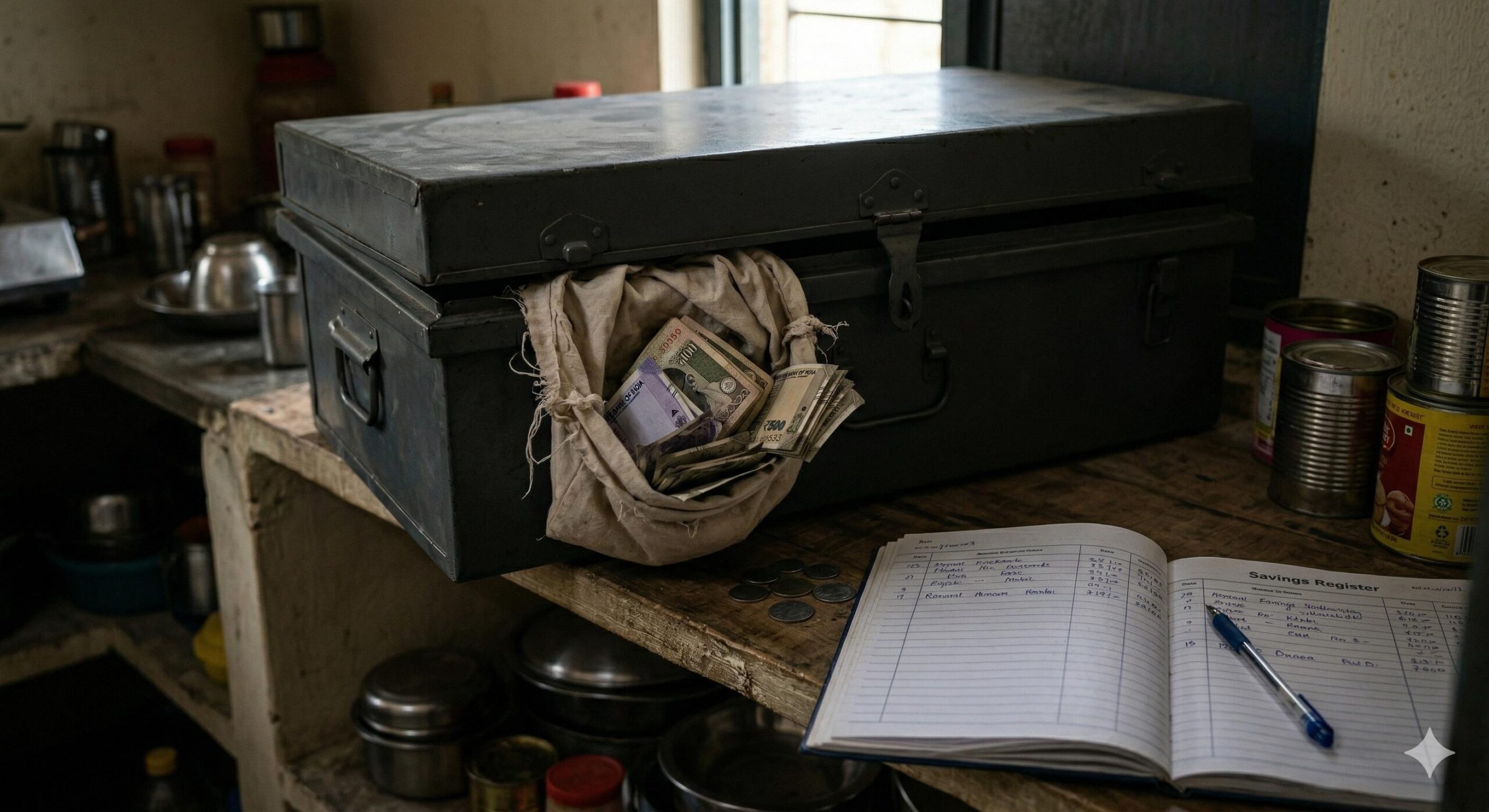
While the bank provides a secure vault, the human element of managing a Bachat Gat carries distinct risks. Whenever multiple people contribute to a single fund, the danger of miscommunication and mismanagement arises.
One major risk is the mishandling of physical cash. Members usually contribute their savings during a weekly or monthly meeting. If the collected cash is kept at an authorized member’s home for too long before being deposited into the bank, it is vulnerable to theft, loss, or personal misuse.
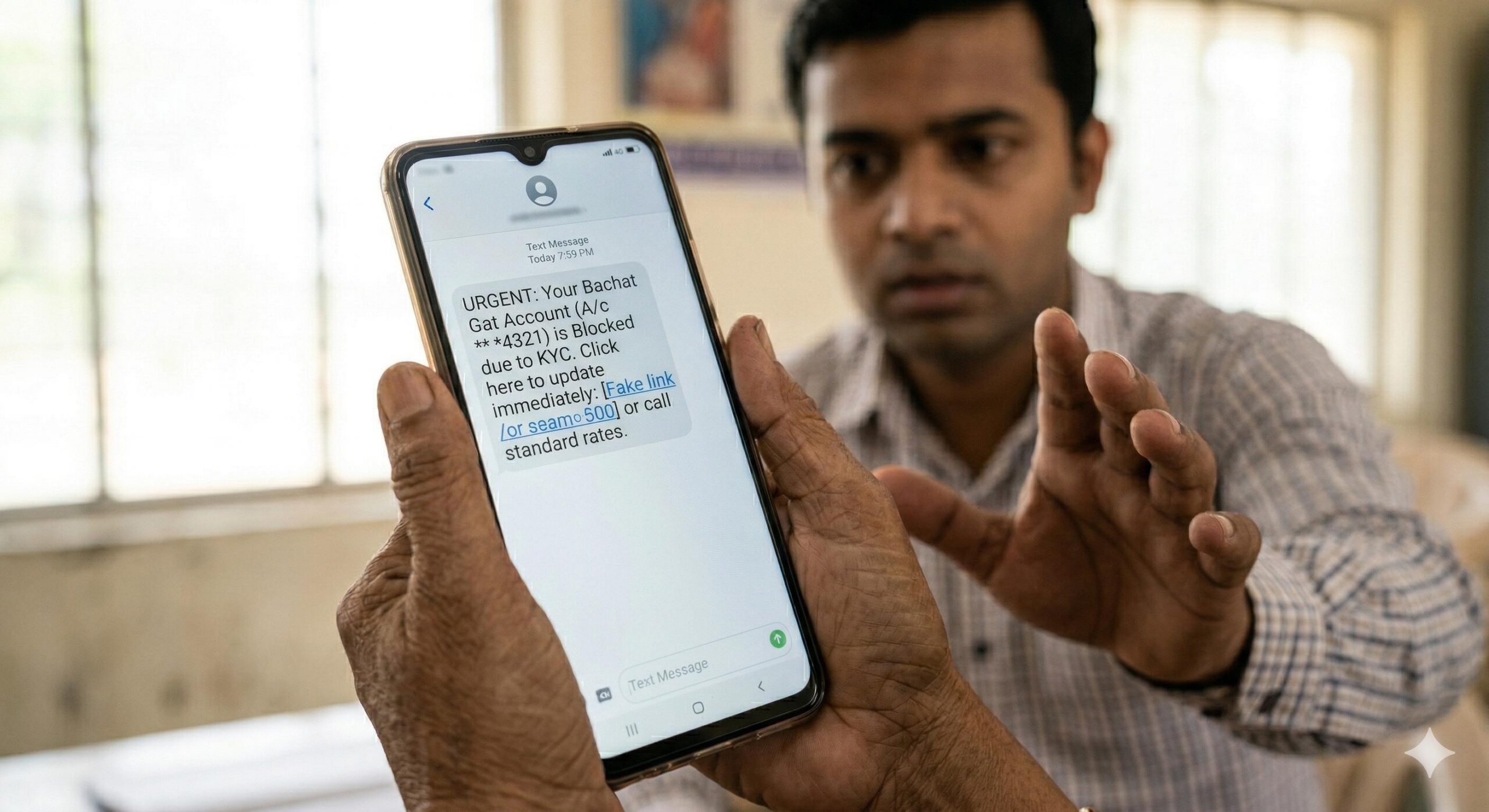
Another significant risk involves digital fraud. With the rise of digital banking in India, many group accounts are linked to a single mobile number. Scammers often target rural and middle-class populations with fake SMS alerts, fraudulent loan offers, or phishing calls pretending to be bank officials. If the person holding the registered mobile number lacks financial awareness, they might accidentally share an OTP (One-Time Password) or a PIN, putting the entire group’s savings in danger.
The Financial Impact of Mismanagement
If the safety of the group fund is compromised, the financial impact can be devastating for the members involved. For many salaried employees, daily wage earners, or homemakers, the money contributed to a Bachat Gat represents their emergency safety net.
A loss of these funds due to internal fraud or external cybercrime means that families might not have the money they need for urgent medical bills, children’s education, or basic household repairs. Furthermore, mismanagement destroys the trust within the community. Once a Bachat Gat faces a financial dispute or a major loss of funds, the group usually collapses.
Additionally, banks monitor the health and transaction history of these accounts. If an account shows suspicious activity, frequent bounced cheques, or poor record-keeping, the bank will flag it. This negatively impacts the group’s financial reputation, completely blocking them from receiving future financial support, subsidized government schemes, or emergency group credit.
Preventive Habits for Safe Group Banking
To ensure that the Bachat Gat account opening leads to success rather than stress, every group must adopt strict preventive money habits. Protecting the group’s wealth is everyone’s responsibility, not just the leaders’.
First, enforce a strict cash deposit rule. The money collected during a meeting must be deposited into the bank account on the very next working day. Never allow large sums of cash to sit in someone’s house.
Second, utilize the dual-signature mandate properly. Authorized signatories should never sign a blank cheque. Every withdrawal must be discussed and approved by the group during a formal meeting, and the cheque should only be signed when the exact amount and the payee’s name are fully written out.
Third, guard your banking data fiercely. The mobile number linked to the bank account should belong to a trustworthy member who understands the dangers of digital fraud. Educate the entire group that the bank will never call to ask for an OTP, ATM PIN, or password. If anyone receives a suspicious call offering a sudden scheme or asking for account verification, they must disconnect immediately and report it to the local bank branch manager.
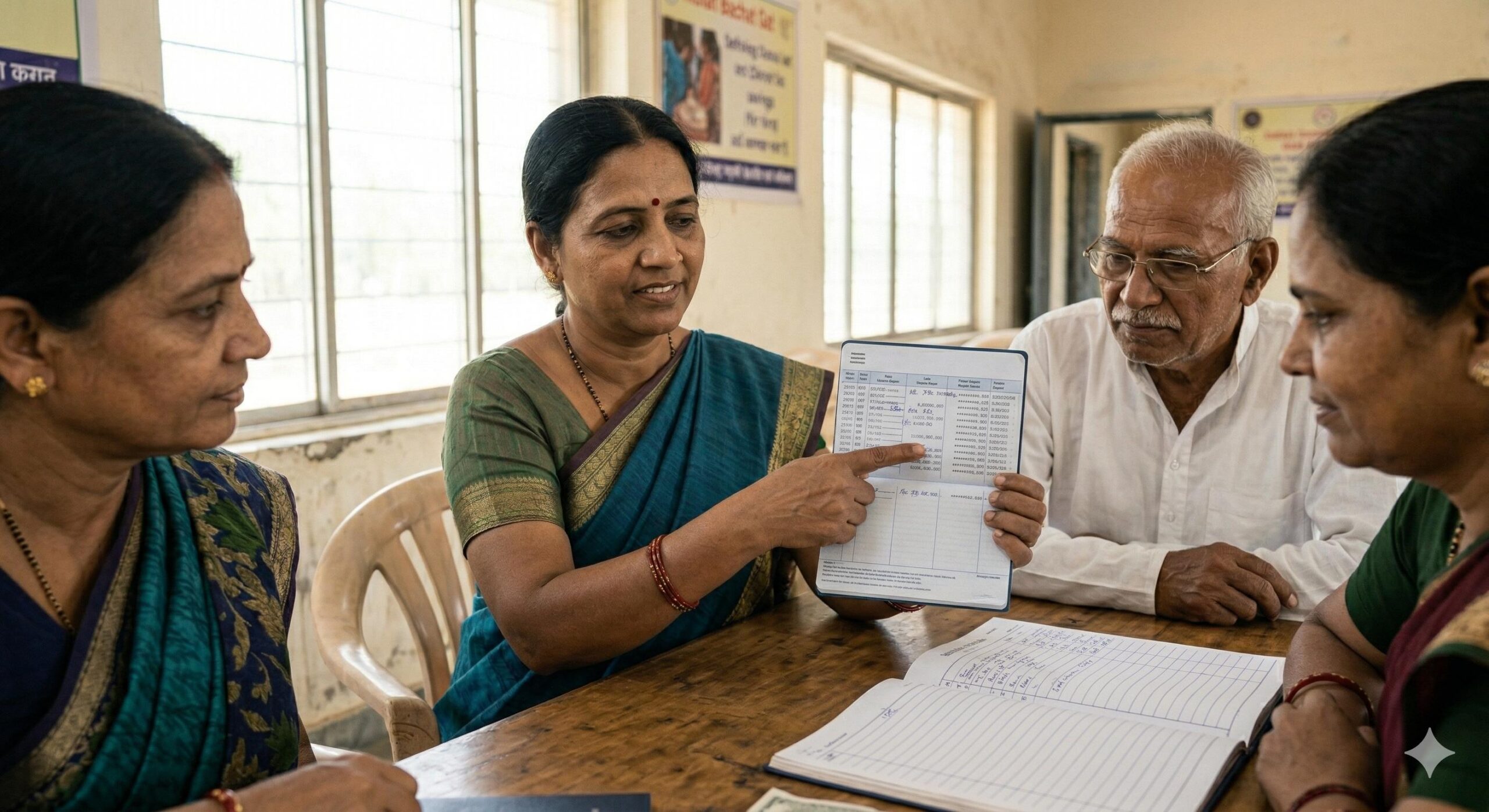
Finally, insist on passbook transparency. The bank passbook should be updated regularly—ideally right after every deposit or withdrawal. During the group’s monthly meetings, the updated passbook should be read aloud or passed around so that every member can verify that their contributions are safely resting in the bank.
Smart Money Behaviors for Every Member
Opening the account is just the beginning of a larger financial journey. A well-run Bachat Gat is essentially a practical classroom for personal finance. Members should use this opportunity to build broader smart money behaviors that they can apply to their own households.
Active participation is the most important behavior. Members should not just hand over their monthly contribution and walk away; they must attend meetings, ask questions, and understand how interest is calculated. If you do not understand a financial entry in the group’s register, ask for a simple explanation.
Budgeting is another crucial skill. By committing to a fixed monthly saving for the group, members learn the discipline of setting aside money before spending on non-essential items. This habit of “paying yourself first” is a cornerstone of wealth protection and financial stability.
Furthermore, use the group as a shield against bad financial decisions. If a member is facing a financial crisis, they can often rely on the transparent, low-cost support of the group rather than falling into the trap of high-interest predatory loan apps or unregistered moneylenders.
Microfinance for Women: A Complete Guide to Safe Borrowing and Financial Protection
Conclusion
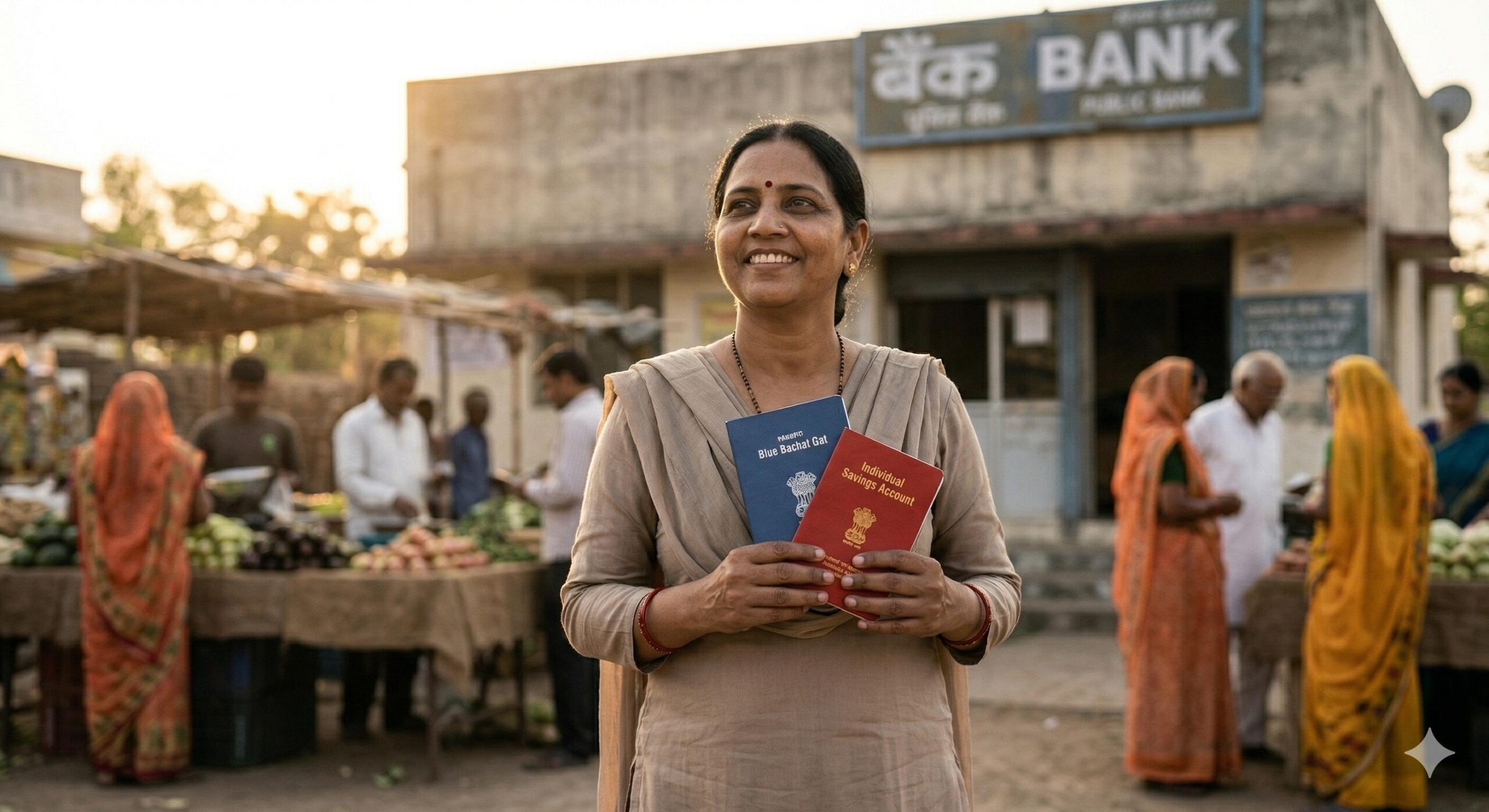
A successful Bachat Gat account opening is a powerful tool for financial empowerment in India. It brings middle-class families and communities together, transforming small, scattered savings into a strong, unified financial shield. However, that shield is only as strong as the habits of the people holding it. By understanding the risks of pooled money, enforcing transparent record-keeping, protecting digital banking details, and actively participating in every financial decision, members can ensure their money remains safe. Building these smart money habits not only protects the group’s bank account but also spreads vital financial awareness to every household involved.